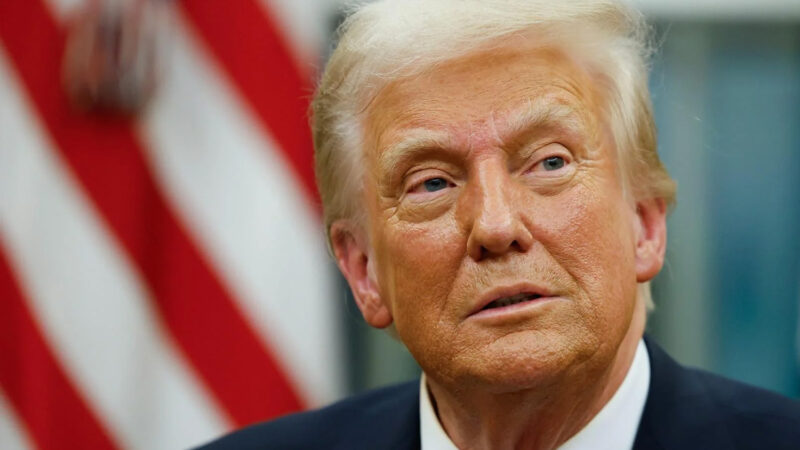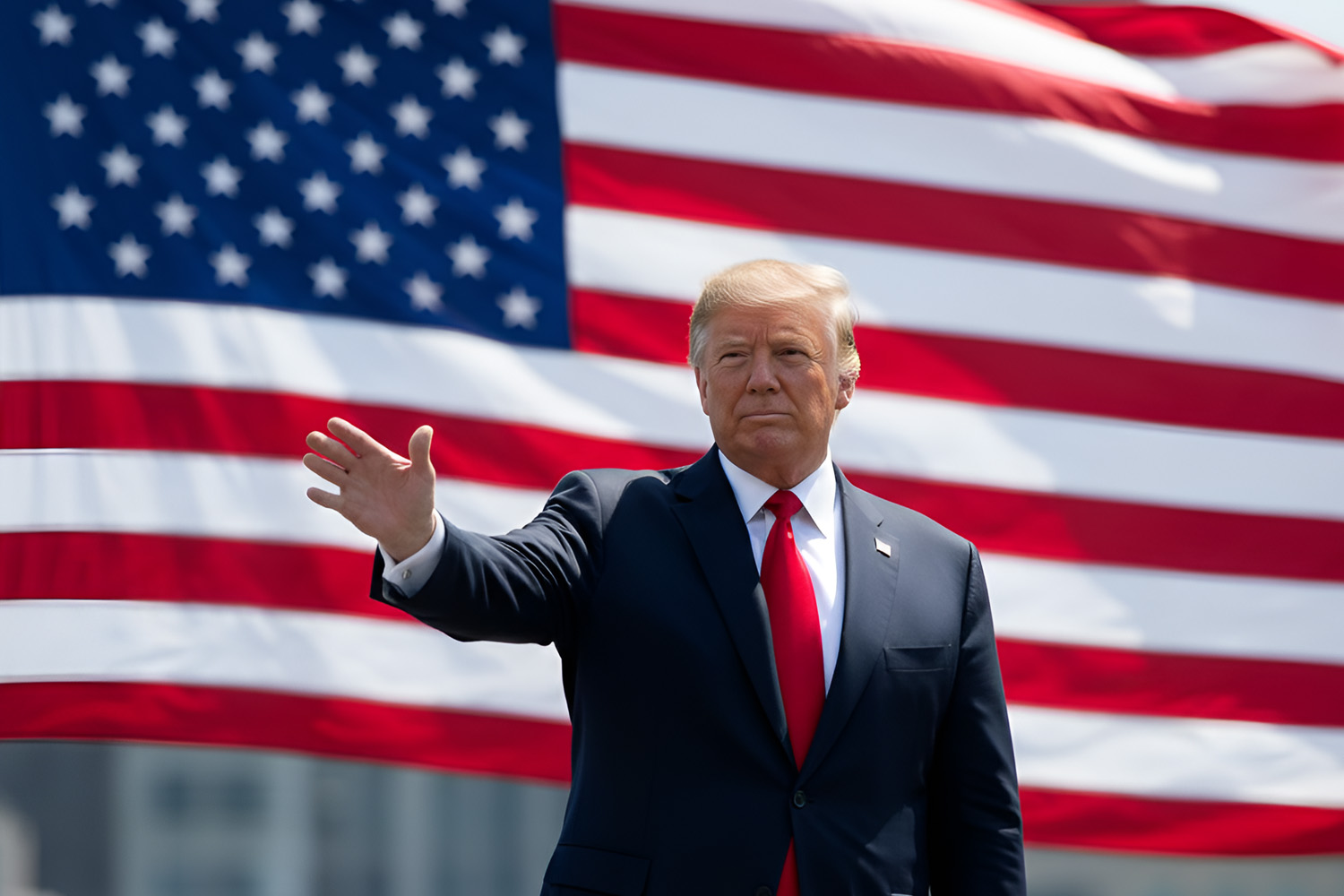
Updated January 7, 2026 — The White House has confirmed that U.S. President Donald Trump and his advisers are reviewing a “range of options” to acquire Greenland, including the potential use of U.S. military force. Press Secretary Karoline Leavitt stated that using the military “is always an option” at the commander-in-chief’s disposal as part of broader strategic planning.
Greenland is a self-governing territory of the Kingdom of Denmark with significant strategic importance in the Arctic region due to its geographic position, mineral resources, and existing U.S. military facilities such as the Pituffik Space Base. Trump and his team characterize a potential acquisition as a national security priority aimed at countering the influence of Russia and China.
What the White House Says
In the statement, Leavitt emphasized:
- The administration is evaluating all possible avenues for pursuing control over Greenland.
- Military action “is always an option” but is part of a broader set of considerations.
- Trump’s advisors say this strategy responds to perceived geopolitical competition in the Arctic.
The White House has not outlined specific military plans or timelines, and officials such as Secretary of State Marco Rubio and others in Congress have signaled a preference for diplomatic negotiations or peaceful arrangements.
International Reaction and Pushback
The response from global leaders has been swift and unified:
- Denmark and Greenland’s governments have rejected any notion of Greenland being for sale or subject to forced acquisition, affirming that decisions about the territory’s future belong solely to its people and to Denmark.
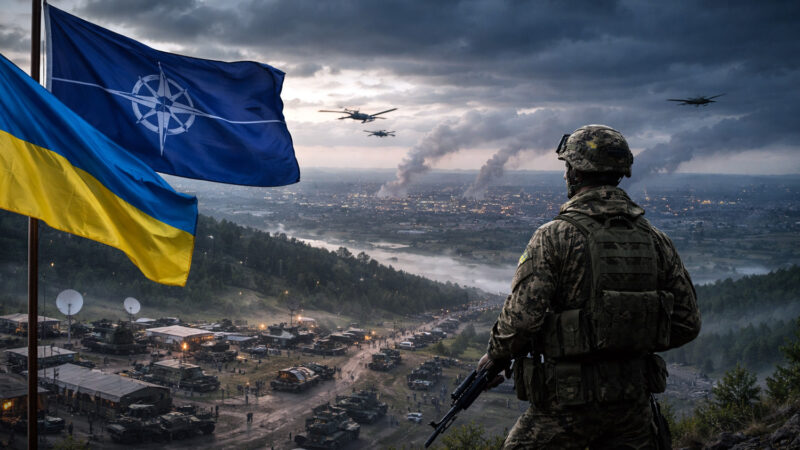
- European leaders from France, Britain, Germany, Italy, Poland, Spain and others issued a joint statement reinforcing Greenland’s sovereignty and criticizing rhetoric that could undermine NATO’s integrity.
- NATO allies have voiced concern that threats of military action against a territory associated with a fellow alliance member risk damaging long-standing security partnerships.
Both Danish Prime Minister Mette Frederiksen and Greenlandic officials have called for diplomatic dialogue and respect for international law.
Political and Geopolitical Context
This development revives a controversial idea Trump previously floated during his first term in office: purchasing Greenland from Denmark, a proposal that was rejected at the time. The renewed push comes against the backdrop of heightened U.S. military activity abroad, including a recent operation in Venezuela that captured that country’s president.
Critics argue that even the suggestion of military intervention in Greenland could strain U.S. relations with NATO allies and erode diplomatic norms. Supporters within Trump’s circle justify the strategy by pointing to Arctic security challenges posed by China and Russia.
Outlook
As of early January 2026, the situation remains fluid:
- No formal military deployment has been announced.
- Diplomacy and negotiations are still widely discussed as preferred approaches.
- The controversy continues to draw international attention, highlighting the geopolitical significance of the Arctic region and the sensitive nature of territorial sovereignty.
This story is developing and may evolve as more official statements and decisions emerge.