What Came Out of Saudi Crown Prince’s 2025 U.S. Visit — A Strategic Reset
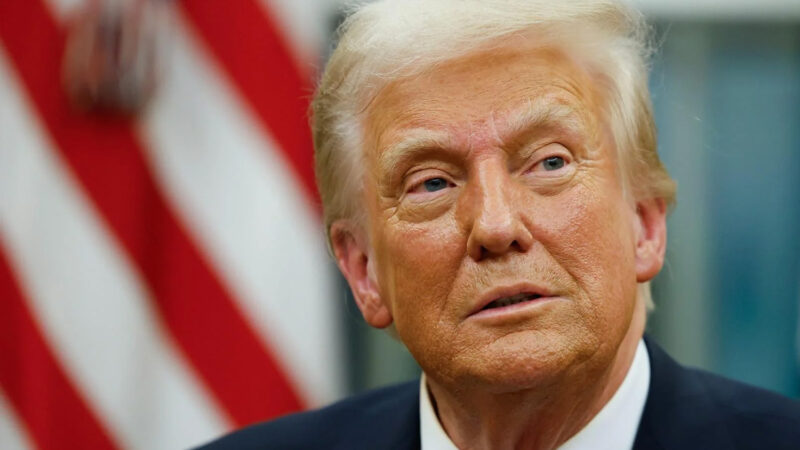
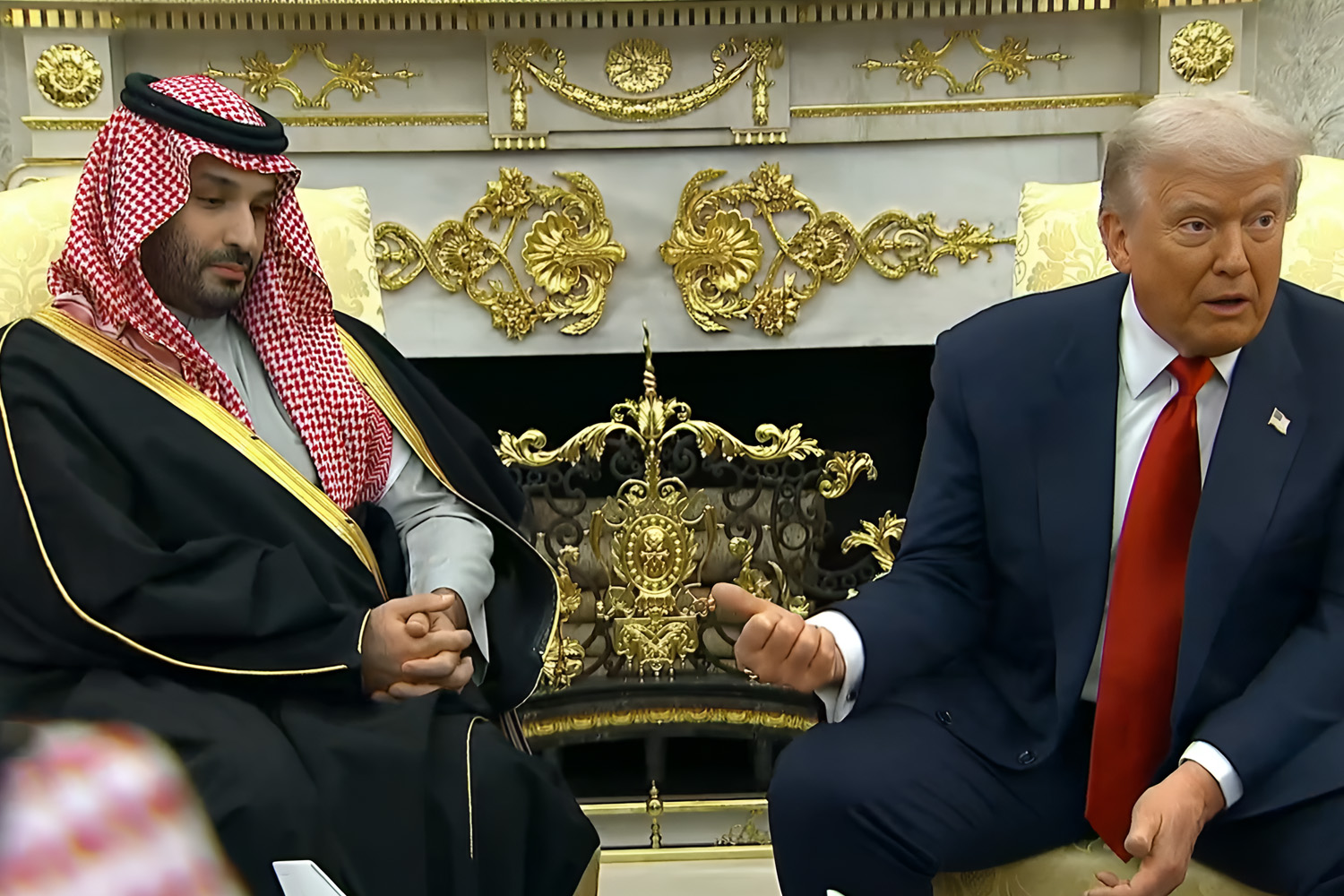
Saudi Crown Prince Mohammed bin Salman‘s high-profile visit to the United States in November 2025, hosted by President Donald Trump, resulted in a sweeping set of agreements that deepen military, economic, and technological ties — marking what many see as a strategic reset in U.S.-Saudi relations.
1. Major Non-NATO Ally Status
- Trump formally designated Saudi Arabia a “major non-NATO ally”, raising the kingdom’s defense relationship with the U.S. to a new level.
- This status allows Saudi Arabia enhanced access to U.S. military equipment and logistical support, though it does not guarantee the same mutual defense obligations as NATO.
2. Historic Strategic Defense Agreement
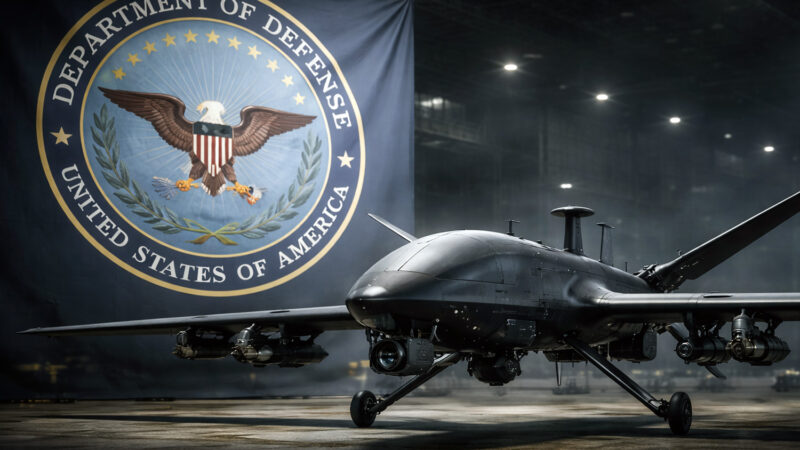
- During the visit, both sides signed what the White House called a “historic strategic defense agreement,” aimed at strengthening deterrence in the Middle East and reinforcing the long-standing U.S.-Saudi security partnership.
- Part of this package includes broad cooperation to keep U.S. defense firms deeply integrated in Saudi military modernization.
3. F-35 Jets and Abrams Tanks Deal
- Trump confirmed the U.S. would sell Saudi Arabia F-35 stealth fighter jets, a highly consequential shift: Riyadh could become the first Middle Eastern country after Israel to field them.
- In addition, Saudi Arabia agreed to acquire nearly 300 U.S.-made Abrams tanks, as part of the broader military cooperation arrangement.
4. Massive Economic & Investment Commitments
- The Crown Prince pledged an increase in Saudi investment in the U.S. from $600 billion to $1 trillion, according to Trump.
- These funds, which are expected to flow through key Saudi investment vehicles, are to be directed toward U.S. sectors such as defense, artificial intelligence, critical minerals, and infrastructure.
5. Civil Nuclear & Technology Deals
- Beyond military commitments, the U.S. and Saudi Arabia also agreed to deepen civil nuclear cooperation, laying groundwork for long-term energy partnerships.
- They signed a high-tech cooperation deal: Riyadh will gain access to advanced U.S. artificial intelligence systems and AI chip technology through a new bilateral framework.
Analysis — Who Gained the Most?
- Saudi Arabia appears to be the biggest winner. The F-35 deal and non-NATO designation vastly improve its ability to project military power, while the $1 trillion investment pledge signals major economic leverage.
- The U.S. gains economically and strategically, reinforcing defense exports and forging deeper ties with a key Middle Eastern power — but critics warn about the risk of advanced military technology being misused.
- The agreements could reshape the regional balance of power, especially with Saudi Arabia gaining access to cutting-edge U.S. weapons systems and enhanced military status.
- However, skepticism remains: some analysts question how much of the $1 trillion pledge will materialize, noting a lack of detailed timeline and execution plan.
- There are also geopolitical risks, particularly regarding Israel’s long-held “qualitative military edge” and concerns over technology being transferred or leaked — particularly to adversarial nations.