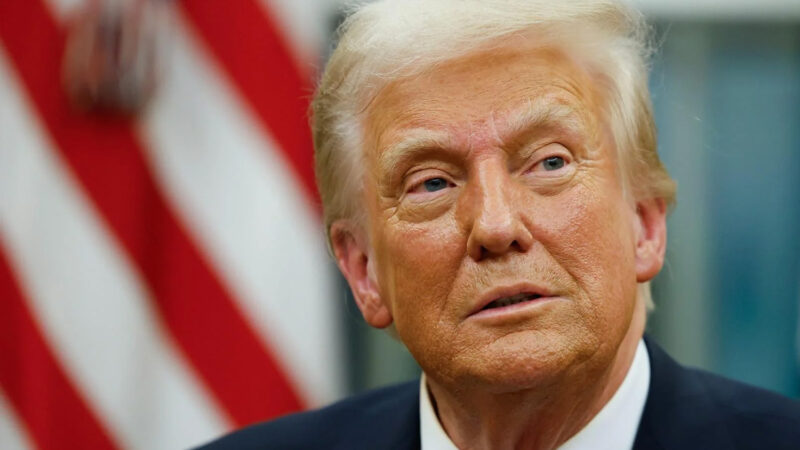
In a dramatic reversal, U.S. President Donald Trump announced on January 21, 2026, that he will no longer impose 10 % tariffs on eight European nations that had been threatened over their opposition to U.S. demands involving Greenland. The decision came after Trump said he and NATO Secretary General Mark Rutte agreed on a “framework of a future deal” related to Greenland and broader Arctic cooperation during meetings at the World Economic Forum in Davos, Switzerland.
Trump had previously said in a social media post that he would begin imposing 10 % tariffs from February 1, 2026, on Denmark, Norway, Sweden, France, Germany, the United Kingdom, the Netherlands, and Finland because those countries participated in NATO military activities around Greenland and resisted U.S. attempts to push for control over the territory. He also warned that the tariff rate could rise to 25 % from June 1 if no agreement was reached.
However, after what he described as productive talks with Rutte, Trump said he would pause those tariff plans, calling the diplomatic engagement a positive step toward securing U.S. and allied interests in the Arctic region. He wrote on his platform that a deal framework had been formed that benefits both the U.S. and its NATO partners, with further details to follow as negotiations progress.
What Trump’s Tariff Reversal Means
Trump’s threat to impose tariffs strained relations with long-standing U.S. allies. European leaders had condemned the plan, calling the tariff threats a form of coercion that could undermine NATO unity and hurt broader trade cooperation. The European Parliament even paused work on a U.S.–EU trade agreement that was under negotiation last year, citing concerns over sovereignty and economic fairness amid the tariff row.
By backing away from the tariff threat, Trump eased some of that tension, although many European officials emphasized that sovereignty over Greenland — a semi-autonomous territory of Denmark — remains non-negotiable. Denmark’s leadership, along with Greenlandic officials, reiterated that any decisions affecting the island’s future must involve Denmark and Greenland directly.
The announcement also helped calm financial markets, which had reacted to the initial tariff threats with increased volatility. Stocks rose following news of the tariff pause, reflecting relief that a broader transatlantic trade conflict might be avoided.
Background: Why Greenland Matters
Greenland has strategic importance due to its location in the Arctic, potential natural resource reserves, and role in global military and security planning. Trump has argued the United States needs greater influence and presence in the region amid concerns about Russia’s and China’s expanding activity in the Arctic.
European nations have deployed troops and planning staff to Greenland as part of Operation Arctic Endurance, a NATO-led exercise intended to reassure Denmark and counter any threat of unilateral action by other powers. This military presence was one of the triggers for Trump’s initial tariff announcement, which he linked to what he described as European resistance to negotiations over the island.
Despite Trump’s rhetoric about acquiring Greenland for the United States, European leaders have repeatedly stated the island is not for sale. Danish officials have made clear that Greenland’s sovereign status under the Kingdom of Denmark will not be compromised.
What Happens Next
Details of the “framework” Trump referenced remain vague. While Trump framed the agreement as beneficial for U.S. and allied security interests, and discussions are expected to continue on topics like missile defense cooperation, specifics about governance or control of Greenland have not been disclosed.
With the tariff threat withdrawn, U.S.–European relations may stabilize in the short term, but the underlying disagreements over trade, security, and Arctic strategy suggest that diplomacy and negotiation will continue to shape the relationship in 2026 and beyond.