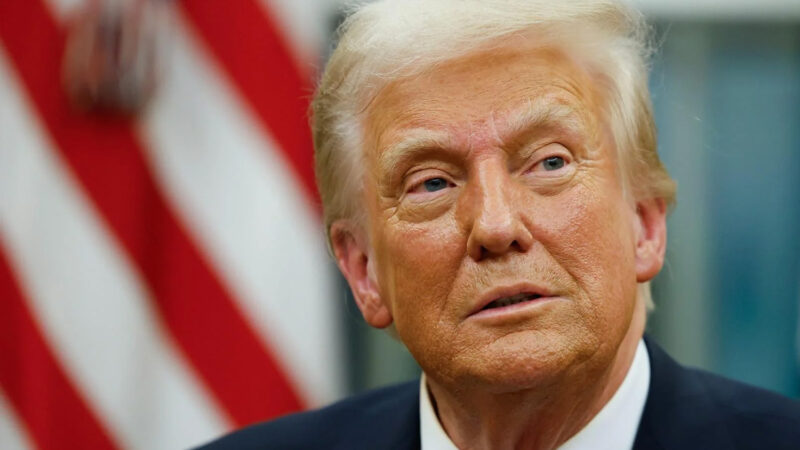
The trade war that defined much of former President Donald Trump’s economic agenda is now headed for one of its most critical chapters yet. At issue is the legality of the sweeping tariffs imposed by the Trump Administration—tariffs that small businesses and states argue were implemented without proper Congressional authority.
The Legal Challenge
A coalition of small companies and state governments contend that many of the tariffs introduced in April 2025—known as the “Liberation Day” tariffs—were imposed under the International Emergency Economic Powers Act (IEEPA) but lack legal standing. The plaintiffs argue that the IEEPA does not grant the president the authority to levy broad import taxes, and that without Congressional debate or approval, the tariffs are effectively unlawful.
One case, Learning Resources Inc. v. Trump, brought by a Chicago-area toy manufacturer, showcases the potential real-world impact: the business says it now faces millions in extra costs and legal bills because of the tariffs.
What’s at Stake
If the Supreme Court rules that the tariffs are invalid:
- The Trump Administration’s trade strategy could be significantly weakened, since those tariffs formed a central plank of its global economic posture.
- The United States may be required to refund a substantial portion of the billions of dollars of duties already collected from importers.
- Future Presidents may find their unilateral imposition of massive tariffs without Congressional consent curtailed, reshaping the balance of trade-policy power in Washington.
Administration’s Position & Industry Impact
The Trump Administration maintains that the tariffs are legitimate and justified by national-emergency claims such as the U.S. trade deficit and drug trafficking. However, challengers argue that these are not “unusual and extraordinary threats” as required under the IEEPA.
Small businesses say they are disproportionately affected because they lack the leverage of larger corporations: while large firms can anticipate or absorb tariff shocks, smaller importers have fewer buffers and less ability to negotiate or adjust supply chains.
What to Watch
- How the Supreme Court interprets the scope of presidential power under the IEEPA.
- Whether any refund of collected tariffs is mandated, and how this might affect the federal budget.
- The ripple effect on U.S. trade policy more broadly: will the decision force a shift back toward more Congressional-driven tariff authority?
- How businesses and trade partners respond: uncertainty persists while the case plays out, and global companies continue to track U.S. trade policy closely.
The battle over these tariffs now rests with the nation’s highest court—and its decision could reshape U.S. trade policy and the dynamic between the executive and the legislature for years to come.