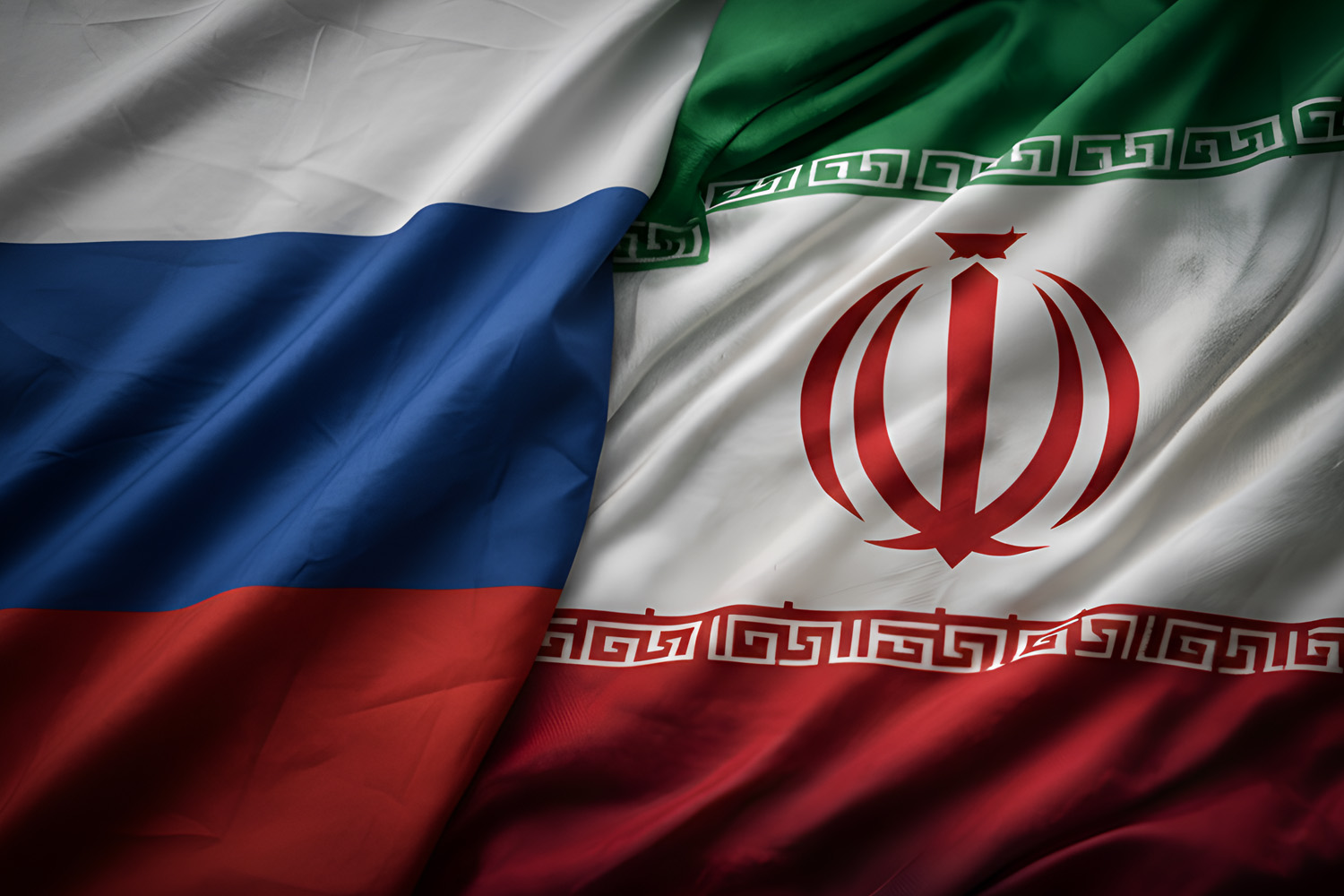
In a major development with strategic implications for the Middle East, **Rosoboronexport and the Iranian Ministry of Defense have signed a confidential weapons agreement under which **Iran will receive modern missile systems and ammunition from **Russia. The contract, reported by the Financial Times and cited by multiple international news outlets, is valued at approximately €500 million (about $589 million) and centers on the supply of advanced mobile air-defense equipment.
Under the agreement — reportedly finalized in December 2025 — Russia will deliver 500 units of the 9K333 Verba man-portable air-defense system and 2,500 of the associated 9M336 surface-to-air missiles to Iran. Deliveries are scheduled in three tranches between 2027 and 2029, though some sources indicate that an initial batch may have been transferred earlier.
The 9K333 Verba is among Russia’s most modern portable anti-aircraft systems. It uses a tri-spectral infrared seeker capable of tracking and engaging low-flying targets including helicopters, drones and cruise missiles. Because it operates without fixed radar installations, the Verba system can be deployed rapidly by small, mobile units — a key advantage in contested airspace.
Why It Matters
The arms agreement highlights deepening military cooperation between Russia and Iran, a relationship that spans strategic, economic, and geopolitical interests. The supply of MANPADS (man-portable air-defense systems) marks one of the largest recent export deals between the two countries, and it arrives at a time of heightened regional tensions.
For Iran, the acquisition helps rebuild and diversify its air-defense architecture after air defense networks were reportedly degraded during the previous year’s conflict with Israel. Mobile systems like the Verba can help Tehran protect critical infrastructure and strategic targets at low altitude, reducing dependence on larger fixed installations that are more vulnerable to precision strikes.
The deal also underscores Moscow’s willingness to maintain military ties with Tehran despite ongoing international sanctions and political pressure from Western governments. Analysts point out that such agreements could complicate diplomatic efforts aimed at reducing tensions and negotiating agreements on other issues, including nuclear diplomacy.
Trend Impact
The deployment of mobile air-defense systems to Iran reflects a broader trend in modern warfare: prioritizing distributed, flexible defense capabilities that are harder for adversaries to neutralize. With the growing use of drones and cruise missiles in regional conflicts, mobile short- and medium-range air defense is gaining strategic value.
For Russia, exporting such systems bolsters its defense industrial base while reinforcing geopolitical alliances. For Iran, diversifying its air-defense arsenal signals a shift toward more resilient and adaptive approaches amid persistent regional rivalries.
As the first deliveries approach in the coming years, military analysts will be watching closely to assess the operational impact of these systems on Iran’s air-defense posture and on the broader balance of power in the Middle East.