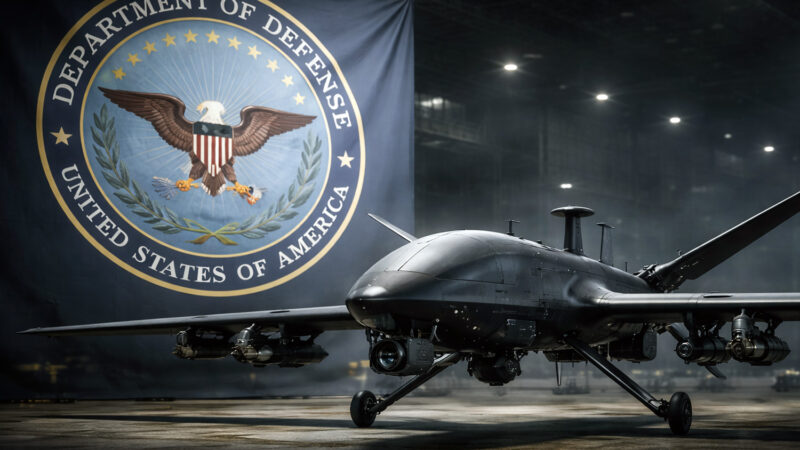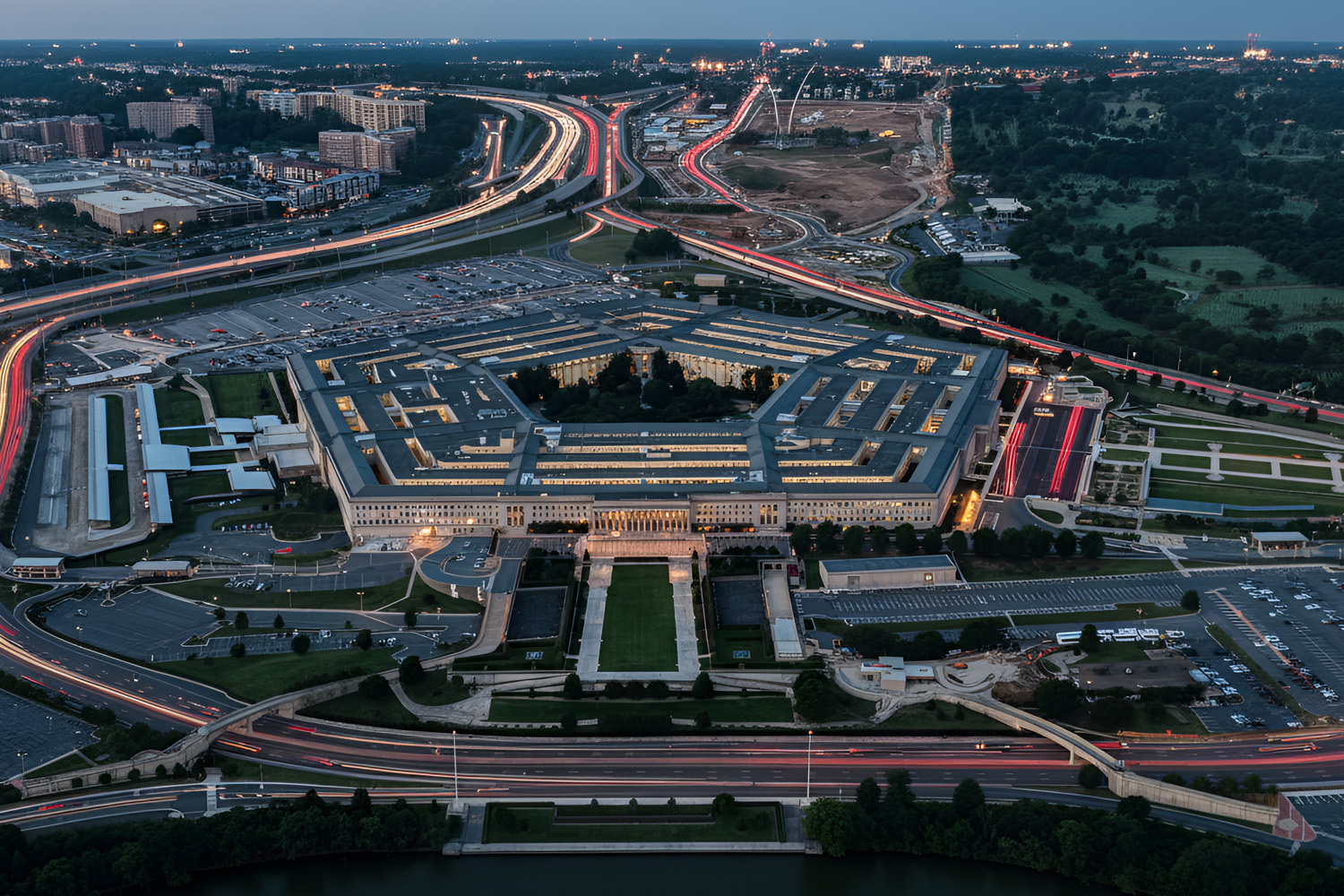
A simmering dispute between the U.S. Department of Defense (DoD) and Anthropic, a leading American AI developer, has drawn attention to a broader tension in how advanced artificial intelligence is governed in national security contexts. According to reports circulating in tech and defense circles, the Pentagon has warned Anthropic that a major contract could be jeopardized unless the company agrees to provide unrestricted access to its AI systems for defense-related use.
The contract in question — widely reported to be worth in the hundreds of millions — would have allowed the Pentagon to use Anthropic’s flagship AI model under specific terms. U.S. defense officials are said to view unrestricted access as essential for integrating AI into intelligence analysis, operational planning and potentially weapon systems development. If Anthropic does not acquiesce, the Pentagon has indicated the contract may be terminated, and the company could be barred from future public procurement and federal AI projects — a move that would significantly impact its business prospects in government markets.
Anthropic, co-founded by Dario Amodei, has built its reputation on safety-focused AI development. The startup’s published principles emphasize ethical boundaries and “humane” use cases, asserting that its models should not be deployed in ways that undermine human rights or contribute directly to lethal autonomous systems. In public statements, Anthropic leaders have reiterated that the company’s AI was designed with safety constraints that may not allow unrestricted military use without violating the firm’s own ethical commitments.
To navigate the political and operational impasse, Anthropic is reported to have appointed Chris Liddell, a former White House official and adviser with experience across government and business, to its executive board. Liddell’s background — including service in Republican administrations — may signal the startup’s intent to strengthen ties with U.S. policymakers and find a path forward that addresses both defense concerns and ethical commitments.
At the core of the dispute is a broader question facing Western governments: How should artificial intelligence — especially powerful generative models — be governed when both national security and ethical responsibility are at stake? The Pentagon’s stance reflects a belief that the military edge in future conflicts may depend on advanced AI capabilities. Meanwhile, pro-AI ethics advocates worry that unfettered access could lead to misuse or escalation in systems that were not designed for lethal contexts.
Why it matters
The Pentagon-Anthropic dispute highlights a structural tension at the intersection of technology policy, national security and corporate ethics. AI firms are increasingly being asked to strike a balance between commercial innovation, ethical safeguards and government requirements. How this balance is struck in high-stakes settings could set precedents affecting the entire AI industry — from startups to global tech giants.
Trend impact
The outcome of these negotiations could influence how governments and the private sector collaborate on emerging technologies. If the U.S. military secures broader access to proprietary AI systems, it may accelerate defense adoption of advanced automation and analytics tools. Conversely, if companies like Anthropic successfully resist unrestricted access on ethical grounds, it could embolden other firms to adopt similar constraints — potentially slowing some types of military integration but strengthening norms around responsible AI use. In either scenario, the debate underscores that AI governance is not just a technical issue but a strategic and ethical one with implications for international competitiveness and security in the digital age.