Background & Setting
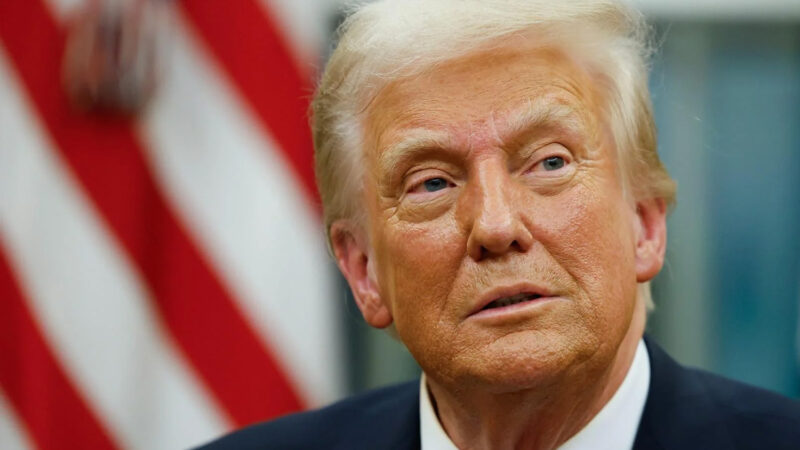
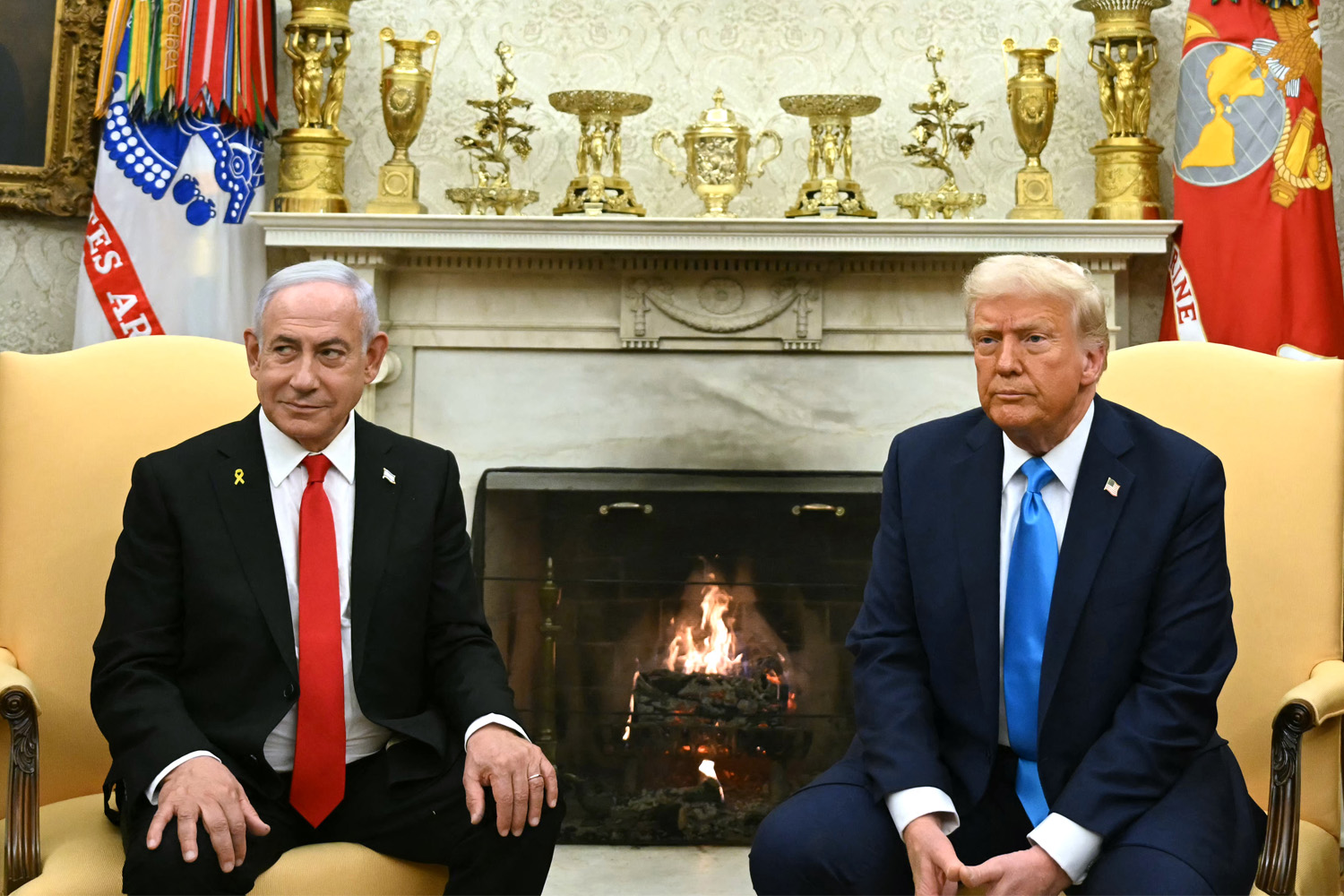
On September 29, 2025, Israeli Prime Minister Benjamin Netanyahu met with former U.S. President Donald Trump at the White House in what was billed as a high-stakes diplomatic session.
Their meeting comes amid continued warfare between Israel and Hamas in Gaza, mounting international pressure, and calls for a ceasefire and humanitarian relief.
The Proposed Gaza Peace Plan
During their joint press conference, Trump introduced a 20-point proposal aimed at ending the Israel–Hamas conflict in Gaza.
Netanyahu expressed support for much of the plan, particularly its emphasis on Israel’s security goals, hostage returns, and the dismantling of Hamas’s military wing.
Key elements of the plan include:
- A ceasefire and withdrawal of Israeli forces (if the deal is accepted).
- The release of all Israeli hostages under specified timelines.
- Demilitarization of Hamas and relinquishment of its political control over Gaza.
- Establishing a transitional governance structure for Gaza under international supervision, including a “Board of Peace” chaired by Trump, with figures like Tony Blair potentially involved.
- Formation of a multinational “stabilization force” (internal security force) working with Israel, Egypt, and newly trained Palestinian police to maintain border and internal security.
However, analysts note that on certain points—particularly long-term governance and the role of the Palestinian Authority—Netanyahu’s position diverges from parts of Trump’s vision.
Responses & Reactions
Hamas has not yet accepted or rejected the proposal. It is reported that the group is reviewing the plan in “good faith.”
The Palestinian Authority (PA) has welcomed the proposal. It stated its willingness to implement certain reforms demanded by the plan as a pathway to resuming governance in Gaza.
Regional & International Actors:
- A number of Arab and Muslim-majority states publicly endorsed the proposal.
- European leaders and institutions have also expressed cautious optimism and encouraged diplomatic engagement.
Stakes, Challenges & Outlook
- Credibility vs. Reality: While Netanyahu has publicly backed much of the plan, it remains unclear whether Israel and the U.S. have fully resolved differences over issues such as Palestinian statehood, the ultimate role of the PA, and limits on sovereignty.
- Hamas Acceptance is pivotal. If Hamas refuses or obstructs the plan, both leaders have warned of continued military action. Netanyahu framed it starkly:
“This can be done the easy way or the hard way, but it will be done.”
- Coalition Pressures: Netanyahu faces internal political constraints, particularly from hard-line members of his governing coalition, who may oppose perceived concessions.
- Humanitarian & Security Realities: The conflict has engendered severe humanitarian crises in Gaza, with infrastructure damage, civilian suffering, and regional instability complicating any peace roadmap.
- Transitional Governance Risks: The success of any transitional authority hinges on legitimacy, security enforcement, coordination among multiple actors, and phasing in power to a reformed PA. Missteps could trigger renewed violence or governance collapse.
What to Monitor Going Forward
- Hamas’s formal response: whether it will accept, reject, or propose amendments.
- Implementation timelines—especially the hostage release and ceasefire commitments.
- How Israel, the U.S., and regional partners manage security operations in transition zones.
- Whether the PA can strengthen legitimacy and administrative capacity in Gaza.
- Reactions from global powers, such as the U.N., E.U., Russia, and neighboring states.
- Internal political shifts in Israel that may influence Netanyahu’s flexibility or resolve.