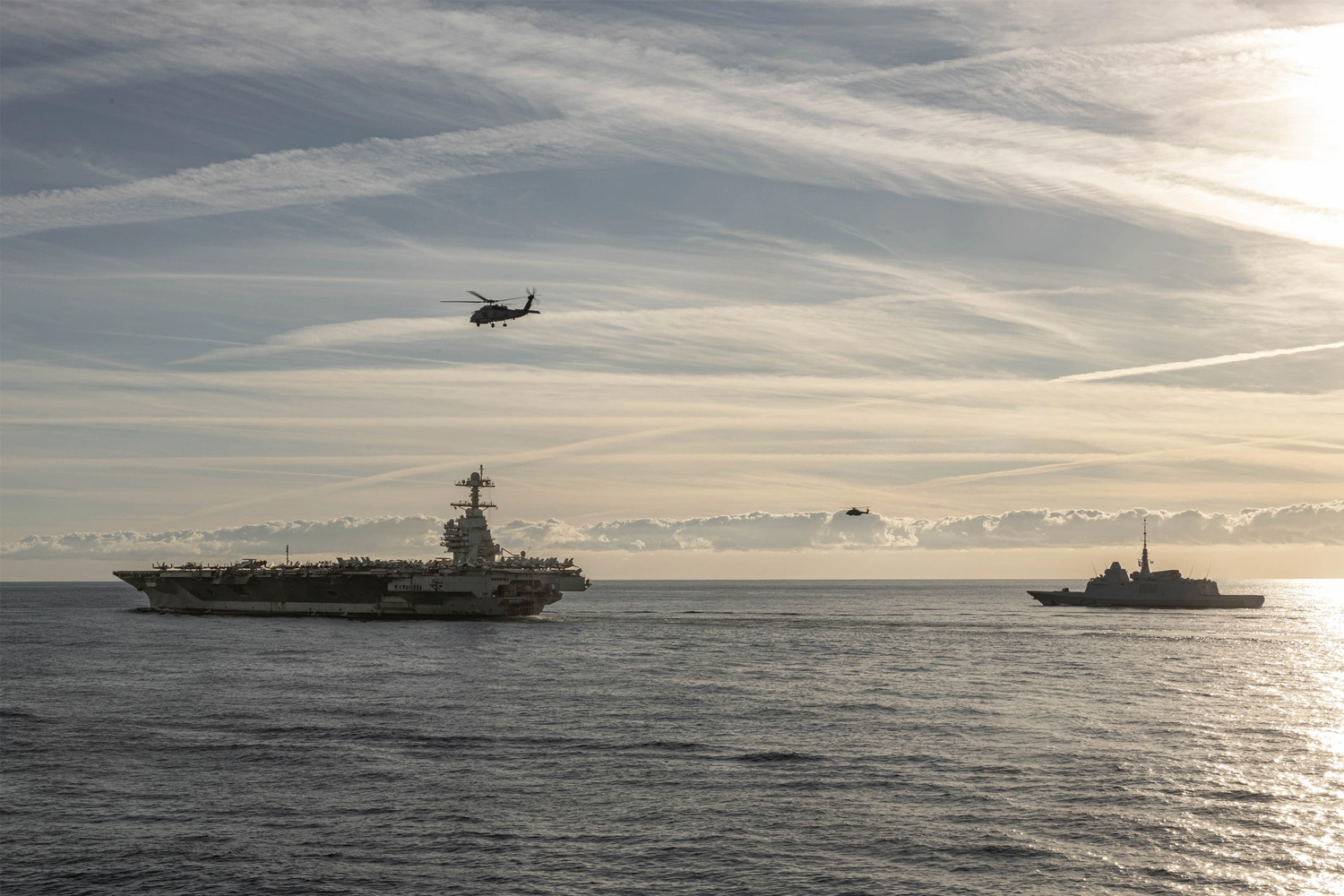
From 22 to 26 September 2025, NATO carried out Neptune Strike 25-3, the third iteration of its 2025 enhanced vigilance activity, bringing together naval, air, and ground forces across multiple European maritime theaters.
What is Neptune Strike?
Neptune Strike is a NATO series of “enhanced Vigilance Activity” (eVA) exercises. Its purpose is to integrate and test high-end maritime strike capabilities under NATO command, while coordinating with air and land forces.
These exercises are designed to improve interoperability among Allies, demonstrate the Alliance’s deterrence posture, and validate NATO’s ability to operate a Carrier Strike Group (CSG) under its control.
Historically, the Neptune series has also functioned to build bridges between U.S. naval strike assets and NATO command structures—ensuring that a U.S. Carrier Strike Group could be incorporated into NATO operational plans.
Key Features of Neptune Strike 25-3
Scale and Participation
- Over 10,000 personnel from 13 NATO member nations took part.
- Operations spanned four seas: the Mediterranean, Adriatic, North Sea, and Baltic Sea.
- The exercise was led by STRIKFORNATO (Naval Striking and Support Forces NATO), with command under U.S. Vice Admiral Jeffrey T. Anderson.
- NATO assumed operational control of a Carrier Strike Group, as well as various naval, amphibious, and air force components.
Operations and Domains
Neptune Strike 25-3 incorporated:
- Maritime strike exercises involving surface vessels and submarines
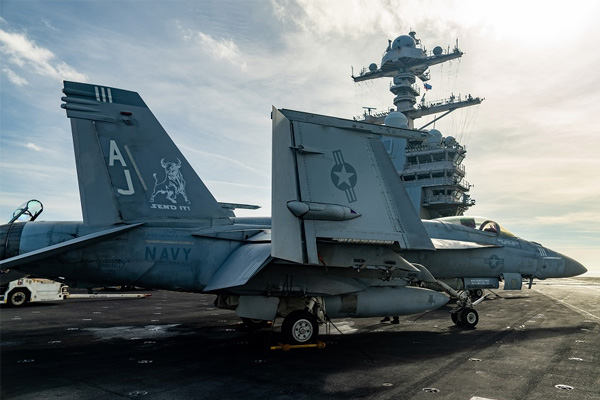
- Carrier-based aviation operations
- Amphibious and land component coordination
- Command and control (C2) drills integrating allied systems
- Search and rescue and other support missions in maritime settings
For example, the USS Gerald R. Ford led a carrier strike group in the North Sea under NATO command, working alongside allied surface ships and aviation assets.
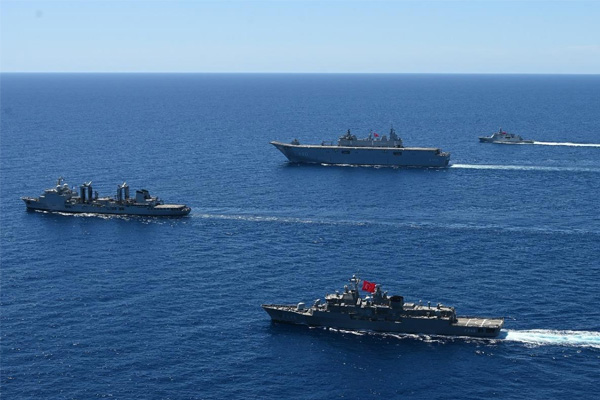
In the Adriatic, the command-and-control ship USS Mount Whitney operated alongside Turkey’s amphibious assault ship TCG Anadolu and other naval units.
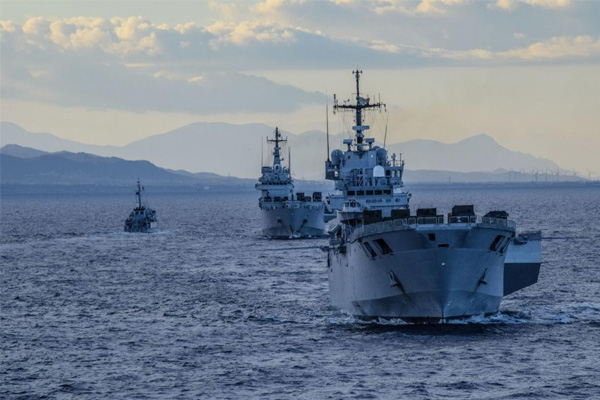
Turkish and Italian naval forces also conducted joint maneuvers under the same umbrella exercise.
In the Baltic and northern seas, participating navies included Finland, along with deployments coordinated in the maritime north.
Strategic Aims and Significance
- Reinforcing Deterrence and NATO’s Credibility
In a security environment marked by geopolitical tension—particularly vis-à-vis Russia—Neptune Strike 25-3 serves as a signal: NATO is capable of projecting integrated, high-end maritime power with allied cohesion.
By operating across several maritime zones and chokepoints, the exercise underscores NATO’s commitment to safeguarding freedom of navigation and protecting allied sea lines of communication.
- Advancing Interoperability
One of the core goals is to test how well diverse national forces can operate together—integrating command systems, tactics, communications, and logistics between naval, air, and land components.
Specifically, it stresses the ability of NATO to absorb U.S. naval strike power into Alliance planning.
- Testing in Complex Maritime Environments
Operating across multiple seas (Mediterranean, Adriatic, North, Baltic) presents demanding geography, variable weather, and contested maritime zones—offering realistic conditions for readiness.
Context: Neptune Strike in 2025 and Beyond
Earlier in 2025, NATO had executed Neptune Strike 25-1 in the Mediterranean, focused on naval strike and amphibious coordination.
Neptune Strike 25-2, conducted in mid-2025, extended training into the Black Sea region, including airborne support missions and naval coordination with NATO allies.
Neptune Strike is part of a broader NATO posture of enhanced vigilance activities, a set of recurring readiness drills rather than one-off war games.
Challenges and Considerations
- Large-scale coordination across nations and domains presents logistical, communication, and rule-of-engagement challenges.
- Ensuring secure command handover and interoperability between U.S. and NATO systems demands rigorous planning.
- Operating near zones of strategic contest (e.g. near Russia’s maritime approaches) requires careful calibration to avoid unintended escalation.
- Balancing operational ambition with realistic constraints—such as fuel, resupply, maintenance, and weather—is always a factor in multi-domain exercises.
What to Watch for Going Forward
- Whether NATO will expand its access to even more ambitious maritime strike scenarios, perhaps including undersea warfare, unmanned systems, or missile strikes.
- How Neptune Strike evolves amid shifting strategic priorities, such as increased focus on the Arctic, the Baltic, or the Eastern Mediterranean.
- Reports from participating countries about lessons learned, particularly in command & control, logistics, and sustainability of prolonged operations under NATO command.