On 3 December 2025, foreign ministers of NATO met in Brussels and reaffirmed their commitment to increasing defence investments, accelerating military readiness, and sustaining support for Ukraine through the upcoming winter.
Mark Rutte, NATO Secretary-General, warned that the alliance is “ready and willing to do what it takes” to defend Europe against ongoing threats from Russia, signaling a shift toward more robust and long-term strategic commitments.
What NATO Decided
- NATO ministers committed to achieving a defence-spending goal of 5% of GDP by 2035 — aiming to build a stronger, more responsive alliance.
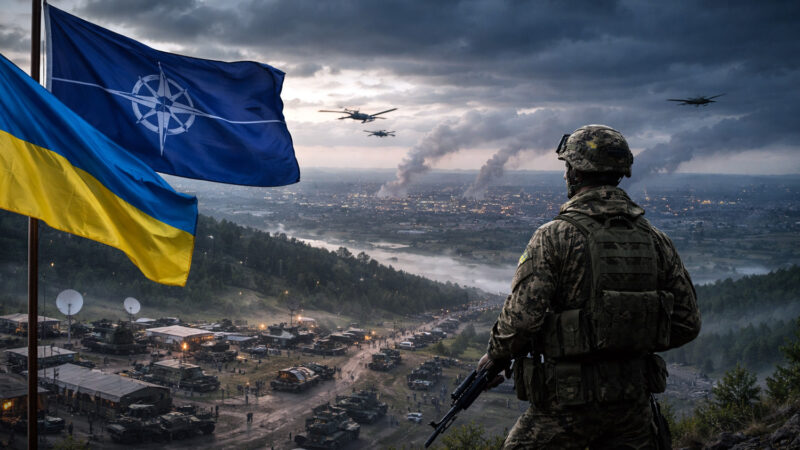
- The alliance committed to delivering essential military capabilities to Ukraine via the Prioritised Ukraine Requirements List (PURL), including air-defence systems and other critical defence hardware.
- During the meeting, NATO also addressed hybrid threats posed by Russia, including airspace violations, cyberattacks, and alleged maritime espionage.
Russia’s Response: A Stark Warning
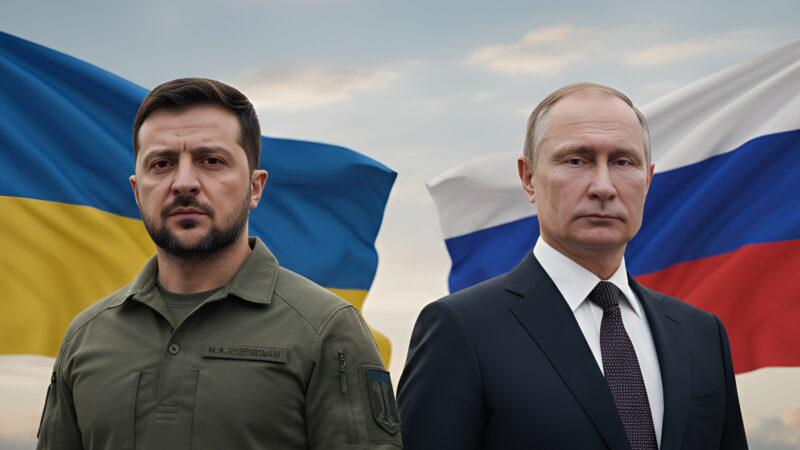
Meanwhile, Russian President Vladimir Putin responded with a harsh message to Europe, declaring that if Europe “wants war,” Russia is fully prepared to respond — escalating tensions amid growing confrontation.
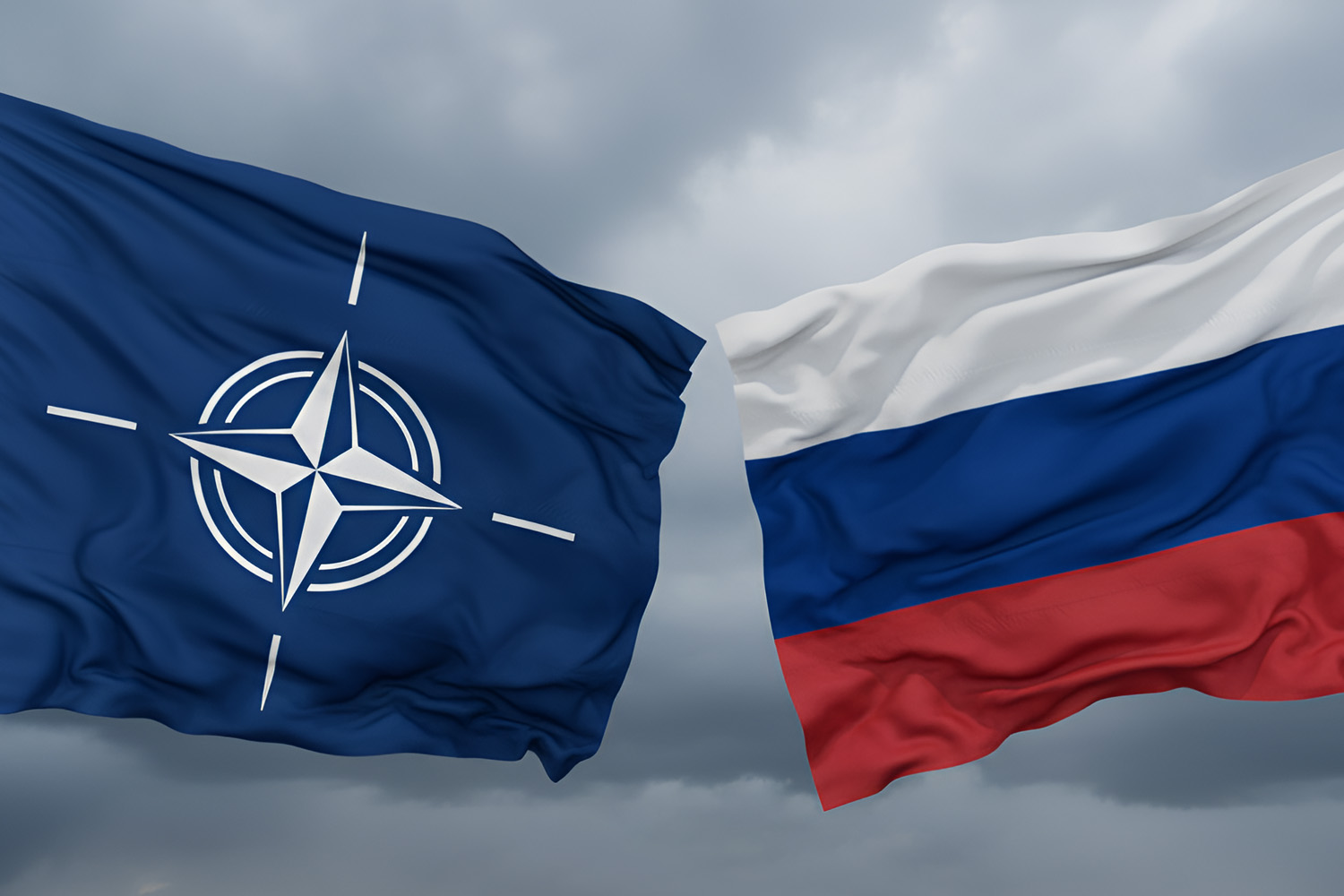
According to Russian state messaging, Moscow dismissed recent US-brokered peace proposals and signaled that any broader escalation could have severe consequences — a retort that underscores the deepening divide between NATO and Russia.
Implications for Europe, Ukraine and Global Security
- NATO’s renewed commitment and the surge in defence spending mark a turning point for European security architecture — signalling resolve and unity in the face of Russian aggression.
- For Ukraine, the new pledges provide hope for strengthened defence capacities during the winter and beyond, while reinforcing its strategic ties with Western allies.
- Russia’s warning increases the risk of miscalculation and broader escalation, raising concerns among European states about potential spill-over beyond Ukraine.
- The developments highlight that the war in Ukraine continues not only as a regional conflict but as a pivotal test for the future of European and global security frameworks.
As 2025 draws to a close, the events of December 3 underline a clear message from Western allies: support for Ukraine remains firm — and the consequences for aggression will be met with unwavering collective defence.