In mid-December 2025, the U.S. House of Representatives Committee on Foreign Affairs held a high-profile hearing titled “Hybrid Warfare in Europe Against U.S. Interests: Moscow and Beijing’s Playbook,” highlighting growing concern among U.S. lawmakers and experts about coordinated Russian and Chinese influence and subversion campaigns across Europe.
What Lawmakers Are Warning About
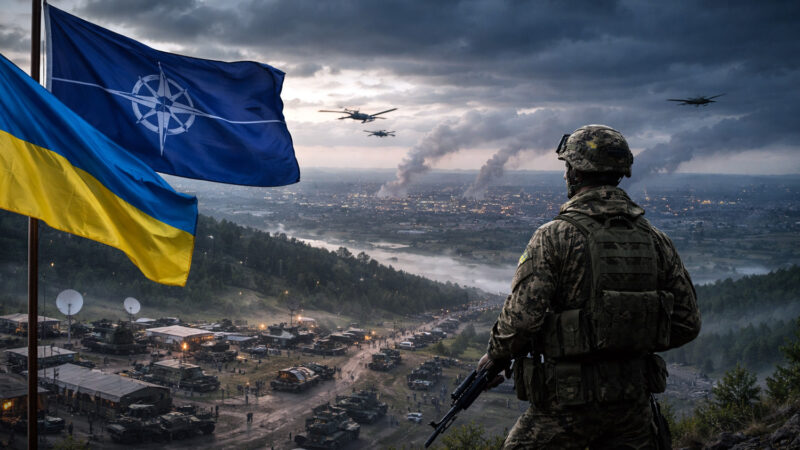
During the hearing, lawmakers from both parties described a hybrid war unfolding in Europe that goes beyond conventional conflict and encompasses cyberattacks, disinformation, economic coercion, sabotage, and diplomatic pressure. These tactics, they argue, are designed to undermine democratic institutions, weaken NATO unity, and ultimately erode strategic Western interests — including those of the United States.
The term hybrid warfare refers to a blend of covert and overt strategies that stop short of declared military action, combining nontraditional tools such as cyber operations, psychological pressure, strategic manipulation of information, and political interference. These methods are widely discussed in security studies as part of contemporary conflict dynamics, particularly in relation to Russian and Chinese approaches to global competition.
Russia’s Tactics in Europe
According to recent reporting by Western officials, Russia has significantly escalated its hybrid campaign across multiple European states following its full-scale invasion of Ukraine in 2022. The Associated Press reported that at least 145 sabotage incidents linked to Russian actors — including explosions, arson, and cyber disruptions — have taken place in Europe, placing a strain on law enforcement and intelligence cooperation among NATO members.
Such activities are seen not simply as tactical operations but as part of a broader Russian strategy aimed at sowing discord, eroding public trust, and exploiting political divisions within and between European democracies.
China’s Role and Strategic Influence
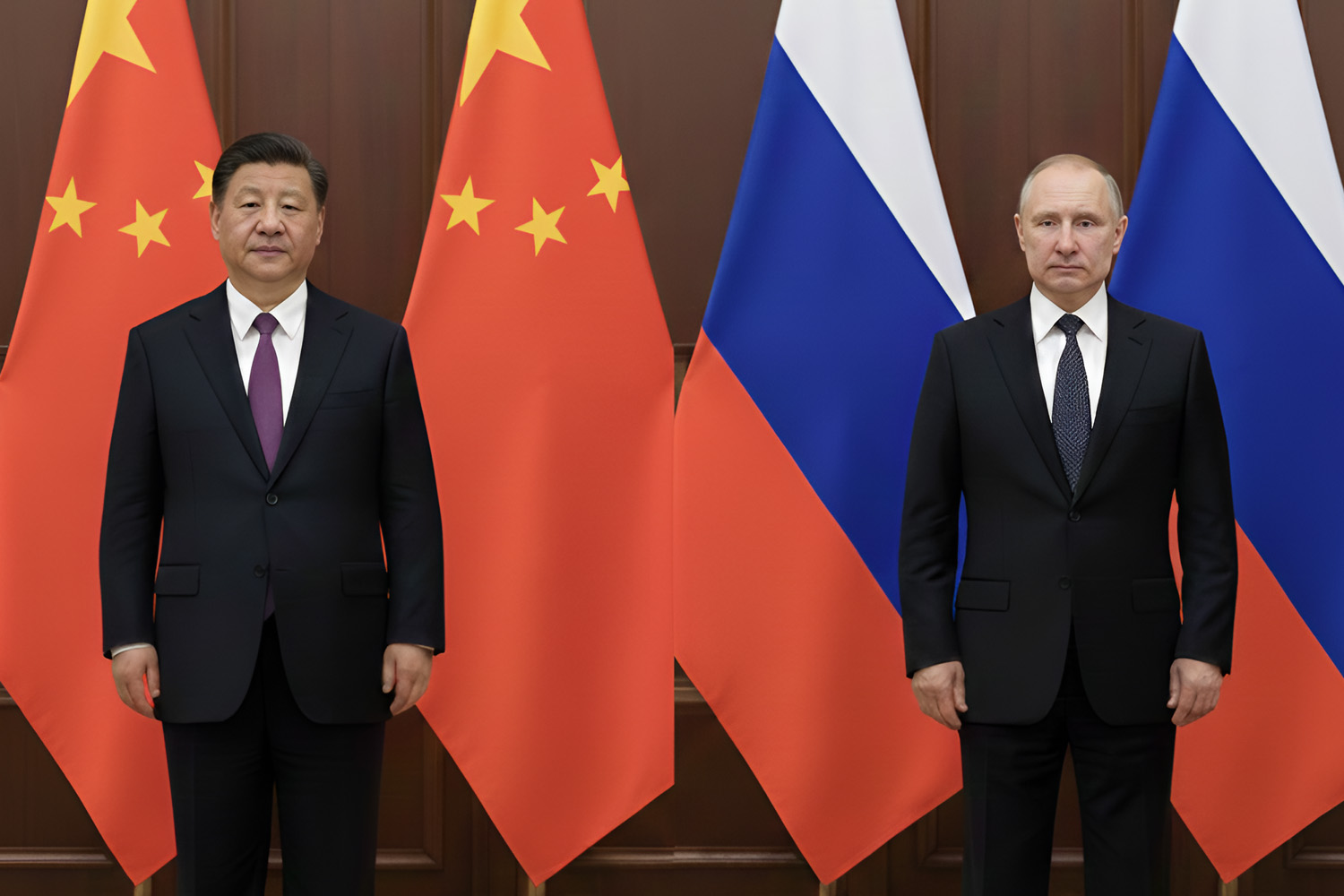
While Russia has been more directly implicated in sabotage and covert operations, U.S. lawmakers also highlighted China’s expanding role in hybrid activities in Europe. Beijing’s influence efforts are focused largely on economic leverage, technology supply chains, and strategic investments that can shift political alignments and create dependencies. China’s growing global ambitions — framed by its own doctrines such as “unrestricted warfare” — make it a critical element of what U.S. officials describe as a dual authoritarian challenge.
Impact on NATO and Democracy
The hearings emphasized that these hybrid campaigns are more than regional disturbances — they have direct implications for NATO cohesion and transatlantic security. U.S. lawmakers argue that weakening European unity indirectly threatens U.S. strategic interests because Europe’s stability and democratic resilience underpin collective defense arrangements that also benefit America’s security posture.
Experts testified that hybrid warfare seeks to blur the lines between peacetime and wartime, exploiting democratic freedoms — such as open media and political pluralism — to advance authoritarian goals without triggering full-scale military confrontation.
European Responses and Outlook
European governments have increasingly acknowledged these hybrid threats, stepping up counter-measures in areas like cybersecurity, information integrity campaigns, and infrastructure protection. NATO and EU partners have also enhanced coordination to detect and respond to non-military threats that target social cohesion and democratic institutions.
As hybrid tactics evolve, U.S. lawmakers and European leaders alike stress the importance of sustained vigilance, cross-border cooperation, and strategic investment to defend democratic norms against increasingly sophisticated authoritarian strategies.