The Middle East remains a focal point of geopolitical tension, with developments in Iran’s domestic politics, regional diplomacy, and relations with the United States drawing global scrutiny. As of early February 2026, the situation is marked by both diplomatic engagement and persistent volatility.
Latest Developments
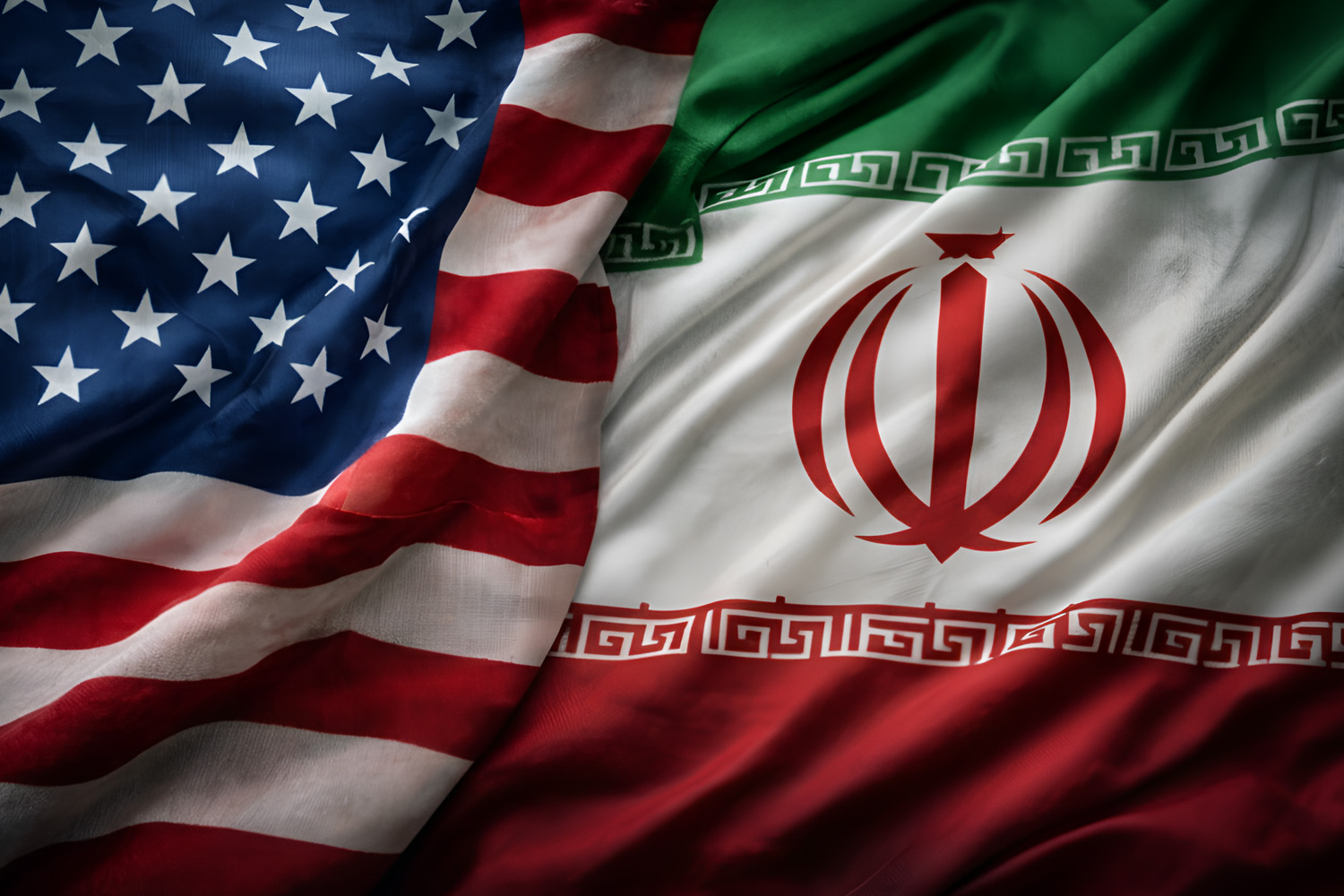
In recent days, Iran and the United States have engaged in indirect talks in Muscat, Oman, aimed primarily at addressing Iran’s nuclear program and avoiding broader conflict. Iranian Foreign Minister Abbas Araghchi described the initial round of discussions on February 6, 2026 as a “good start,” with plans to continue negotiations after consultations in capitals. U.S. officials have similarly signaled a willingness to pursue further dialogue, although core disagreements remain over issues such as ballistic missiles and regional influence.
Despite these diplomatic efforts, tensions on the ground persist. Just days prior, U.S. forces shot down an Iranian drone near the aircraft carrier USS Abraham Lincoln, highlighting the potential for unintended escalation even amid negotiation.
At the same time, oil markets have shown sensitivity to these geopolitical signals. On February 8, crude prices eased by about 1 % after news of continued talks, reflecting market hopes that conflict risks may be reduced — but analysts caution that volatility remains high given the strategic importance of the Strait of Hormuz.
Why It Matters
The United States has significantly increased its military presence in the region since late January 2026, deploying carrier strike groups and additional forces. U.S. officials say this buildup aims to deter instability linked to widespread unrest in Iran, which has been fueled by protests and security crackdowns, as well as to support diplomatic leverage in negotiations with Tehran. Iranian officials view the deployment as provocative and potentially destabilizing.
Inside Iran, the domestic situation has also intensified. Iranian security forces have arrested prominent reformist leaders and sentenced Nobel laureate Narges Mohammadi to additional prison terms, underscoring ongoing internal dissent and human rights concerns.
While Tehran maintains that its nuclear program is peaceful and insists diplomacy is the only path forward, it has also issued stern warnings about potential retaliation against external threats, reflecting a hardening stance in some quarters.
Trend Impact
These overlapping trends — diplomatic negotiations, military posturing, domestic repression, and economic sensitivity — paint a complex picture for 2026. Analysts warn that progress in talks could reduce the risk of wider confrontation, including direct U.S.–Iran conflict or an escalation involving regional actors. Yet unresolved issues such as missile capabilities, nuclear enrichment, and Iran’s regional alliances continue to fuel mistrust and uncertainty.
For global markets, security analysts, and regional allies, developments in Iran and U.S.–Iran relations remain among the most consequential geopolitical stories of the year, with implications for energy prices, military balance, and long-term stability in the broader Middle East.