Strategic Context
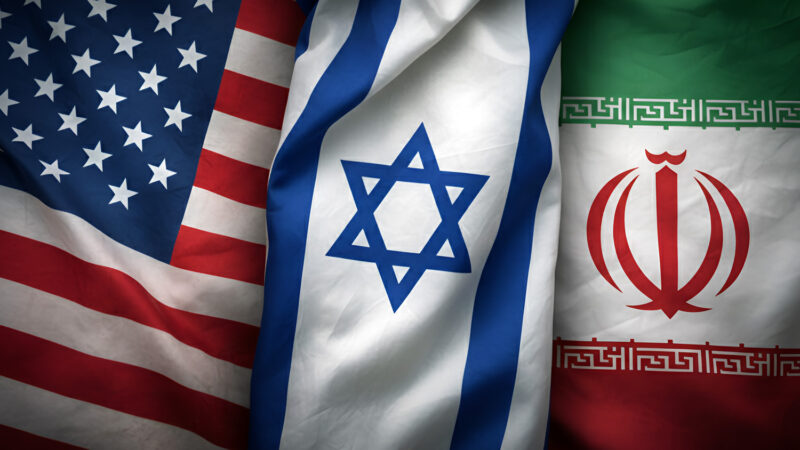
The Middle East has historically been a focal point of geopolitical tensions, driven by competing state interests, regional rivalries, and external powers’ involvement. In recent months, a cascading series of military engagements has broadened localized conflicts into a more expansive confrontation involving state and non-state actors. This escalation follows significant joint military actions by the United States and Israel targeting Iran — actions that have reverberated across the region and triggered reciprocal strikes, proxy engagements, and widespread disruption to civilian infrastructure. The current phase of hostilities reflects deep structural fault lines in Middle Eastern geopolitics and carries implications that extend well beyond the region’s borders.
What Happened
Recent developments represent a significant intensification of conflict dynamics:
- Hezbollah, an Iran-aligned militant group based in Lebanon, began launching rockets at northern Israel, marking the first major offensive since a 2024 ceasefire and prompting Israeli retaliatory strikes on Lebanese territory.
- Iran has carried out missile and drone attacks against Gulf targets, including airports and infrastructure in the United Arab Emirates — notably Dubai International Airport and Abu Dhabi’s Zayed International Airport — resulting in casualties and injuring civilians.
- Airspace closures across multiple Middle Eastern countries have led to mass flight cancellations and severe global travel disruptions.
- A suspected Iranian drone strike targeted the British Royal Air Force base at Akrotiri in Cyprus, illustrating the widening geographic footprint of hostilities.
These events have unfolded against the backdrop of broader U.S.–Israel–Iran tensions, elevating what might have been direct bilateral conflict into a more regionalized crisis.
Why It Matters
The current escalation matters for several interrelated reasons:
First, the geography of violence has expanded. What began as concentrated military operations against specific targets has now drawn in a diverse set of actors — state forces, proxy militias, and international military installations — widening the risk of broader confrontation.
Second, civilian infrastructure is directly affected. Attacks on commercial hubs such as global airports, economic gateways like major ports, and even foreign military bases signal a transition from tactical military engagements to operations that increasingly affect civilian mobility, commerce, and international relations.
Third, the involvement of a long-standing proxy actor like Hezbollah underscores the depth of Iran’s regional influence. By opening a two-front challenge against Israel from Lebanese territory, the conflict transcends a simple bilateral dispute and enters the terrain of multi-actor regional warfare.
Energy and Commodity Markets
The Middle East remains critical to global energy supply, with the Strait of Hormuz accounting for a substantial share of seaborne crude transit. Disruptions or perceived threats to this chokepoint — already occurring through hostilities — typically translate into higher oil prices and risk premiums in energy markets.
Elevated geopolitical risk often manifests as increased pricing volatility, affecting input costs for industries dependent on oil and gas and contributing to inflationary pressures in energy-importing economies.
Transportation and Travel
The suspension of flights at major international hubs such as Dubai and Abu Dhabi has triggered unprecedented travel disruptions, stranding passengers and interrupting global air cargo networks. These closures have not only short-term operational costs for airlines but also cascading effects across tourism, freight logistics, and global supply chains.
Economic Confidence and Investment
Heightened instability typically leads to short-term capital flight from emerging markets perceived as risky and can deter foreign direct investment. Regional business confidence is challenged when core infrastructure and essential services are targeted.
Competitive Landscape
The current crisis reshapes strategic calculations among regional powers:
- Iran’s network of allies and proxies — including Hezbollah — positions it as a central catalyst in the escalation, testing the resolve of traditional adversaries like Israel and its Western partners.
- Gulf Cooperation Council (GCC) states such as the UAE find themselves drawn into the broader security equation despite efforts to maintain neutrality, illustrating the limits of diplomatic insulation in a highly interconnected region.
- Foreign military presences, including U.S. and British assets, further complicate the strategic landscape, as actions against or around these positions risk expanding involvement beyond regional actors to major global powers.
Risks & Uncertainties
The conflict presents several sizable risk vectors:
Escalation to fuller regional war: Persistent engagements between multiple state and non-state actors risk cascading into wider direct confrontations.
Miscommunication and miscalculation: In multi-actor environments, the risk of unintended escalation through incorrect attribution or response timing is high.
Prolonged economic disruption: Persistent uncertainty in energy markets and transportation networks could reduce growth forecasts for key global economies.
Humanitarian strain: As hostilities impact civilian populations and infrastructure, humanitarian needs will increase, adding pressure on international aid systems.
Bigger Trend Implications
The current upheaval signals a broader trend of continued fragmentation in Middle Eastern security architecture. Proxy engagements, expanded strike footprints, and disruptions to critical infrastructure reflect a shift from isolated conflicts into interlinked regional confrontations.
At the global level, several implications stand out:
- Energy security becomes more prominent in macroeconomic planning, with governments and firms likely to accelerate diversification of supply sources and strategic reserves.
- Global travel and logistics systems may reassess regional dependencies, augmenting alternative routes and risk mitigation practices.
- International diplomatic efforts gain renewed urgency, as actors ranging from the United Nations to major powers grapple with containing the crisis and preventing spillover.
Conclusion
The latest escalation in the Middle East — crossing frontlines from Iran to the Gulf, Lebanon, and beyond — reflects a volatile confluence of historical rivalries, proxy dynamics, and direct military engagements. Its impact is not limited to battlefield outcomes but extends into global energy markets, international travel, and geopolitical alignments. Understanding these developments requires not only tracking individual events but situating them within the evolving strategic contours of regional and global stability.