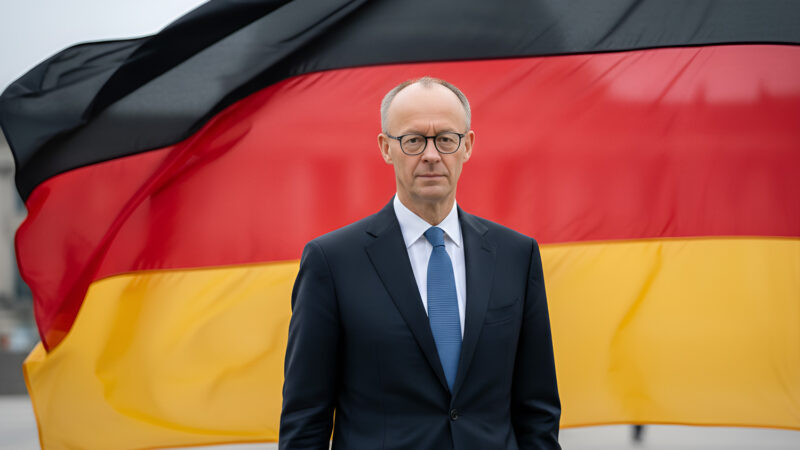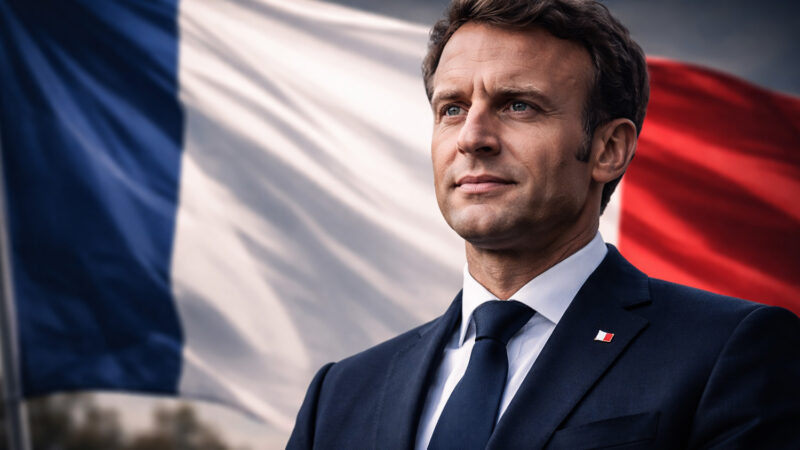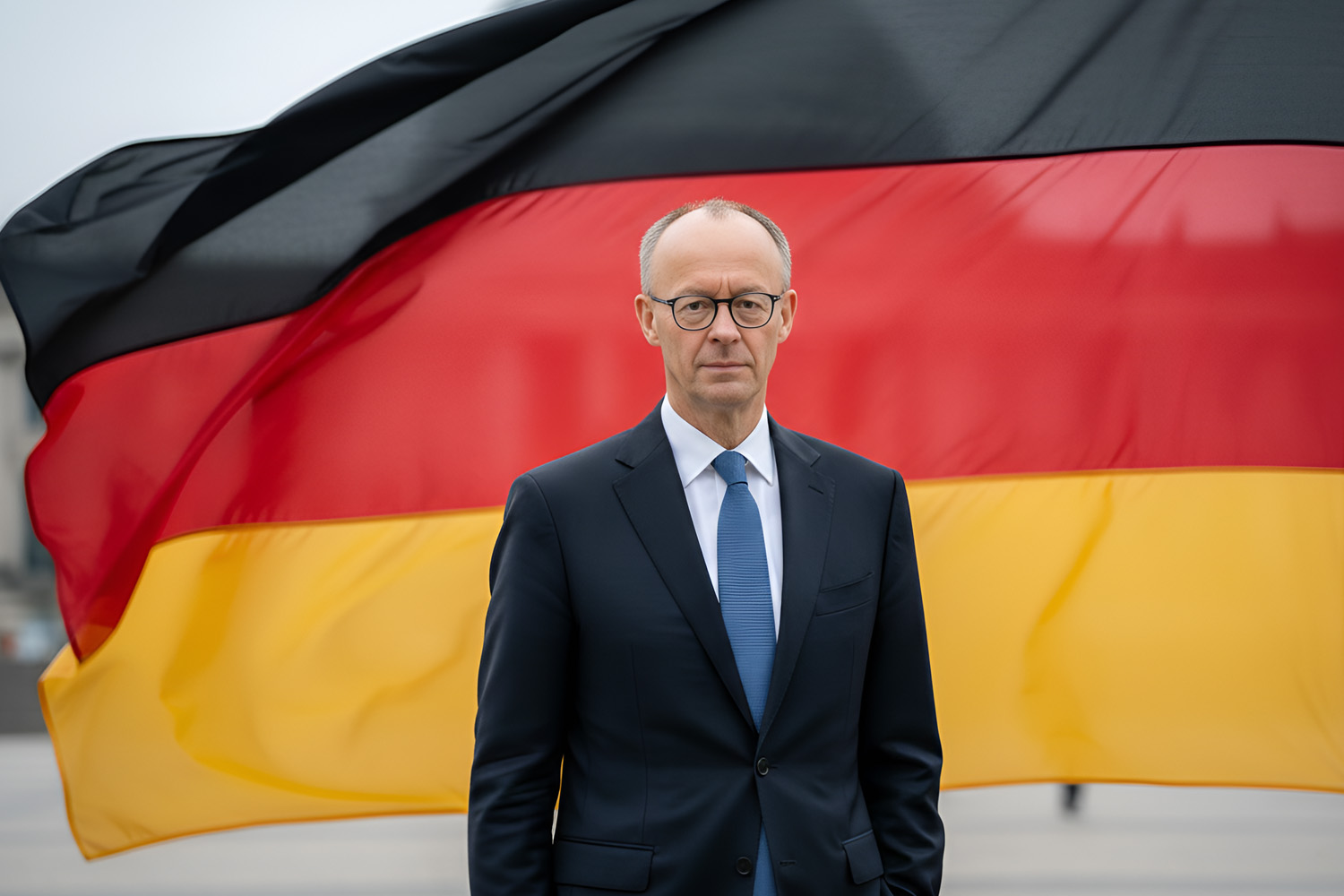
German Chancellor Friedrich Merz has declared that the period of Pax Americana—a world order underpinned by U.S. security dominance—is no longer the defining framework for Europe’s peace and security. Speaking at a gathering of the Christian Social Union (CSU) in Munich in December 2025, Merz said that shifts in global politics and U.S. priorities signal the need for Europe to take greater responsibility for its own interests and defence.
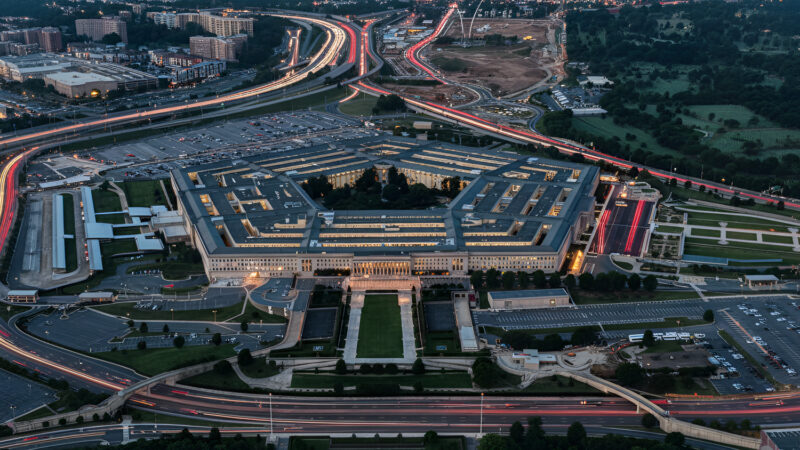
The term Pax Americana refers to the post-World War II arrangement in which the United States acted as the primary guarantor of stability and security across Europe through NATO and its broader global presence. Merz argued that this era “no longer exists in the way we knew it” and pointed to evolving U.S. policies and strategic focus as reasons why Europe must adapt and strengthen its own capabilities.
Merz’s comments reflect broader debates within European capitals about strategic autonomy—the idea that the European Union and its member states should be able to defend their interests without excessive reliance on external partners. In his remarks, Merz acknowledged the importance of maintaining transatlantic cooperation, especially on issues such as support for Ukraine and collective defence, but emphasized that Europe must not assume U.S. leadership will always be assured or aligned with European priorities.
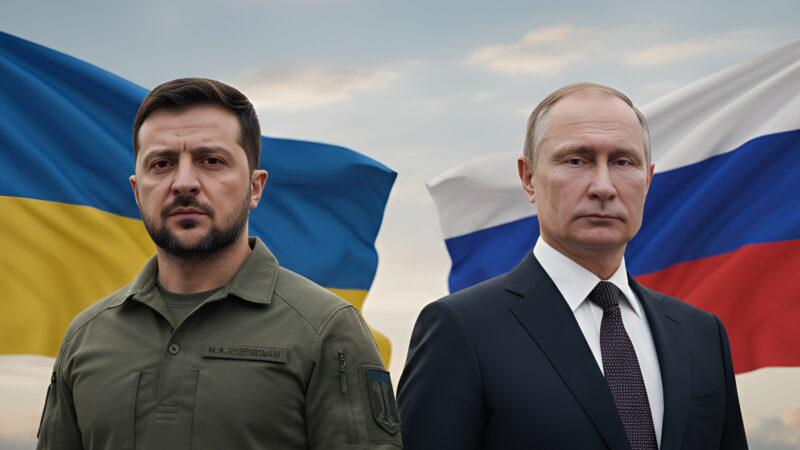
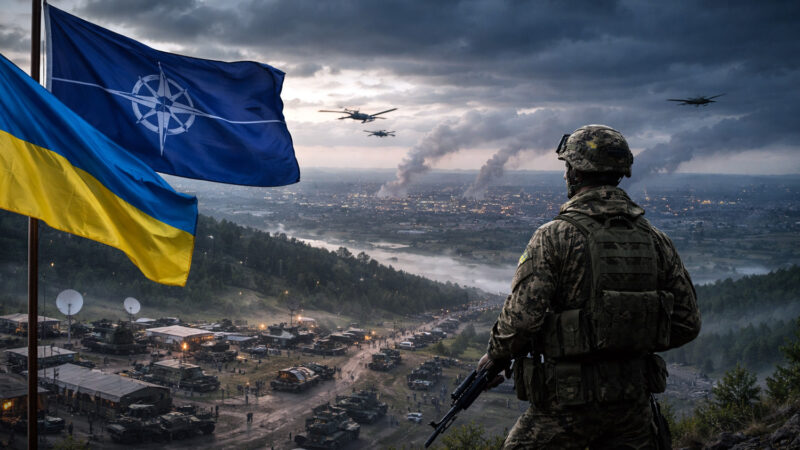
On the issue of Russia’s war in Ukraine, Merz has repeatedly underscored the threat Moscow poses to European stability. He has warned that Russian President Vladimir Putin seeks to alter European borders and that continued support for Ukraine is vital to defending broader European security. “Putin will not stop. And if Ukraine falls, he will not stop,” Merz said in December 2025, stressing the importance of unity in response to Russian aggression.
Merz’s stance aligns with recent German and EU policy discussions calling for increased defence spending, accelerated development of European military capabilities, and stronger coordination with partners beyond the United States. While acknowledging Washington’s role as an important partner, the chancellor said Europe must adapt to a changing strategic landscape and seek diversified alliances that reflect its own interests and values.
The speech has sparked discussion across Europe about the future of transatlantic relations and the balance between cooperation and autonomy in security policy. Analysts say that while Europe still depends on the U.S. for certain defence functions, political leaders are increasingly debating how to build a more capable and self-reliant European defence architecture in the face of shifting global dynamics.