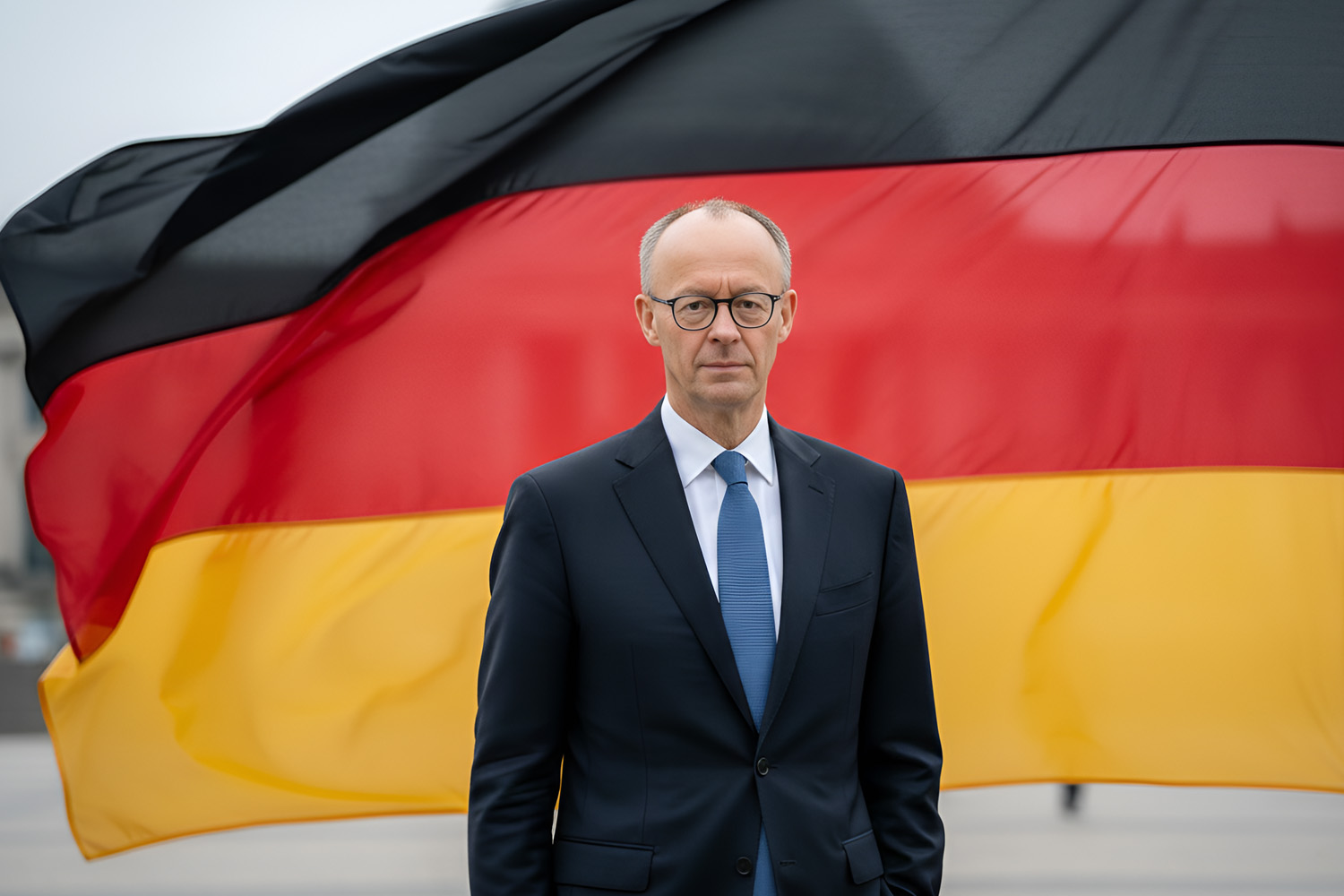
In February 2026, German Chancellor Friedrich Merz publicly called for a significant shift in how social media is used in Germany, urging lawmakers and platforms to ban anonymous online accounts and require users to register with their real names and surnames on social networks. Merz said this step is crucial to protect democratic institutions and free society by reducing the influence of fake profiles and online manipulation.
Merz, leader of the centre-right Christian Democratic Union (CDU), made his position clear at a political event on 19 February 2026, stating that while public debate in politics happens under real identities, online discussions often occur behind the veil of anonymity. He argued this anonymity enables both domestic and foreign actors to spread false information and avoid accountability, posing a threat to open and democratic discourse.
Why It Matters
Merz’s proposal comes amid growing concern in Germany and across Europe about the role of social media in disinformation, targeted manipulation, and harmful content. Studies have shown that fake or imposter accounts — sometimes operated by automated bots or coordinated networks — can significantly amplify misinformation and influence public opinion on political topics. Removing anonymous accounts, proponents argue, could make it easier to trace and reduce the spread of false narratives.
Advocates of the idea say requiring real-name registration could improve accountability, curb hate speech, and strengthen trust in online debate. Merz linked the issue to broader digital safety talks, including protecting minors from harmful platforms and misinformation.
Criticism and Free Speech Concerns
However, Merz’s proposal has sparked debate and criticism. Opponents argue that mandatory real names could expose vulnerable groups — such as activists, whistleblowers, and individuals at risk — to harassment, retaliation, or surveillance. Critics also worry that limiting anonymity might chill free expression online and undermine privacy rights. Discussions on social platforms reflect this divide, with users pointing out both the potential benefits and risks of stripping away anonymity.
The debate over online anonymity is part of a broader European conversation about digital regulation, platform responsibility, and how democracies respond to technological change. Germany’s unique historical context and strong privacy protections make this discussion particularly contentious.
As of this writing, Merz’s proposal has not yet become law, and it remains unclear how such a real-name requirement would be implemented or enforced — especially given legal challenges around privacy rights and data protection in the European Union. Nevertheless, the remarks signal growing political momentum for stronger controls over digital spaces and how individuals are identified online.