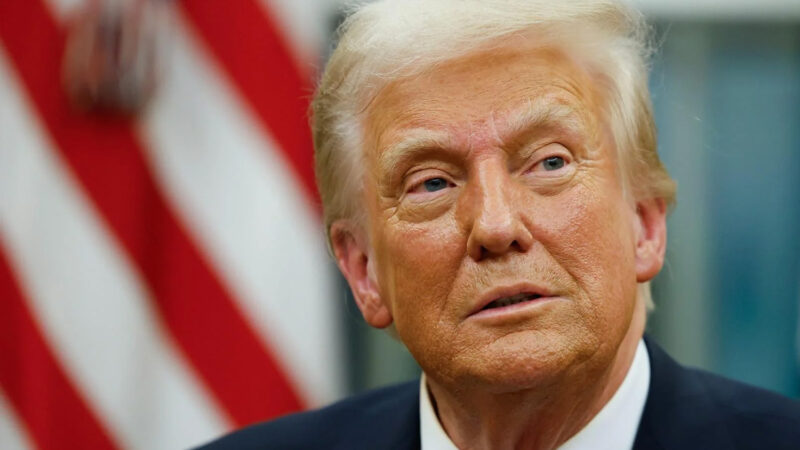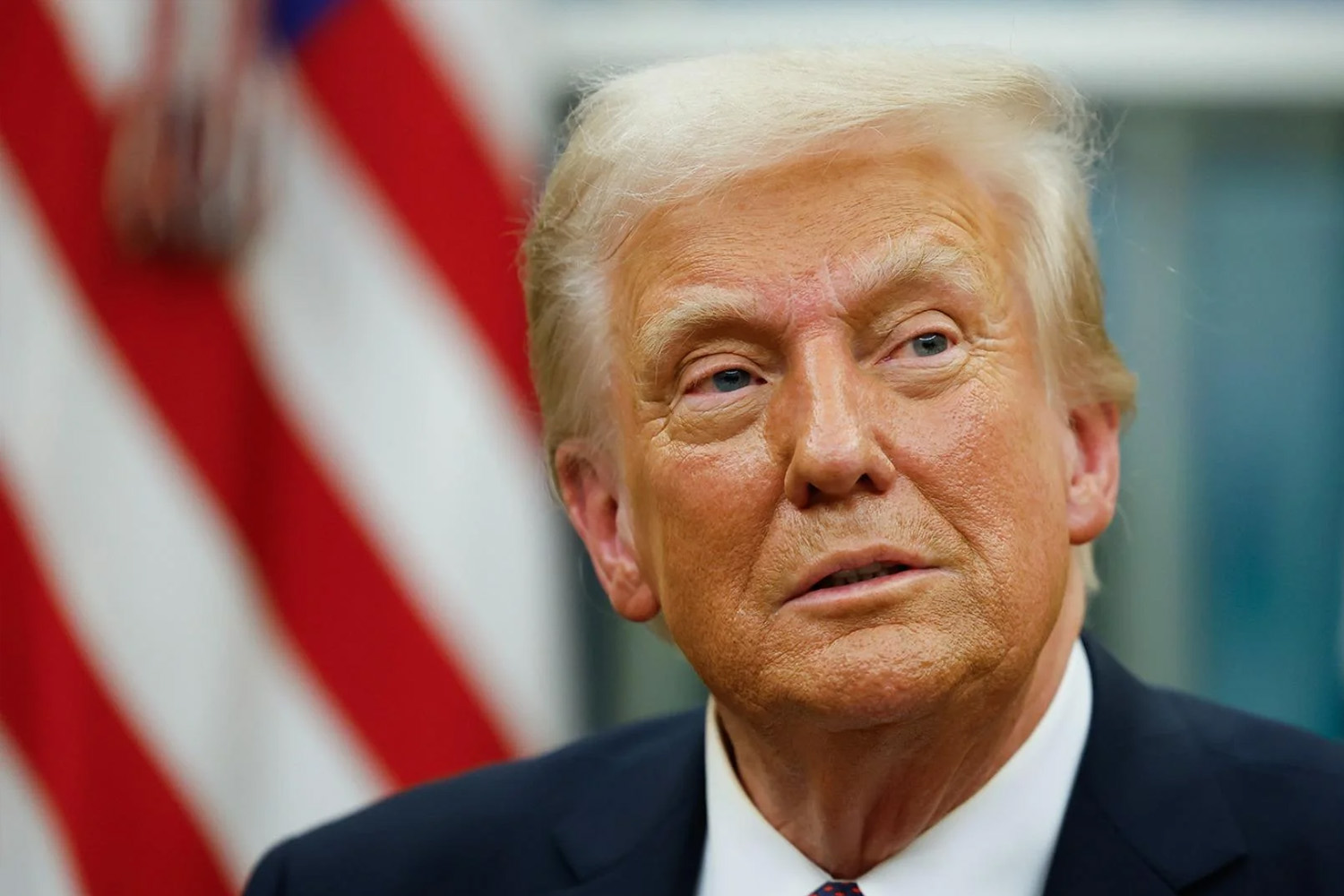
On 6 October 2025, U.S. President Donald Trump said he would want clarity about Ukraine’s plans for using long-range Tomahawk missiles before approving their supply. He commented that he has “sort of made a decision” but must ask what Ukraine intends to do with the weapons, how and where it will deploy them.
What Trump Is Saying & His Rationale
Trump emphasized that he does not want to escalate the conflict with Russia. He suggested that transparency about Ukraine’s intended use is essential before taking a final decision.
Although he did not rule out supplying the missiles, Trump’s stance signals caution, pointing to concerns about accountability, escalation risk, and strategic implications.
Background & Challenges Around Supplying Tomahawks
- What are Tomahawk missiles?
The Tomahawk is a U.S.-made long-range cruise missile capable of striking targets at distances up to 1,600 to 2,500 km, depending on variant. Its range means that, if supplied to Ukraine, it could reach deep into Russian territory, altering the strategic balance. - Feasibility and inventory constraints
Some U.S. officials and sources say supplying Tomahawks is unlikely due to limited inventory. The missiles are largely committed to U.S. Navy operations and other military needs. Others argue that while possible in theory, practical constraints would make large-scale supply difficult. - Russian reaction & escalation concerns
Russian President Vladimir Putin warned that delivering long-range missiles to Ukraine would “destroy” the improving trend in U.S.–Russia relations and constitute a serious escalation. The Kremlin has repeatedly cautioned that such a move would cross a red line. - Ukraine’s request & strategic intent
Ukrainian President Volodymyr Zelenskyy has asked for Tomahawks through intermediaries and European allies, with the idea that these weapons would enhance Kyiv’s ability to conduct deep strikes on Russian military and logistical nodes.
What This Means Going Forward
- Decision pending
Trump has not made a final decision yet — he is seeking clarity from Ukraine before approving delivery of Tomahawks. - Conditions likely to be imposed
If supplies are approved, they may come with strict conditions on where and how Ukraine may employ them to avoid uncontrolled escalation. - Alternative options
If Tomahawks are deemed too risky or costly, the U.S. may supply other long-range weapon systems or encourage European allies to transfer compatible missiles. Some reports already suggest U.S. officials view Tomahawk supply as unlikely. - Diplomatic balancing act
The decision implicates U.S. diplomacy, NATO coordination, and Russia’s responses. If Tomahawks are sent, Russia is likely to escalate rhetorically or militarily. - Strategic impact on battlefield dynamics
If permitted, use of Tomahawks by Ukraine could shift the war’s balance, allowing strikes deeper into Russia and affecting supply lines and command centers. But such capability also raises risks of retaliation and broader escalation.