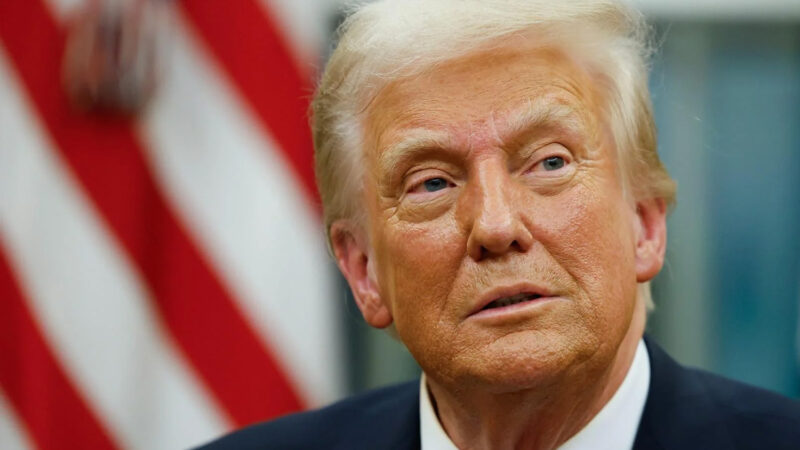
The conflict in Gaza has entered a new phase after Hamas announced on 3 October that it would accept parts of a peace plan proposed by U.S. President Donald Trump. The proposal includes handing over the administration of Gaza to an interim authority of independent technocrats, the release of hostages held by Hamas, and the launch of broader negotiations aimed at achieving a lasting ceasefire.
The move has been described as a significant breakthrough after months of deadlock and escalating violence. In response, Israeli Prime Minister Benjamin Netanyahu ordered a halt to the offensive in Gaza City, signaling a cautious opening toward diplomatic engagement under international pressure, particularly from Washington.
Negotiations are now focused on the details of implementing the plan. Talks are taking place in Cairo, involving Palestinian representatives, U.S. envoys, and other regional actors. While the acceptance of parts of the proposal is seen as a step forward, many challenges remain. Key questions include the composition of the transitional governing authority, guarantees for security on both sides, and the timeline for releasing hostages.
International reactions have been mixed. The United States welcomed the development as a path toward stabilizing the region, while European and Arab governments stressed the importance of ensuring that any transitional arrangement leads to a genuine political solution and not just a temporary pause in hostilities.
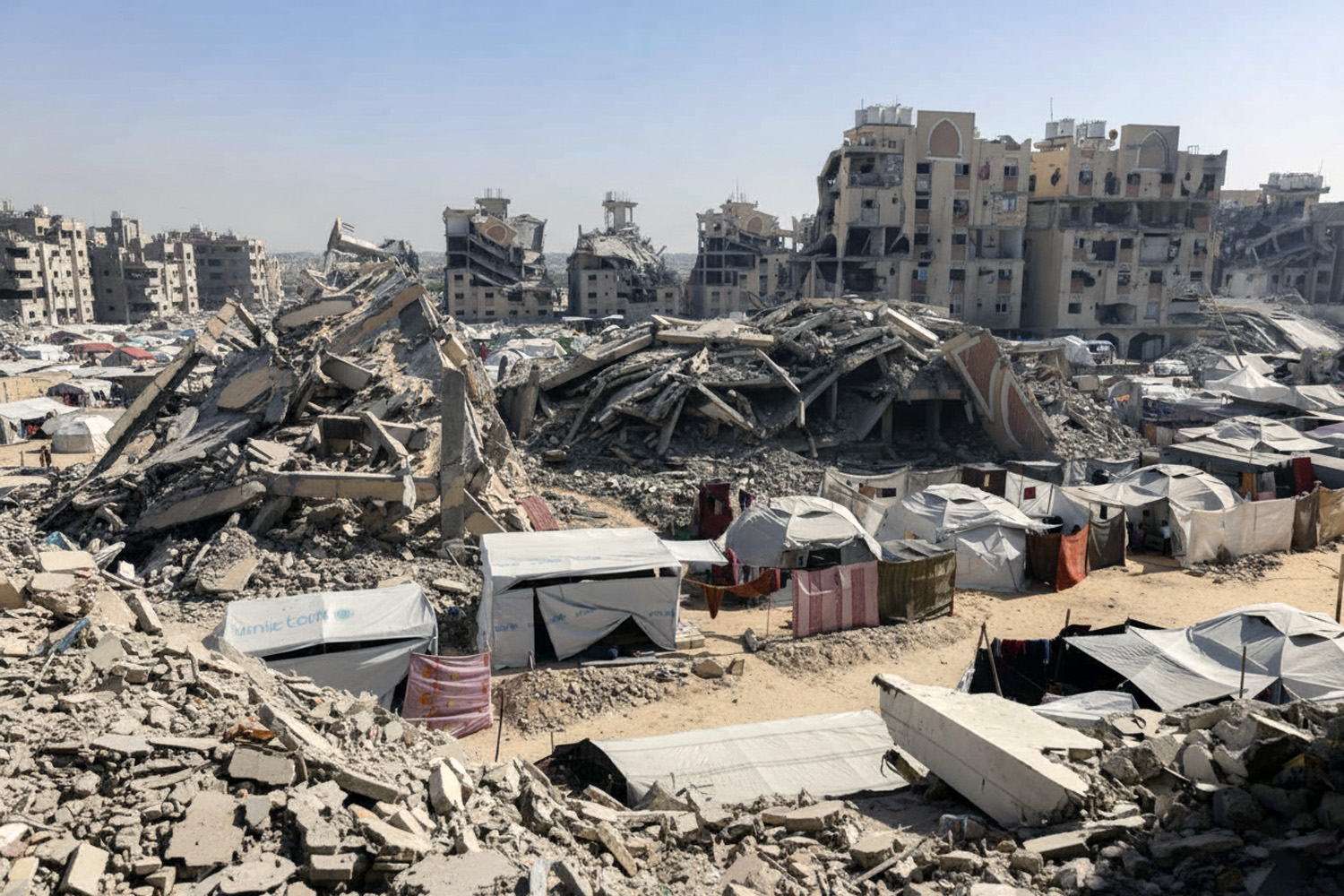
For Gaza’s population, which has faced devastating humanitarian consequences throughout the conflict, even the possibility of a ceasefire and new governance framework offers a glimmer of hope. However, the ultimate success of this peace initiative will depend on whether both sides can overcome deep mistrust and commit to sustained negotiations.