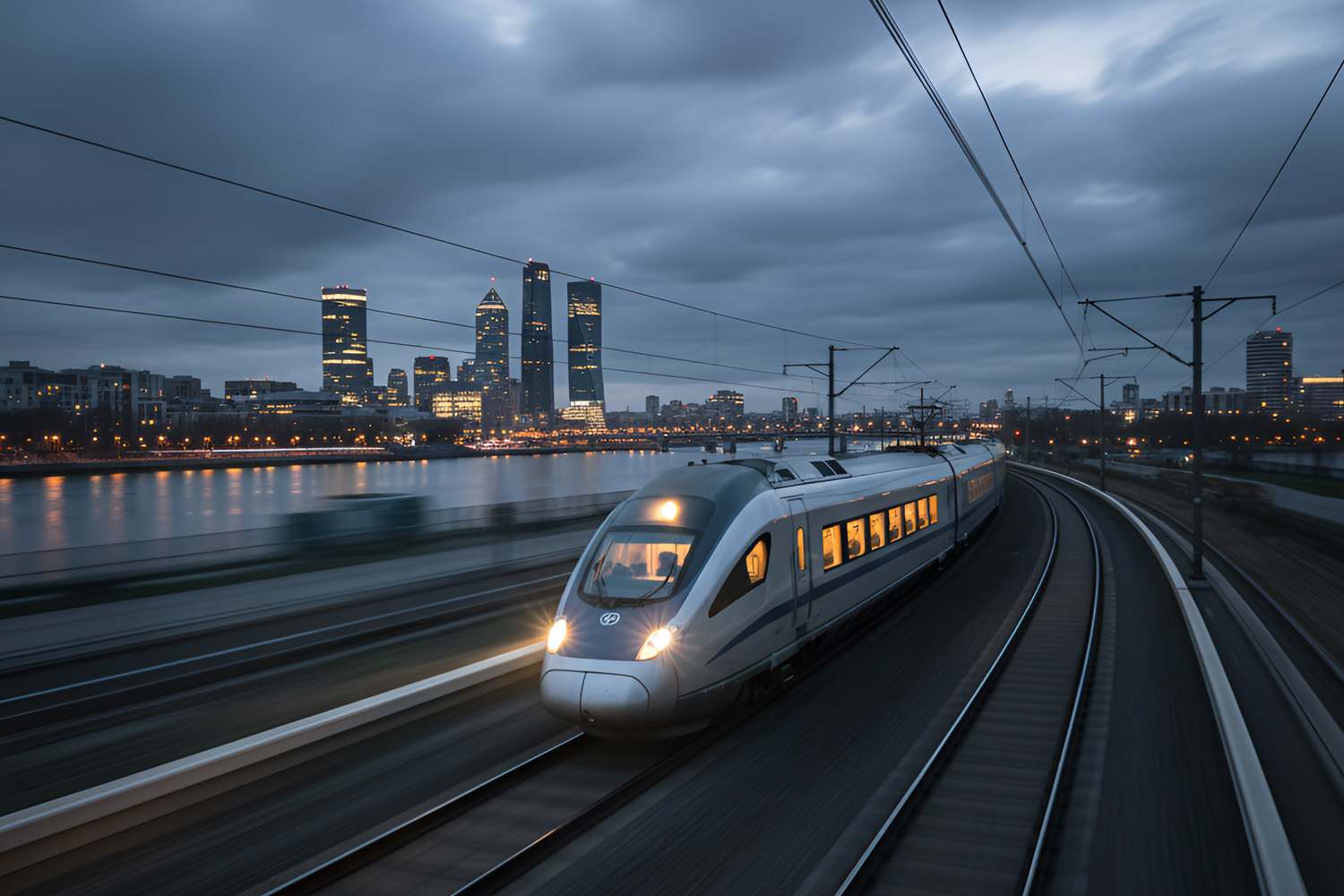
The European Commission has outlined a major investment ambition to modernise Europe’s rail infrastructure, aiming to mobilise up to €500 billion across the bloc to renew railway lines, increase connectivity and underpin economic integration. While a precise funding timeline and full financial breakdown are yet to be finalised, the announcement marks the most ambitious single-mode transport investment in recent years.
Why the rail modernisation push matters
According to Commission documents, Europe’s rail network remains fragmented by national systems, non-harmonised signalling and cross-border bottlenecks. Repairing and upgrading the network is seen as a way to:
- deepen economic ties between Member States, by enabling faster freight and passenger movement across borders;
- support the EU’s climate and mobility targets through shifting traffic from road to rail, thereby lowering emissions;
- promote regional cohesion, especially by linking less-connected regions to major corridors;
- enhance mobility of people and goods in a more resilient, efficient, and competitive transport system.
Key elements of the plan
- The Commission’s long-term strategy indicates funds will target high-speed corridors, upgrade of legacy tracks, cross-border connections, digital signalling systems (such as the European Rail Traffic Management System ERTMS) and modern rolling stock.
- Member States and the private sector will be expected to contribute alongside EU-level funding, forming public-private partnerships to scale up investment.
- The initiative builds on existing instruments such as the Trans‑European Transport Network (TEN-T) and the Connecting Europe Facility (CEF). Commission papers from previous years estimated investment needs of around €500 billion for the TEN-T network alone.
- The modernisation plan also emphasises digitalisation, interoperability across borders and reduced journey times between major cities as core outcomes.
Challenges & next steps
- Mobilising €500 billion of investment will require coordination between European, national, regional and private funding sources—but the precise mechanism and schedule remain to be fully defined.
- Implementation risks include cost overruns, complex cross-border regulatory frameworks and competition for budget allocations among infrastructure modes.
- The effectiveness of the investment will depend on governance, prioritisation of corridors, and ensuring that upgrades deliver measurable improvements in mobility and economy.
- Over the coming months, the Commission will publish detailed proposals, investment road-maps and possibly binding targets for Member States under this rail modernisation agenda.
Final word
The proposed €500 billion investment campaign signals a major shift in Europe’s transport policy—placing rail at the heart of future mobility, economic integration and sustainability efforts. If implemented effectively, it has the potential to reshape how Europeans travel and trade, strengthen regional links and support the continent’s transition to lower-carbon transport networks.