Brussels / Kyiv — In a decisive political moment on 24 February 2026, coinciding with the fourth anniversary of Russia’s full-scale invasion of Ukraine, European Union leaders reaffirmed their commitment to a €90 billion EU loan for Kyiv — even as Hungary blocked part of the programme at the last minute. European Commission President Ursula von der Leyen and European Council President António Costa visited Kyiv to underline continued political and financial support, insisting the loan will be delivered “one way or another” despite the veto by Hungarian Prime Minister Viktor Orbán.
The €90 billion package — agreed by EU leaders in December 2025 and intended to cover Ukraine’s financial needs through 2026–2027 — was designed as a record-breaking “loan facility” that would help Kyiv maintain its public finances, support essential services and sustain defence efforts while the war persists. However, implementation has hit a stumbling block because Hungary objected to one key legal step needed to activate the package, effectively delaying disbursement despite broad backing from other member states.
What’s Behind the Veto?
Budapest’s decision to block the loan reflects a diplomatic dispute tied to energy transit issues — specifically the Druzhba oil pipeline, which historically carried Russian crude through Ukraine to Hungary and Slovakia but has been out of operation following Russian strikes earlier in 2026. Hungarian officials have linked support for Ukraine to restoration of oil flows, prompting Kyiv and others in Brussels to accuse Budapest of “blackmail” and undermining EU unity.
While Hungary’s veto currently stands, it applies only to the part of the process that required unanimity — an amendment to the EU budget that would allow the Commission to borrow on capital markets to fund the loan. Other legislative pieces governing the loan structure have already passed using qualified majorities.
EU Leaders Promise Solutions
Despite the blockage, Von der Leyen vowed in Kyiv that the financial lifeline will still be delivered, saying the bloc has “different options” available under EU treaties to bypass or address the veto if necessary. António Costa echoed that decisions taken by the European Council must be upheld and cannot be thwarted by a single member state, reaffirming that Brussels will explore every legal path to honour commitments to Ukraine.
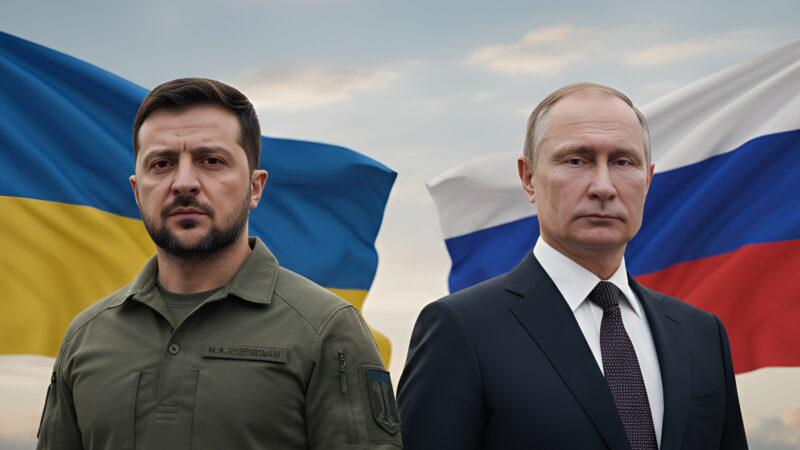
Ukrainian President Volodymyr Zelenskyy used the visit to call for sustained European financial, military and political support as the war enters its fifth year, underlining that failure to secure the loan in time could deepen Kyiv’s economic challenges. Analysts warn Ukraine’s budget has a looming funding gap in early spring if EU assistance is not unlocked.
Why It Matters
- Economic lifeline at stake: The €90 billion EU loan is one of Ukraine’s largest planned packages of external support and is critical to covering basic state functions — from pensions to defence — as Kyiv’s financial reserves dwindle.
- EU unity tested: Hungary’s decision has exposed fault lines within the bloc over how to balance solidarity with Ukraine against national political pressures, especially with Hungarian elections approaching.
- Legal and political pushback: EU leaders insist that mechanisms exist to keep aid moving even if unanimity proves elusive, reflecting a broader push to adapt EU decision-making in times of crisis.
- Impact on sanctions regime: The veto has also slowed approval of new sanctions on Russia, raising questions about the bloc’s collective leverage against Moscow.
The coming weeks will be crucial for both Brussels and Kyiv as legal workarounds are explored and political negotiations continue, with both sides emphasizing that European financial support for Ukraine must not falter.