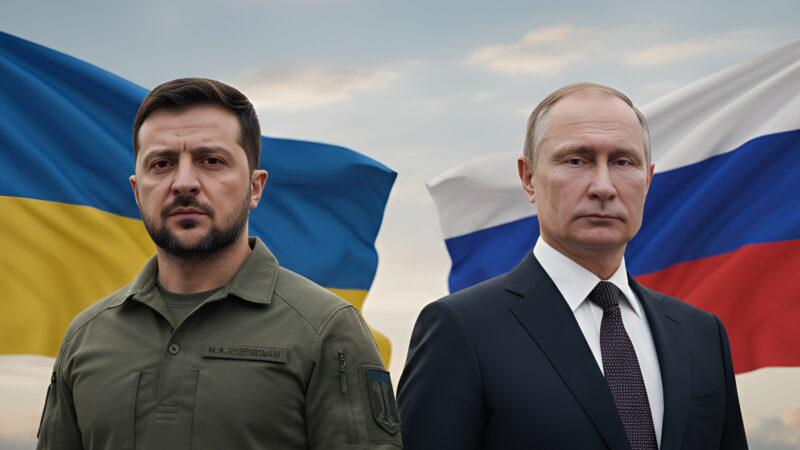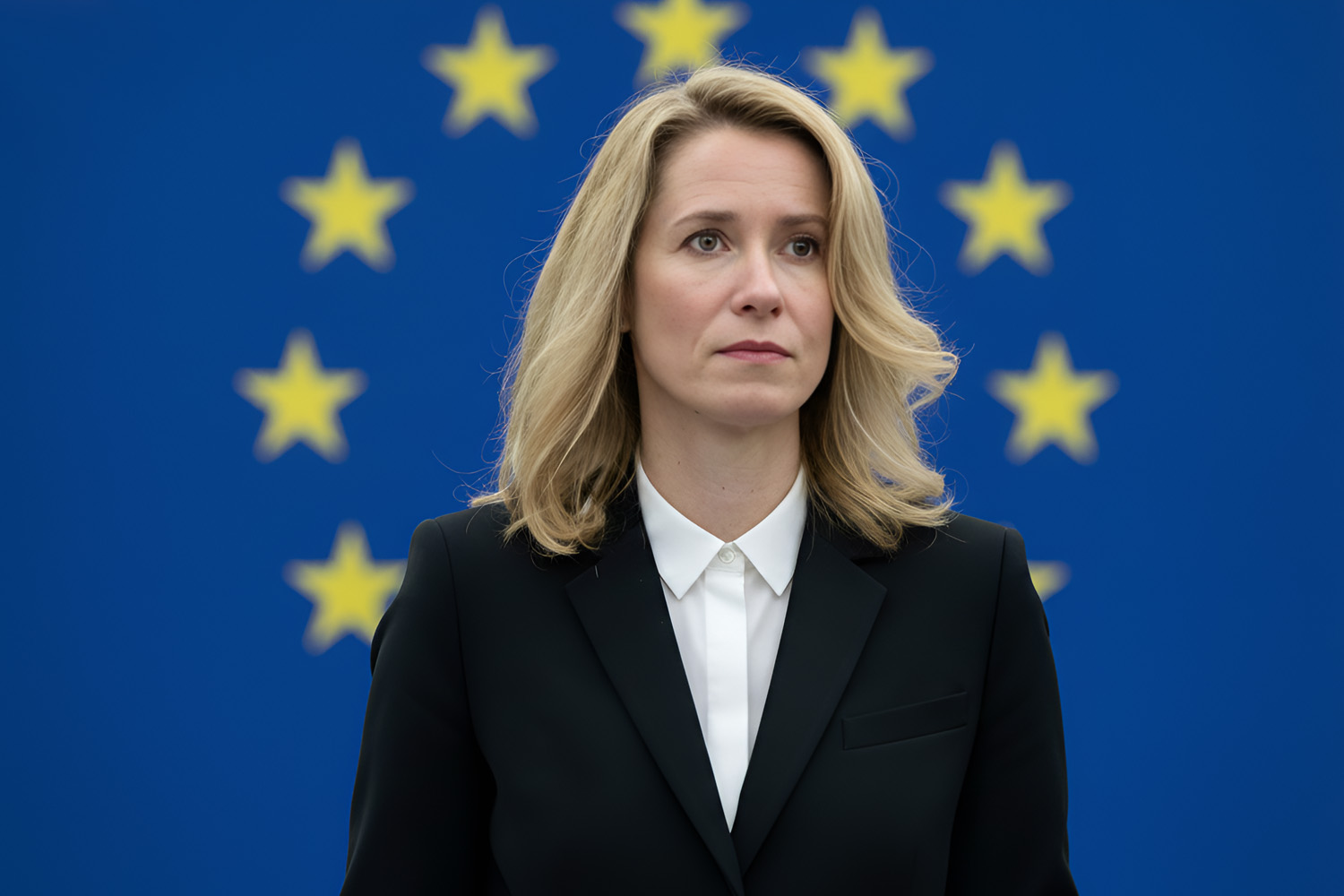
EU foreign policy chief Kaja Kallas has strongly pushed back on reports of a “28-point” U.S.–Russia peace blueprint for Ukraine, warning that any deal crafted behind Europe’s back will fail. Speaking to Euronews on 20 November 2025, she insisted that both Ukrainians and Europeans must be fully involved in any peace negotiations.
“For any peace plan to succeed, it has to be supported by Ukraine, and it has to be supported by Europe,” Kallas said.
She added that Russia’s recent draft appears to be “lip service” rather than a genuine effort for reconciliation.
Kallas described the EU’s own approach as a clear “two-point plan”: first, weaken Russia; second, support Ukraine. She argued that without Europe at the table, any agreement “will just simply fail … because the implementation is not there.”
Why the EU Is Worried
European capitals are alarmed that key diplomatic decisions could be made without them. According to Kallas, there was no European involvement in drafting the U.S.–Russia outline. She stressed that Europe’s role is not just symbolic — it’s essential for enforcing and implementing any peace deal.
At a meeting of EU foreign ministers in Brussels, she reiterated that Europe must not be sidelined again: “Different peace plans cannot work if the Europeans and Ukrainians do not agree,” she said.
On Pressure Over Russia
Kallas emphasized that the pressure must remain firmly on Russia, not on Kyiv. She argued that statements from Moscow now are mainly a public relations effort — unless real concessions follow, any outward-facing plan lacks credibility.
She also tied Europe’s leverage to financial tools: the EU is reportedly considering an unprecedented zero-interest reparations loan financed by frozen Russian assets. That, she says, is a way to sustain Ukraine’s defence — and send a signal to Russia that time is not on its side.
Why Kallas Thinks Previous Deals Failed
Kallas warned against quick-fix negotiations, pointing to past agreements such as Minsk, which she characterized as “dirty deals” made without durable guarantees. According to her, any deal reached in haste, without European and Ukrainian buy-in, risks perpetuating conflict rather than resolving it.
The Broader Implications
- European Unity at Stake: The controversy over being excluded from peace talks underscores a growing transatlantic rift. Kallas has repeatedly cautioned that division only strengthens Russia’s hand.
- Diplomatic Leverage: By demanding a role and proposing its own measures, the EU is signaling that it sees peace not just as an end to war but also as a way to shape post-war security architecture.
- Sanctions & Reconstruction: Kallas’s calls for tougher sanctions (especially on Russia’s “shadow fleet”) and creative uses of frozen Russian funds show Brussels is preparing for both short- and long-term pressure — not just a sudden diplomatic exit.
- Risk of Marginalization: Without a seat at the negotiating table now, Europe risks being sidelined in implementing any future agreement, reducing its influence and leverage in Ukraine’s reconstruction and security guarantees.
- Conclusion
- Kaja Kallas’s message is clear: any peace deal that excludes Europe and Ukraine is unlikely to last. By pushing for a meaningful role in diplomacy — and by tying its support to pressure on Russia — the EU is positioning itself as more than a back-seat observer. But the standoff over “who writes the peace” highlights just how fragile and contested any path to resolution remains.