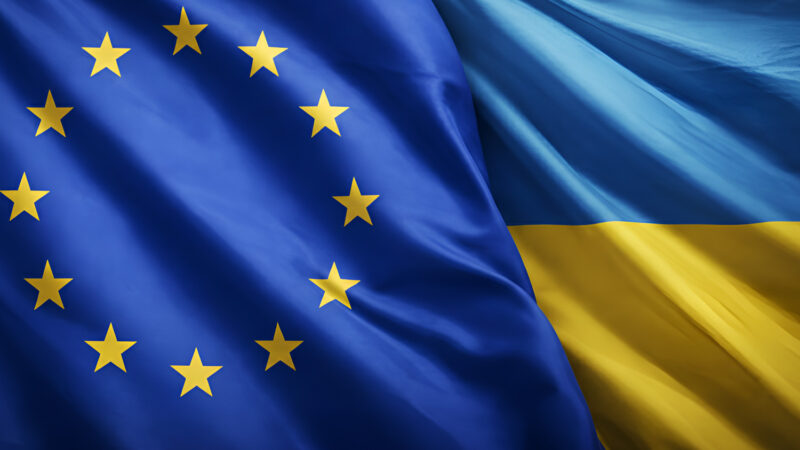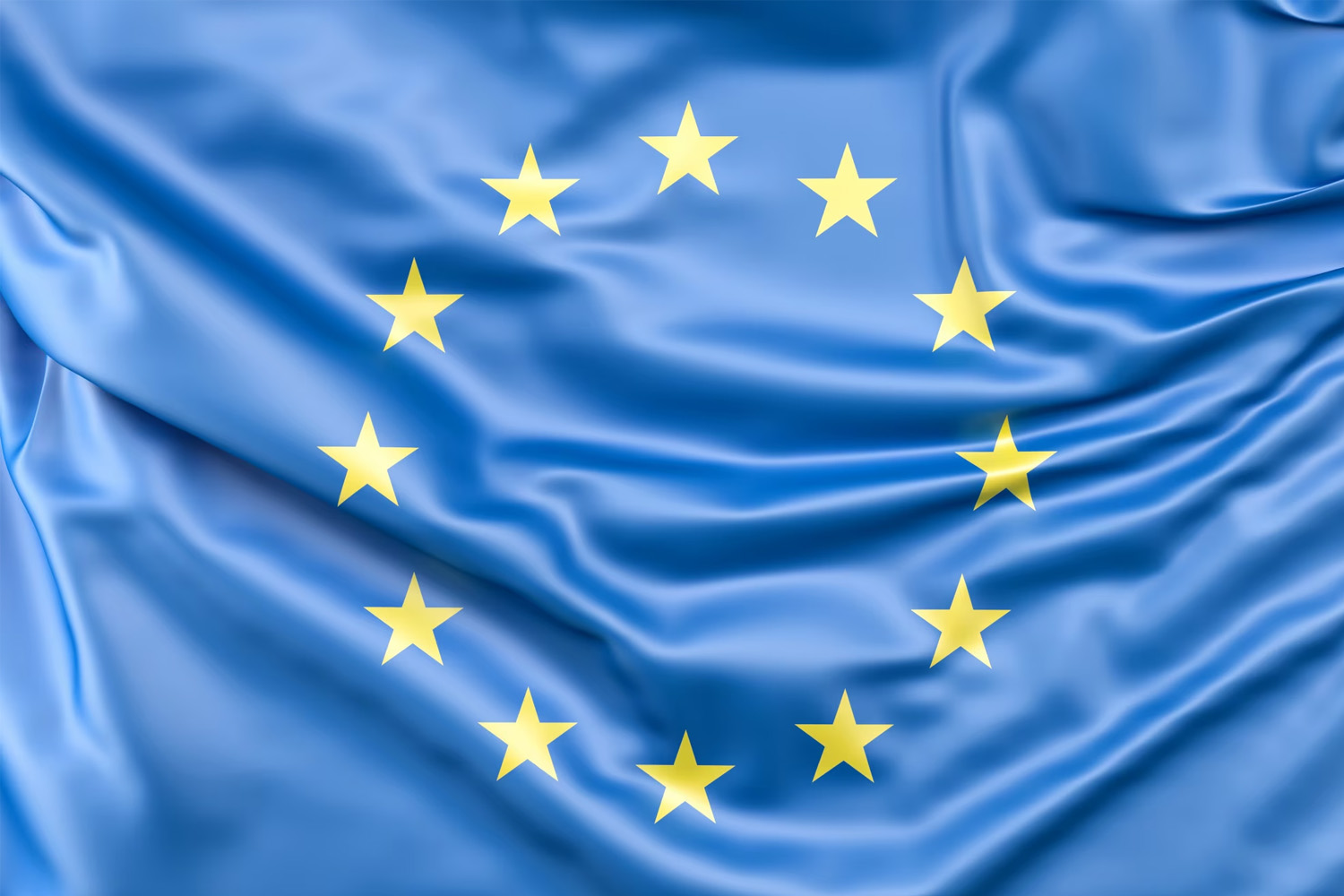
The European Union is reportedly considering a plan to admit new member states with limited voting rights as part of a broader reform aimed at making future enlargements more politically feasible. According to a report by Politico, such a proposal could help overcome resistance from some EU members, including Hungary, which has voiced strong opposition to Ukraine’s full accession.
The idea, currently being discussed among EU officials and policymakers, would allow candidate countries such as Ukraine, Moldova, and the Western Balkan states to join the Union in stages. Under this model, new members could initially gain access to parts of the single market, EU funding, and institutional participation, but without full voting power in the European Council or European Parliament.
This “gradual integration” approach is seen as a way to maintain momentum in the enlargement process while addressing concerns from existing members wary of rapid expansion. Analysts suggest it could serve as a compromise solution between countries pushing for Ukraine’s swift inclusion and those, like Hungary, that fear political or economic disruption.
Hungarian Prime Minister Viktor Orbán has repeatedly criticized the EU’s approach to Ukraine, citing corruption, governance challenges, and the ongoing war with Russia as major obstacles to membership. Other nations, including some in Western Europe, have also expressed reservations about granting Kyiv full membership rights too quickly.
EU officials quoted by Politico emphasized that discussions are still at an early stage and that no formal proposal has been tabled. However, the idea aligns with growing calls for institutional reform to make the 27-member bloc more adaptable to future enlargements. The European Council is expected to revisit the topic ahead of key summits in 2025, as Ukraine continues to push for accelerated integration.
Ukraine, which was granted EU candidate status in 2022, has been implementing a series of reforms related to the judiciary, anti-corruption, and economic governance in line with EU accession criteria. Despite ongoing conflict with Russia, Kyiv maintains that its place is within the European family and that enlargement should remain a geopolitical priority.
If adopted, the concept of “membership without full voting rights” would mark a significant shift in EU policy — potentially redefining how the Union expands in the coming decades. Supporters argue it could bring greater flexibility and stability, while critics warn it risks creating a two-tier Europe where some states remain permanently marginalized.
As the debate intensifies, the EU faces a delicate balancing act: maintaining unity among its current members while keeping the door open to countries seeking a European future.