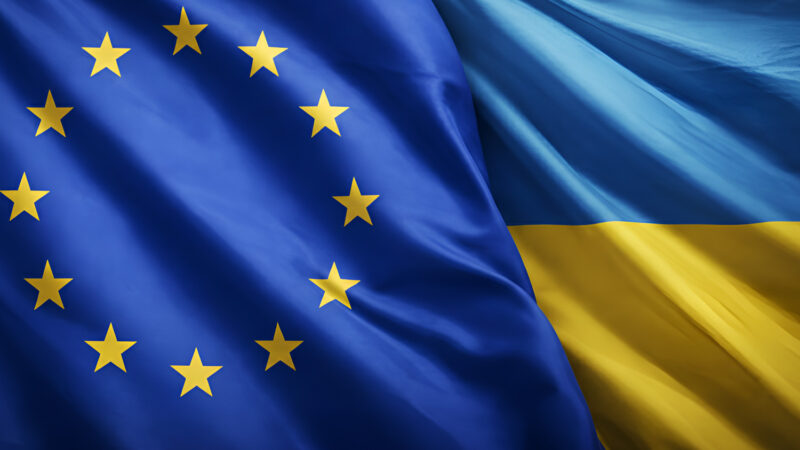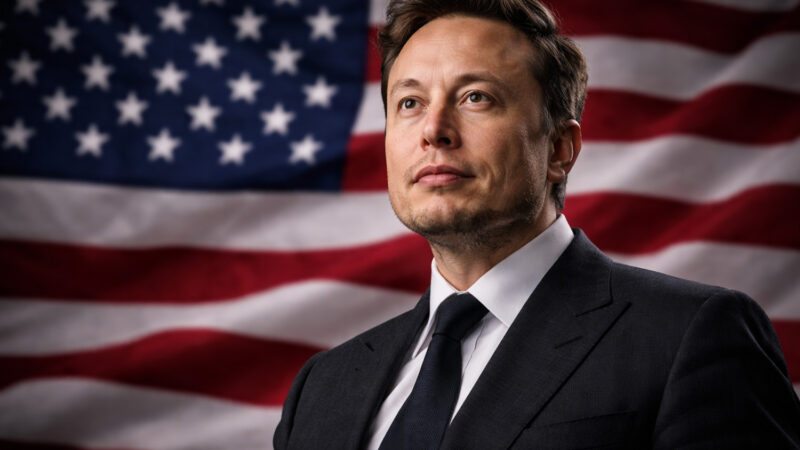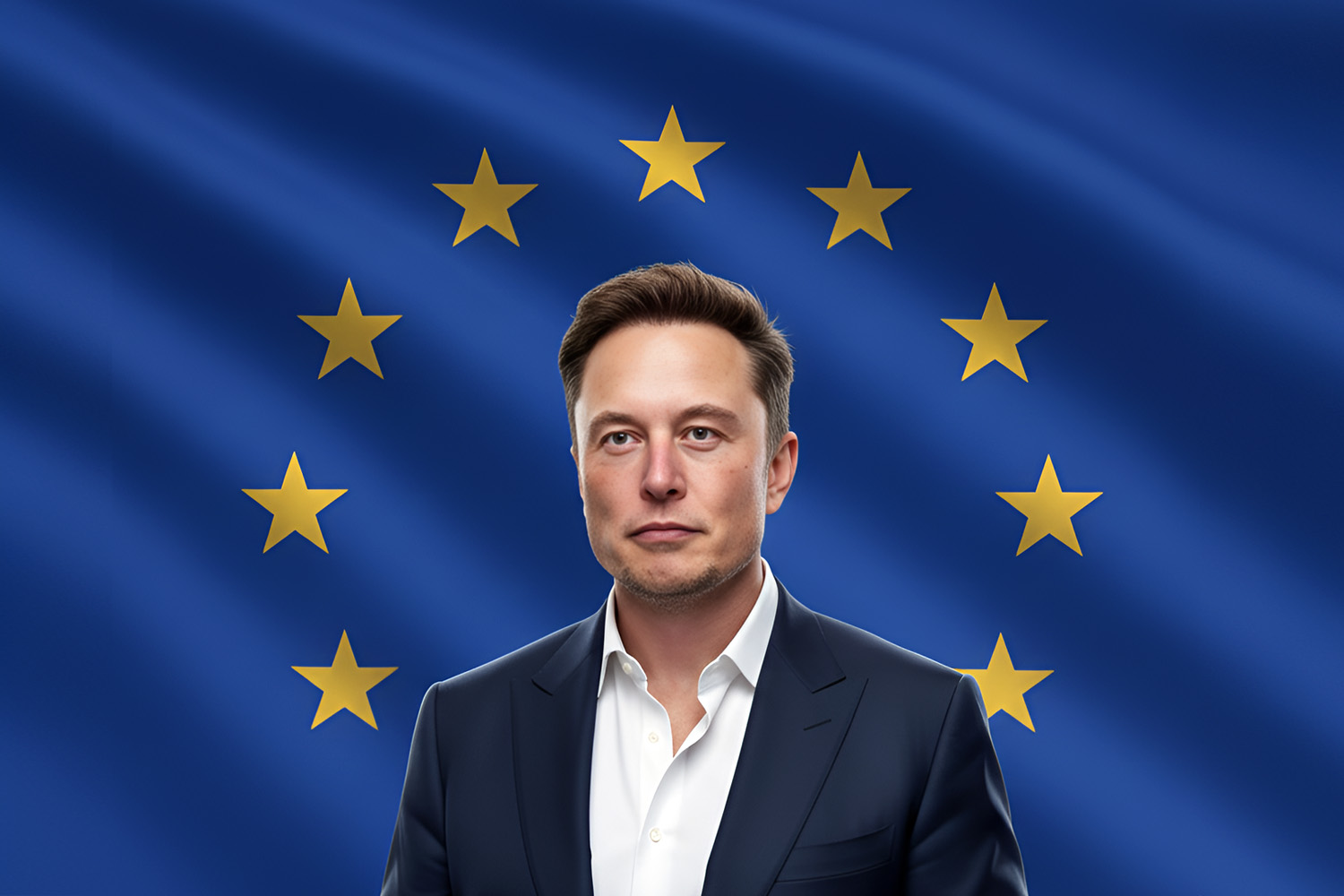
In December 2025, world-famous entrepreneur Elon Musk publicly called for the dissolution of European Union (EU), arguing that sovereignty should be returned to individual European nations so their governments can better represent their people.
What sparked Musk’s statement
The controversy began when the EU fined Musk’s social media platform X (formerly Twitter) €120 million (about US$140 million), citing violations of the bloc’s new regulation on technology platforms, the Digital Services Act (DSA). The fine was reportedly imposed because X’s “blue-checkmark” verification system was deemed misleading, its advertising transparency insufficient, and the platform failed to grant public-data access to researchers.
In response, Musk wrote on X:
“The EU should be abolished and sovereignty returned to individual countries, so that governments can better represent their people.”
He added that while he “loves Europe,” he does not believe in what he called “the bureaucratic monster that is the EU.”
Musk’s argument: Why abolish the EU?
According to Musk:
- He considers the EU an overly bureaucratic structure that undermines democracy, making policy and regulation decisions from a centralized bureaucracy in Brussels rather than from governments directly accountable to national populations.
- He argues that returning sovereignty to individual nations would allow governments to better reflect the will and interests of their citizens.
- His broader criticism frames the EU’s regulations — such as those under the Digital Services Act — as excessive constraints on technological innovation, free speech, and corporate freedom.
Reaction from the EU and others
The response from EU institutions was swift. A spokesperson for the European Commission described Musk’s call for abolition as “completely crazy statements,” while noting that freedom of speech protects even such radical claims.
Observers in Europe and beyond have interpreted Musk’s comments not merely as business-related frustration, but as a political intervention — a challenge to the very foundations of European integration at a sensitive moment for transatlantic relations.
What this means — and what remains uncertain
Musk’s public demand for the abolition of the European Union marks an escalation in his long-running battle with European regulators. Whether his statement will have actual political consequences remains uncertain — abolishing the EU would require serious political processes, broad public support across multiple countries, and radical changes to treaties and national laws.
Meanwhile, the fine against X under the Digital Services Act signals a strengthening of EU regulatory resolve toward large tech platforms. Whether other companies similarly targeted will provoke comparable reactions remains to be seen.
Ultimately, Musk’s critique adds a new voice — albeit controversial — to ongoing debates across Europe about national sovereignty, supranational regulation, digital freedom, and the balance between collective governance and national autonomy.