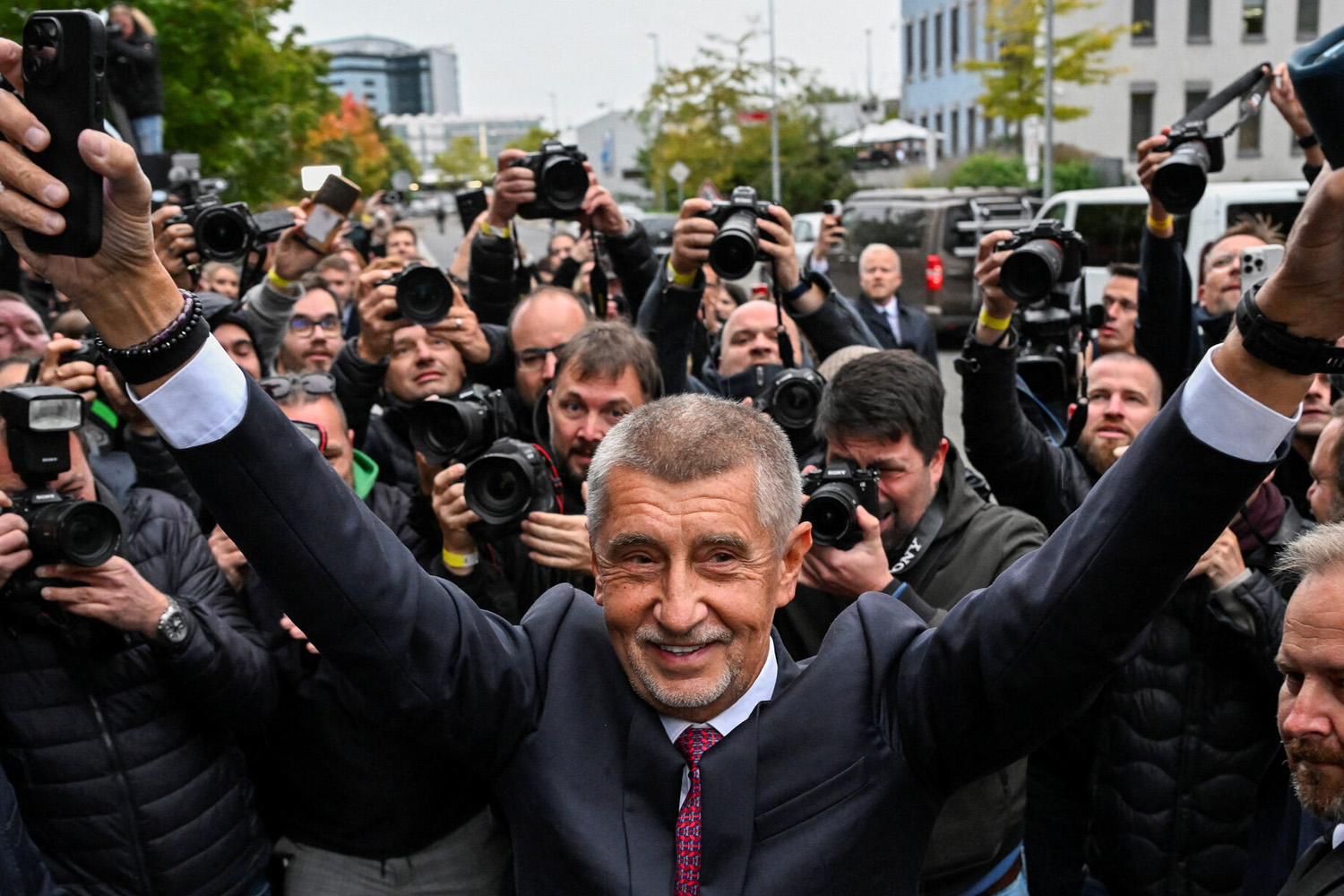
From 3 to 4 October 2025, the Czech Republic held parliamentary elections to fill all 200 seats in the Chamber of Deputies, the lower house of the national legislature. These elections come at a pivotal moment for the country’s political direction, particularly regarding foreign policy, economic priorities, and domestic governance.
Electoral Context & Leading Parties
- The ANO party (translated as “Action of Dissatisfied Citizens”), led by former Prime Minister Andrej Babiš, entered the election as the front-runner.
- The incumbent SPOLU coalition, consisting of centre-right parties (Civic Democrats, TOP 09, Christian Democrats), led by current Prime Minister Petr Fiala, sought re-election on a pro-European, pro-Ukraine platform.
- Other notable parties include:
SPD (Freedom and Direct Democracy), a right-wing, Eurosceptic party advocating less cooperation with the EU and NATO.
The Motorists party, a newer formation which has drawn attention in the election context.
STAN (Mayors and Independents) and the Pirates party, which have been part of the outgoing governing coalition.
A key feature of the 2025 election is that for the first time, Czech citizens living abroad can vote by mail in the parliamentary election, provided they register in advance.
Election Results & Parliamentary Balance
Preliminary results confirm a strong showing for ANO, which secured roughly 80 out of 200 seats, making it the largest single party but falling short of an outright majority.
To form a functioning government, ANO must negotiate with smaller parties. It is reportedly in talks with SPD and the Motorists party, both of which demand ministerial roles in any coalition.
President Petr Pavel, who plays a role in approving ministers and governments, has signaled he may veto any appointees whose policies threaten Czechia’s pro-EU and pro-NATO orientation.
Political Implications & Challenges
Foreign policy & Ukraine aid
One of the central campaign themes was Czech support for Ukraine. The outgoing government under Fiala had actively supported Ukraine through aid and diplomatic alignment.
Babiš has promised to scale back military aid and reorient policies more toward domestic priorities.
Analysts worry this may weaken Czechia’s role within EU and NATO frameworks, especially given rising geopolitical tensions in Europe.
Governance, stability & legal risks
Babiš faces significant obstacles beyond politics. He is currently entangled in legal proceedings, including subsidy fraud charges related to his business empire Agrofert.
Coalition negotiations are expected to be protracted and difficult. Some parties insist on ministerial portfolios and policy concessions.
The combination of a fragmented parliament, legal overhangs, and divergent policy priorities raises risk of governmental instability or early elections if the coalition breaks down.