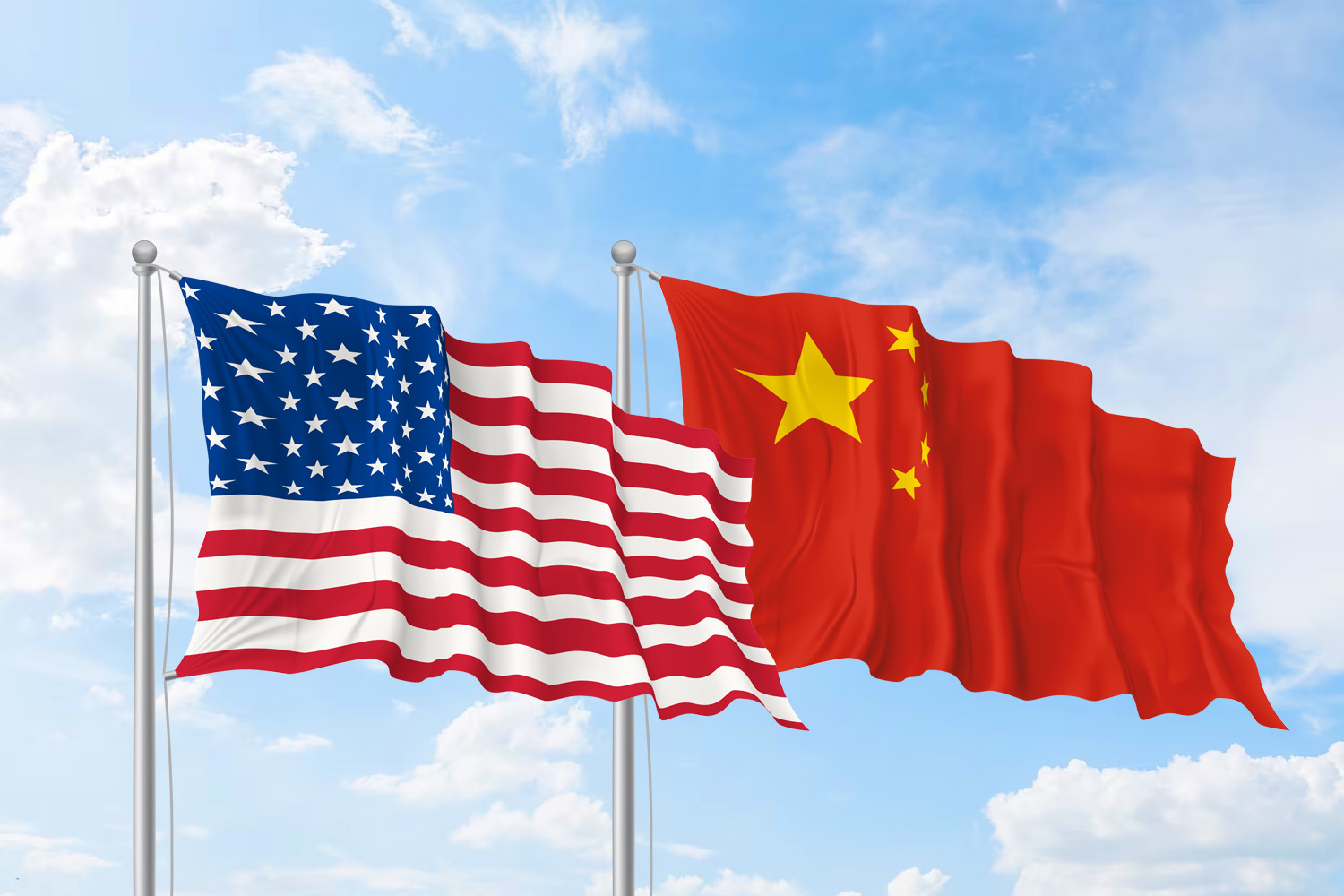
In a bold and unexpected move, China has reportedly offered to invest up to $1 trillion in the United States — if Washington agrees to roll back key restrictions on Chinese investment and ease tariffs on inputs used by Chinese-owned factories operating in America.
The proposal marks a sharp departure from the tense, security-driven posture that has defined U.S. policy toward Chinese capital for more than a decade. It also signals Beijing’s willingness to leverage capital inflows as a tool of diplomacy and economic statecraft.
What is behind the offer?
At its core, China’s offer is conditional. Reports indicate that Beijing is linking the $1 trillion investment pledge to two major concessions from Washington:
- Relaxation of U.S. national security restrictions
Chinese negotiators are demanding that Washington ease the rigorous screening and outright bans imposed by bodies such as the Committee on Foreign Investment in the United States (CFIUS), especially in sensitive sectors. - Lower tariffs on inputs for Chinese-owned U.S. factories
To support operations of these factories, China wants the U.S. to reduce import duties on raw materials or intermediate goods that Chinese companies would need to import.
According to sources familiar with the negotiations, the idea was raised during trade talks held in Madrid in September 2025, where the two sides had already secured a framework agreement to maintain the Chinese social media platform TikTok’s operations in the U.S. under American oversight.
One insider said the $1 trillion figure was floated earlier in the year, though the actual size and structure of any accepted deal remain uncertain.
Why is China doing this now?
There are several possible motivations behind China’s dramatic proposal:
- Resetting bilateral economic relations
Chinese officials appear eager to shift the tone with the U.S. from confrontation to cooperation. Offering massive capital might help reshape the framework for U.S.–China trade and investment, and reduce frictions over tariffs and technology. - Reviving Chinese outbound investment
Chinese investment in the U.S. has dwindled sharply. In the first half of 2025, Chinese firms made only $2.1 billion in U.S. direct investment, down from a 2016 peak of $57 billion.
A favorable deal with the U.S. could reenergize capital flows abroad, supporting Chinese global strategy.
- Strengthening China’s leverage and prestige
A billion-dollar proposal carries symbolic weight. It sends a signal that China is not merely responding defensively, but is willing to drive new terms in the bilateral relationship. - Promoting domestic economic goals
While the offer is outward-looking, it may also help China meet internal economic and industrial goals, such as securing technology access, expanding supply chains, and improving its global reach in value chains.
Risks, obstacles, and skepticism
Despite its boldness, China’s proposal faces steep hurdles:
- U.S. political and security resistance
Many U.S. lawmakers and national security officials remain deeply skeptical of Chinese capital inflows. Critics argue China “routinely cheats” in commercial practices and warn that loosening investment restrictions would enable strategic leverage over American industries.
Representative John Moolenaar, chairman of the House Select Committee on China, called the idea “a huge concession to Beijing.”
- Unclear structure and commitment
The precise terms, timing, and enforceability of any investment are not yet defined. The $1 trillion figure may be aspirational rather than binding. - Sectoral and national security limits
Even under relaxed rules, sensitive sectors—such as semiconductors, defense, AI, or telecommunications—are likely to remain heavily restricted. - Domestic political backlash
Accepting Chinese investment on a large scale would be politically controversial in the U.S., especially given fears over dependence on strategic rivals. - Geopolitical risk environment
Global uncertainties—over supply chains, alliances, and technology competition—could make both sides wary of committing to sweeping deals.
What would change if the deal went through?
If Washington accepted China’s offer under favorable terms, the consequences could be profound:
- New capital inflows into U.S. industries
Infrastructure, manufacturing, green energy, and even consumer sectors could see Chinese-backed projects and partnerships. - Rewritten rules for foreign investment
U.S. institutions like CFIUS would face pressure to reinterpret national security criteria, potentially setting new precedents for foreign ownership oversight. - Supply chain integration
A successful deal might accelerate “factory-in-America” strategies by Chinese firms using U.S. inputs and labor, while still leveraging Chinese component supply lines. - Shift in U.S.–China economic balance
The proposal would tilt the metaphorical dance steps: from China being mostly a recipient of U.S. markets and capital to becoming a significant capital exporter to the United States. - Global ripple effects
Other countries would watch closely. Some might loosen their own investment restrictions to attract Chinese capital. Others might tighten them in reaction. The rules of cross-border capital flow would be reexamined.
Deal, delay, or deadlock?
At this stage, the offer is more gambit than agreement. It remains to be seen whether the Trump administration and Congress will seriously entertain such sweeping concessions to Beijing. The coming weeks and months of trade diplomacy, internal U.S. political debate, and sectoral negotiation will determine if this becomes a landmark deal—or just a headline.
For now, China’s trillion-dollar pitch stands as a provocative turning point in U.S.–China relations — one that both sides will test with caution, calculation, and high stakes.