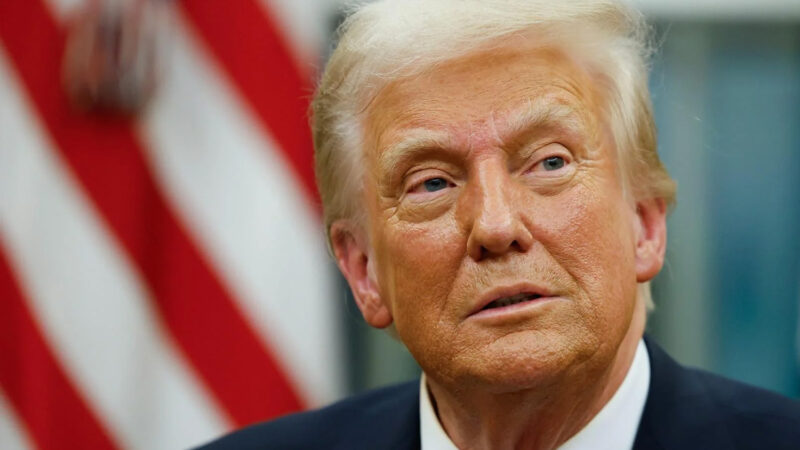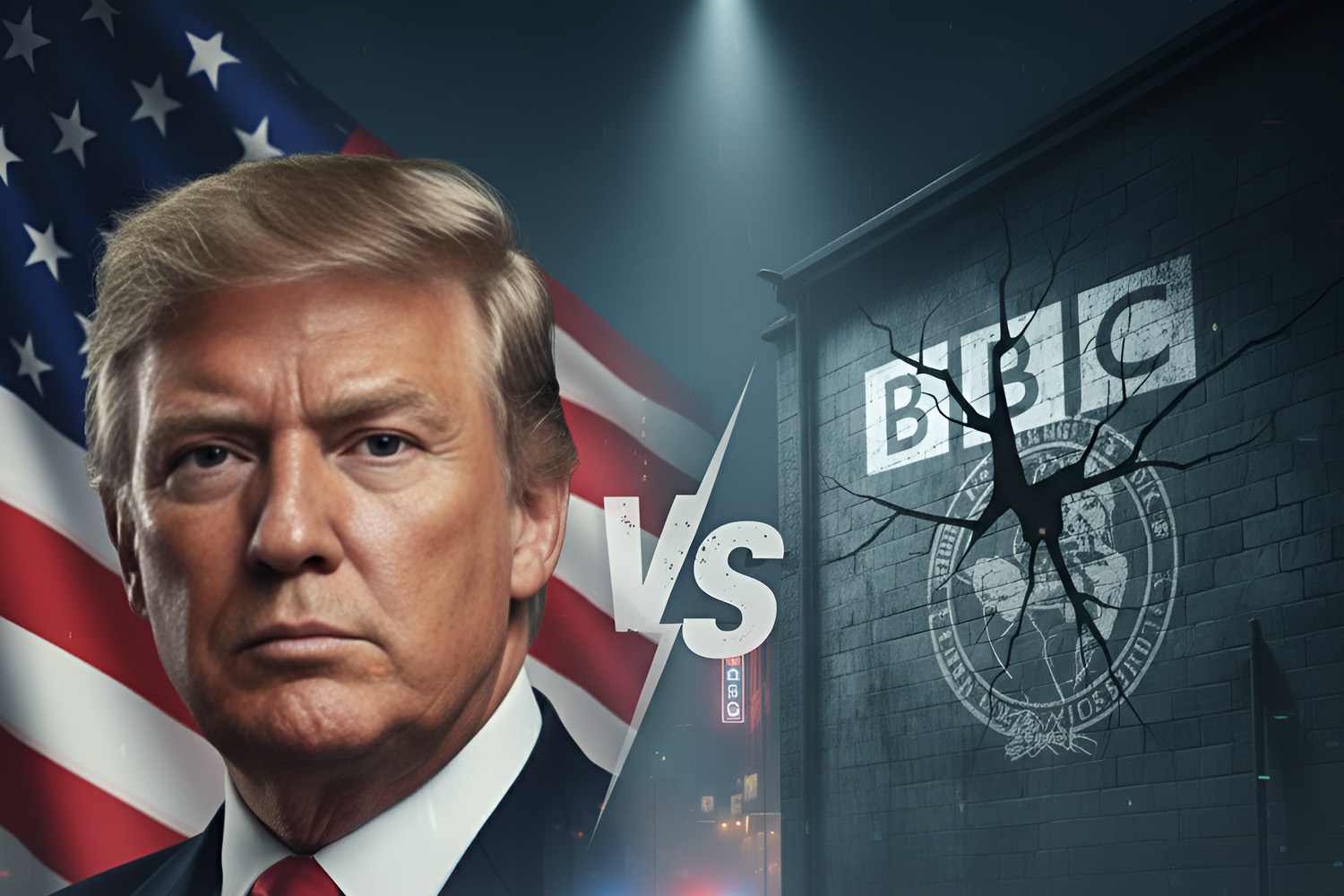
The BBC is facing its biggest leadership and reputational crisis in years after President Donald J. Trump threatened a $1 billion lawsuit over the broadcaster’s handling of a section of his January 6, 2021 speech — and the BBC’s Director-General Tim Davie and head of news Deborah Turness resigned amid the controversy. The row has ignited intense political scrutiny in the UK, raised questions about editorial standards at public broadcasters, and created diplomatic friction between the U.S. and Britain.
What happened — the basics and timeline
- A leaked internal memo from Michael Prescott, a former external adviser to the BBC’s Editorial Standards Board, alleged that a 2024 Panorama documentary edited two passages of Mr. Trump’s speech in a way that made it appear he encouraged the Capitol riot on January 6. The memo also raised broader concerns about the BBC’s coverage of other politically sensitive issues.
- In the days that followed the memo’s leak, the BBC’s two most senior executives — Director-General Tim Davie and BBC News CEO Deborah Turness — offered their resignations amid mounting criticism. The BBC Chair, Samir Shah, apologised for the edit and called it an “error of judgment.”
- President Trump’s legal team sent the BBC a letter demanding a retraction, apology and compensation; Trump publicly said he had an “obligation” to sue and set out a potential claim of $1 billion in damages. The President has spoken on the matter to U.S. media and praised the executives’ resignations.
Political fallout in the UK
The scandal quickly became a parliamentary issue. UK Culture Secretary Lisa Nandy told MPs she does not have the legal power to remove former Conservative adviser Sir Robbie Gibb from the BBC board — despite cross-party calls for his ouster over alleged political influence. The situation has prompted heated Commons exchanges and renewed debate about the composition and independence of the BBC board ahead of the corporation’s next Royal Charter review.
Legal and editorial issues at stake
- Defamation claim complexity: For a public-figure defamation suit brought by a serving head of state, legal hurdles vary between jurisdictions. A $1bn demand is politically and legally dramatic; legal experts note that such claims involve high standards of proof, and outcomes turn on whether edits materially altered meaning and caused quantifiable harm.
- Editorial standards and process: The Prescott memo alleged procedural failings and selective editing; the BBC has acknowledged the error and launched internal reviews while the board and senior managers face calls to demonstrate stronger editorial oversight.
Reactions: public, political and international
- Public opinion: Polling reported in UK media indicated many Britons believe the BBC should apologise for the edit; at the same time, staff and defenders of public broadcasting warned against politicising the corporation’s editorial independence.
- Political voices: Opposition and cross-bench MPs have urged swift action to safeguard impartiality; some Conservative figures called for apologies and accountability, while several Labour MPs defended the BBC’s role but demanded reforms.
- U.S. dimension: With the complainant the sitting U.S. President, the dispute has diplomatic traction — legal threats from the White House and public commentary by President Trump have heightened tensions and brought the issue into transatlantic headlines.
Why it matters
This episode highlights three broader risks:
- Media-state fault lines — how political actors can pressure public broadcasters and the challenge of preserving editorial independence.
- Global diplomacy — when a head of state sues a foreign public broadcaster, it elevates what might otherwise be a domestic media dispute into an international incident.
- Public trust in journalism — allegations of selective editing damage credibility at a time when trust in media institutions is fragile.
What happens next
- The BBC board has launched internal reviews and will face parliamentary scrutiny; the corporation must decide how to address Prescott’s findings and rebuild trust internally and with audiences.
- Legal proceedings: if President Trump’s legal team files suit, the BBC will need to defend its editorial decisions in court — a complex, high-stakes legal battle likely to play out across jurisdictions and to attract global media attention.
- Governance reform: pressure for changes to the BBC board’s appointments process and for clearer safeguards around editorial oversight will intensify as the corporation prepares for its next charter review.
Bottom line
The dispute over the Panorama edit has cascaded from an internal standards memo into a national crisis at the BBC and an international flashpoint — fuelled by a $1bn legal threat from U.S. President Donald Trump, senior resignations, and cross-party political uproar. How the BBC responds — legally, editorially and institutionally — will shape public broadcasting’s future credibility in the UK and how state-media relations evolve worldwide.