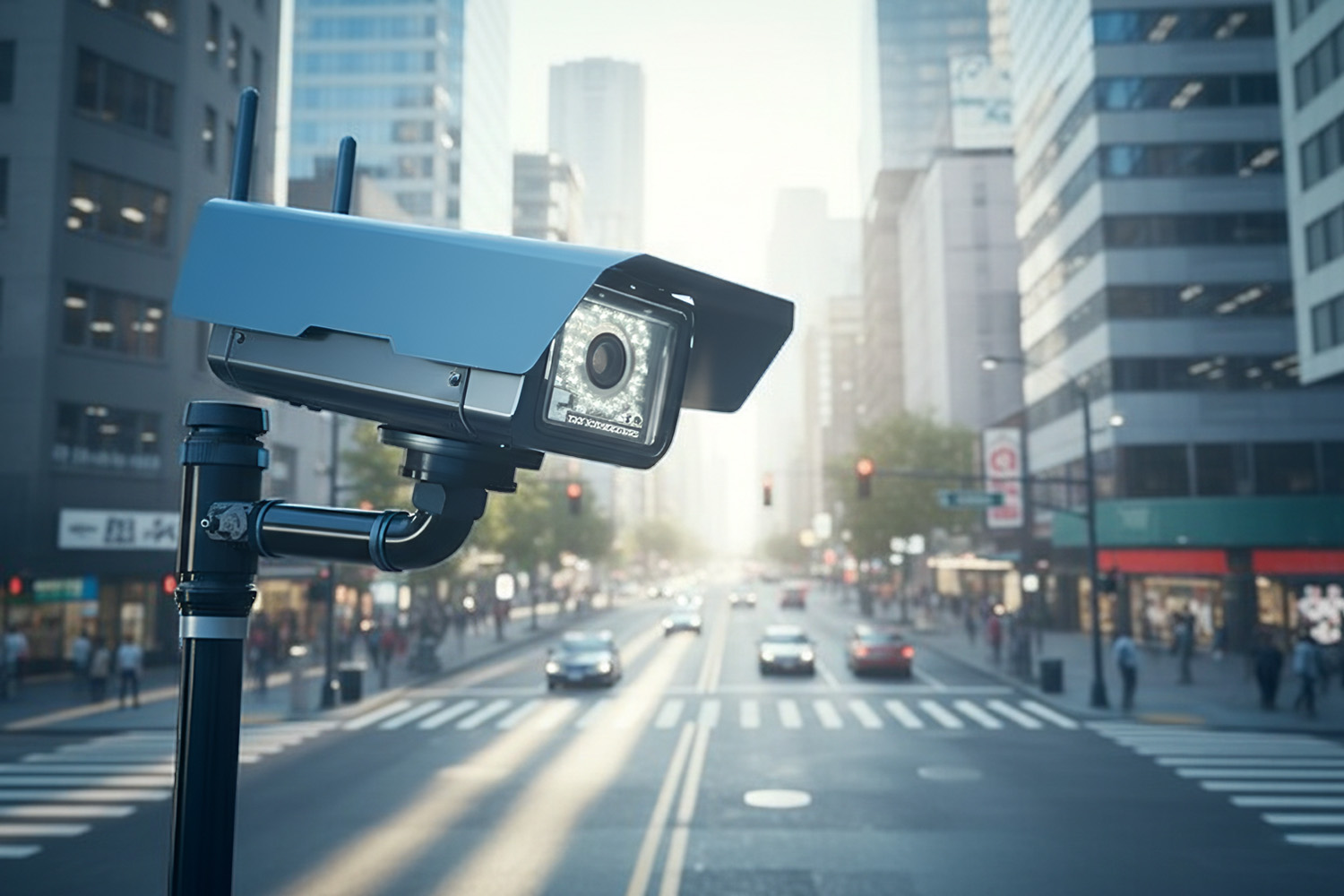
As cities around the world adopt smart technologies to improve efficiency, safety, and sustainability, the use of digital surveillance systems has become one of the most debated ethical issues of the modern urban age. Smart cities rely on interconnected technologies such as sensors, cameras, facial recognition, and data analytics to manage traffic, reduce crime, optimize energy use, and enhance public services. While these systems offer tangible benefits, they also raise serious questions about privacy, civil liberties, and the balance between security and freedom.
How Surveillance Powers Smart Cities
Smart city infrastructure depends heavily on data collection. Public cameras monitor traffic flow and crime hotspots, sensors track air quality and energy usage, and mobile data helps city planners understand population movement. These tools allow authorities to respond more quickly to emergencies, improve public transportation, and allocate resources more efficiently.
In theory, surveillance technologies help create safer and more livable cities. For example, real-time monitoring can reduce congestion, detect accidents, and support law enforcement in preventing serious crime. However, the same systems can also track individuals’ movements and behaviors on an unprecedented scale.
Privacy and Data Protection Concerns
The central ethical concern surrounding smart city surveillance is how personal data is collected, stored, and used. Even when data is anonymized, advanced analytics can sometimes re-identify individuals by combining multiple data points. This raises fears of constant monitoring and the erosion of personal privacy in public spaces.
Critics argue that without strict oversight, surveillance systems can lead to mass data accumulation that exceeds their original purpose. Data collected for traffic management, for example, could later be accessed for unrelated monitoring or commercial use. Questions also arise about who owns the data — governments, private technology companies, or citizens themselves.
Safety Versus Freedom
Supporters of smart surveillance emphasize its role in public safety, arguing that citizens are more willing to accept monitoring if it reduces crime and improves emergency response. Opponents counter that security should not come at the cost of fundamental freedoms, warning that widespread surveillance can normalize constant observation and discourage free expression and assembly.
This debate is particularly intense when technologies such as facial recognition are deployed. While these tools can assist in identifying suspects, they also raise concerns about misidentification, bias, and the potential targeting of specific groups.
Transparency and Accountability
Ethical smart city development depends on clear governance frameworks. Transparency about what data is collected, how long it is stored, and who can access it is essential to maintaining public trust. Independent oversight, legal safeguards, and clear limitations on surveillance use are widely viewed as necessary measures to prevent abuse.
Public participation also plays a crucial role. When residents are informed and involved in decision-making, smart city initiatives are more likely to reflect societal values rather than purely technological priorities.
The Future of Ethical Smart Cities
As urban populations grow and technology becomes more embedded in daily life, the challenge is not whether surveillance will exist, but how it will be governed. Ethical smart cities aim to harness technology to improve quality of life while respecting individual rights and democratic principles.
Striking the right balance between innovation, safety, and privacy will define the success of smart cities in the coming decades. The ongoing debate highlights the need for responsible design, strong regulation, and continuous public dialogue to ensure that progress does not come at the expense of freedom.