Elections have always reflected the spirit of their time — and in the digital age, technology has become one of the most powerful forces shaping democracy. From AI-driven campaign strategies to the viral spread of misinformation, the way citizens engage with politics has fundamentally changed. As countries around the world prepare for new election cycles, understanding how artificial intelligence and social media influence democratic processes is more important than ever.
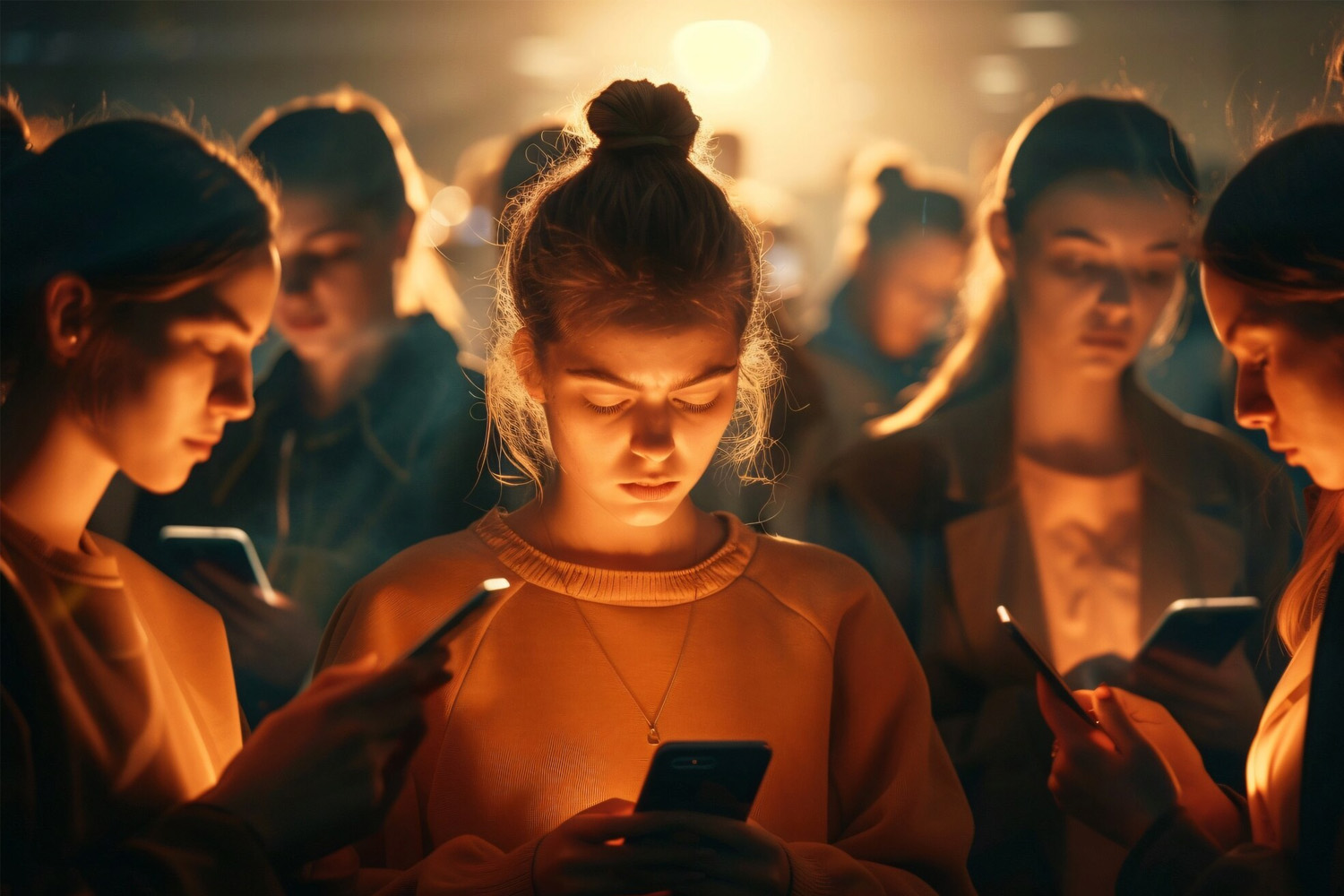
The rise of social media platforms has revolutionized political communication. Candidates and parties now reach millions of voters directly, bypassing traditional media filters. This has democratized access to information — but it has also blurred the line between truth and manipulation. According to a 2024 report by the Pew Research Center, more than 60% of adults in developed economies now get political news primarily from social media. However, these platforms’ algorithms often prioritize engagement over accuracy, amplifying emotionally charged or polarizing content.
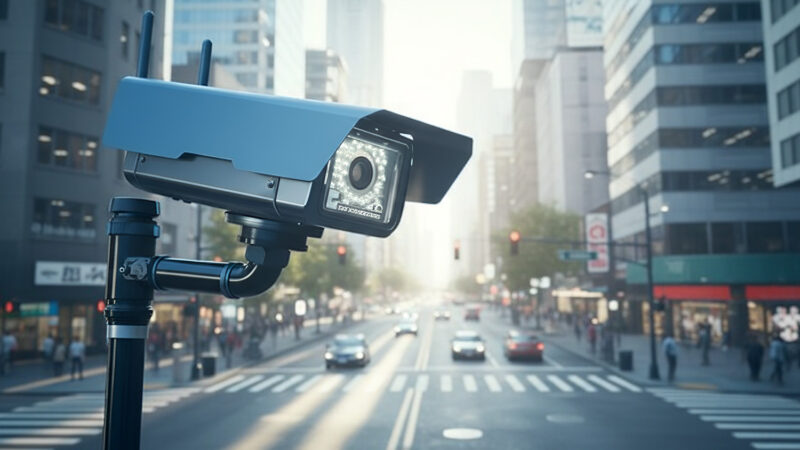
Artificial intelligence has added another layer of complexity. AI-powered tools are increasingly used for targeted advertising, voter analysis, and personalized messaging. Political campaigns can now analyze vast amounts of data to identify voter preferences, tailor messages to specific demographics, and even predict behavior. While this enhances efficiency, it raises ethical concerns about data privacy, manipulation, and transparency.
The emergence of AI-generated content, including “deepfakes” — realistic fake videos or audio — has become one of the greatest threats to election integrity. In 2024, several governments, including the European Union and the United States, introduced new regulations to require the labeling of AI-generated political material. Yet enforcement remains challenging, as content spreads across global networks faster than it can be verified.
The impact of misinformation and disinformation on public trust cannot be overstated. False narratives — whether about voting procedures, candidates, or international affairs — can sway public opinion and undermine confidence in electoral outcomes. The 2024 EU elections and several national campaigns in Asia and Latin America have already demonstrated how digital propaganda can influence voter sentiment.
Social media companies have faced mounting pressure to take responsibility. Platforms like Meta (Facebook), X (formerly Twitter), and TikTok have expanded their fact-checking and content moderation efforts. However, critics argue that these measures often fall short, particularly in non-English-speaking regions or during fast-moving crises.
International organizations such as the United Nations and OECD have begun developing frameworks to promote digital transparency and election security. The UNESCO “Guidelines for Regulating Digital Platforms” (2023) encourage governments to balance freedom of expression with accountability for misinformation. Meanwhile, civil society groups are calling for stronger digital literacy initiatives to help citizens identify false or AI-generated content.
Despite these challenges, digital technology also holds enormous potential to strengthen democracy. Online platforms can increase voter participation, give voice to marginalized groups, and enhance political accountability through open data and live debates. The key lies in responsible innovation — using technology to empower, not manipulate, the electorate.
As the digital era evolves, the health of democracy will depend on how societies manage the relationship between technology, truth, and trust. The future of elections is not just about who wins or loses — it’s about ensuring that democracy itself remains transparent, fair, and free in the age of algorithms.