As plant-based eating becomes increasingly popular worldwide, one of the most common questions people ask is: can you really get enough protein without meat? Nutrition experts say the answer is yes — provided that meals are balanced and varied.
Protein plays a vital role in building and repairing tissues, supporting the immune system, and maintaining muscle mass. While animal products like meat, eggs, and dairy are complete protein sources (containing all nine essential amino acids), many plant-based proteins are incomplete on their own. However, by combining different foods, vegetarians and vegans can easily achieve complete protein profiles.
Top Plant-Based Protein Sources
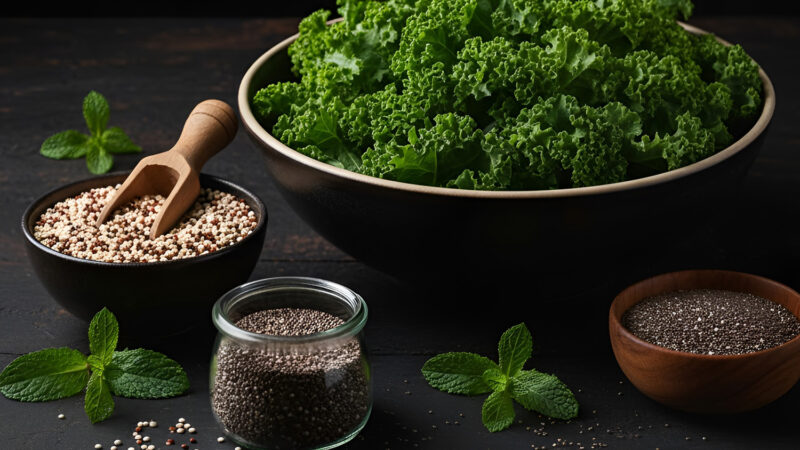
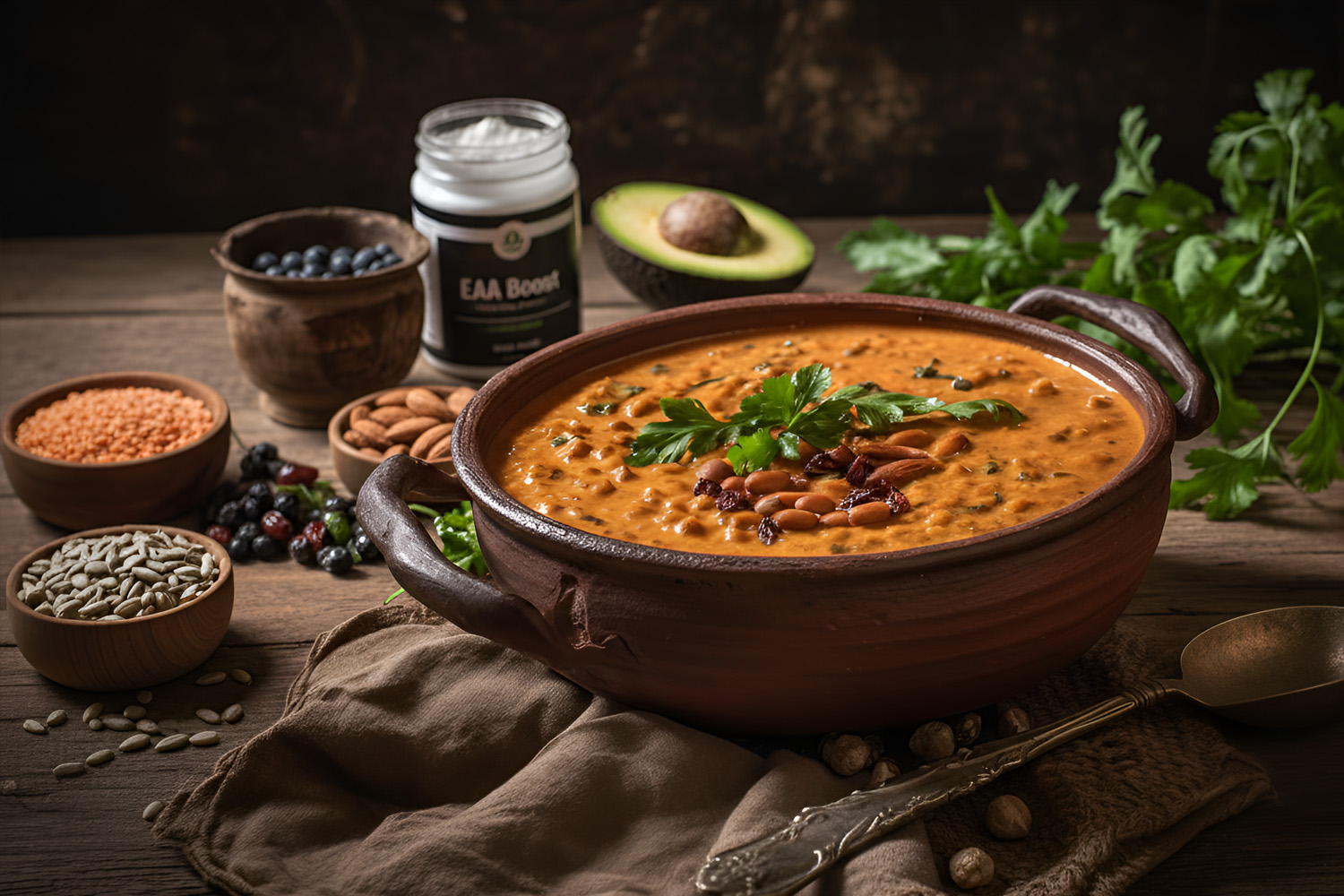
Legumes such as lentils, chickpeas, and black beans are rich in protein and fiber. Soy-based foods like tofu, tempeh, and edamame provide all essential amino acids, making them excellent meat alternatives. Whole grains — including quinoa, buckwheat, and brown rice — also contribute valuable protein. Nuts and seeds, such as almonds, chia seeds, and hemp seeds, add not only protein but also healthy fats.
Smart Food Combinations
Combining certain plant foods helps ensure adequate amino acid intake. Classic examples include rice and beans, hummus with whole-grain pita, or peanut butter on whole-wheat toast. These pairings complement each other’s amino acid profiles, offering complete nutrition.
Meeting Daily Protein Needs
According to the World Health Organization (WHO), the average adult requires about 0.8 grams of protein per kilogram of body weight per day. A well-planned vegan or vegetarian diet can easily meet — or exceed — this level. In fact, studies show that people on plant-based diets often consume adequate or higher-quality protein than expected, particularly when focusing on diverse whole foods.
The Broader Benefits
Beyond protein, plant-based diets are associated with lower risks of heart disease, type 2 diabetes, and certain cancers, while also being more sustainable for the environment. The key, experts emphasize, is not avoiding animal products entirely, but rather eating consciously and diversifying protein sources.
In short, with thoughtful planning and a good mix of legumes, grains, soy products, nuts, and seeds, it’s entirely possible to thrive on a meat-free diet without compromising protein intake — and enjoy the added health and environmental benefits along the way.