Nutrition plays a central role in human longevity. Large-scale epidemiological studies and clinical research consistently show that certain dietary patterns are linked to longer life expectancy and a lower risk of chronic diseases such as heart disease, type 2 diabetes and some cancers. While no diet can guarantee extreme lifespan, science has identified several eating approaches strongly associated with healthier and longer lives.
The Mediterranean Diet — The Most Studied Longevity Pattern
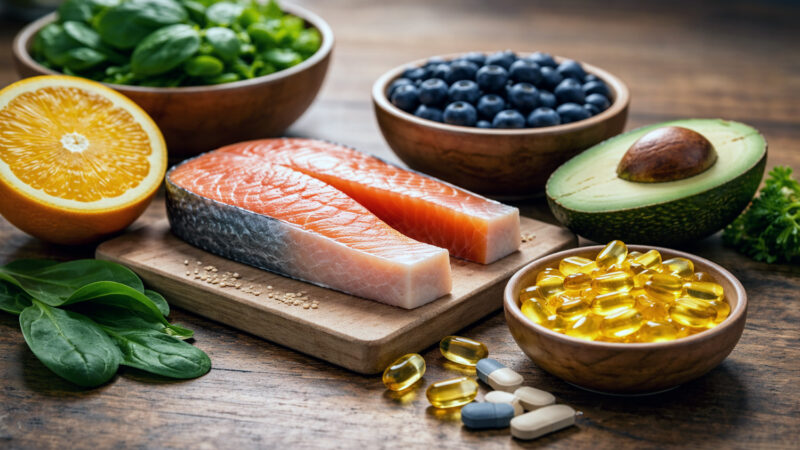
The Mediterranean diet is one of the most scientifically supported dietary patterns in longevity research. It emphasizes vegetables, fruits, whole grains, legumes, olive oil, nuts and moderate consumption of fish, while limiting red meat and highly processed foods.
Large cohort studies and randomized trials have linked this diet to:
- Reduced cardiovascular disease risk
- Lower overall mortality rates
- Improved metabolic and inflammatory markers
Its benefits are largely attributed to high intake of antioxidants, healthy fats (especially monounsaturated fats from olive oil) and plant-based nutrients.
Calorie Restriction and Longevity
Calorie restriction — reducing daily calorie intake without malnutrition — is one of the most studied longevity interventions in animals and humans. Research has shown that modest calorie reduction can improve metabolic markers linked to ageing, including insulin sensitivity and inflammation levels.
Human clinical trials suggest that moderate calorie reduction may:
- Lower cholesterol levels
- Improve blood pressure
- Reduce oxidative stress
However, extreme calorie restriction is not recommended without medical supervision due to risks of nutrient deficiencies.
Plant-Based and Blue Zone Diets
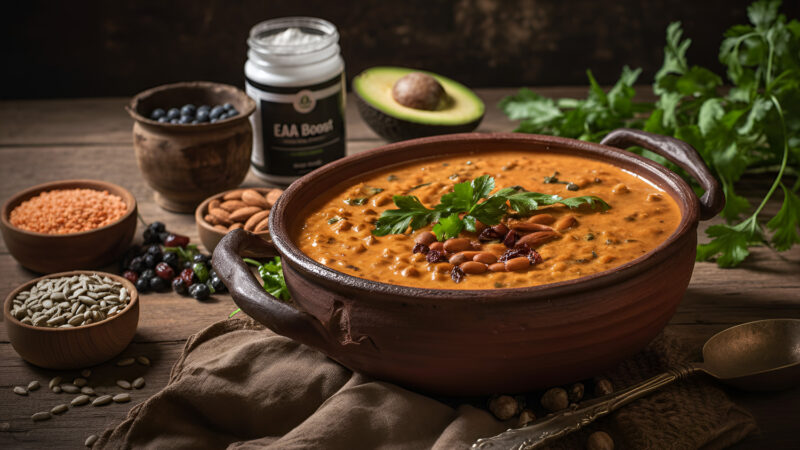
Populations from so-called “Blue Zones” — regions with unusually high numbers of people reaching advanced ages — commonly follow largely plant-based diets. These diets focus on legumes, vegetables, whole grains, nuts and seeds, with limited animal products.
Scientific observations show that these diets are linked to:
- Lower rates of heart disease
- Better weight control
- Reduced inflammation
The combination of high fiber intake and low saturated fat plays a key role in these outcomes.
Intermittent Fasting and Time-Restricted Eating
Intermittent fasting (IF) and time-restricted eating have gained scientific attention in recent years. These approaches focus on when food is eaten rather than what is eaten.
Research has found that controlled fasting periods may:
- Improve insulin sensitivity
- Support cellular repair through autophagy
- Reduce body weight and visceral fat
While promising, long-term data in humans are still developing, and fasting is not recommended for everyone.
What Science Agrees On
Across different populations and studies, several consistent principles emerge:
- High intake of vegetables, fruits and whole plant foods
- Limited consumption of ultra-processed foods
- Moderate calorie intake aligned with energy needs
- Regular meal timing and metabolic balance
These factors are more strongly linked to longevity than any single “miracle” diet.
Practical, Evidence-Based Advice
For people seeking a diet that supports long life and healthy ageing, research suggests focusing on:
- Eating mostly whole, minimally processed foods
- Prioritizing vegetables, beans, whole grains and healthy fats
- Reducing added sugars and refined carbohydrates
- Avoiding chronic overeating
Consistency over time matters more than perfection.