Carbohydrates are one of the body’s main sources of energy, but not all carbs work in the same way. Many people hear the terms simple carbohydrates and complex carbohydrates, yet the difference is often unclear. Understanding how each type behaves in the body can help you make smarter decisions about food — including when it’s best to enjoy your favorite sweets.
Below is a clear explanation of carbohydrates, examples of foods that contain them, and practical tips for eating sweets in a balanced way.
What Are Carbohydrates?
Carbohydrates (carbs) are macronutrients found in foods such as grains, fruits, vegetables, dairy products, and sweets. When you eat carbs, your body breaks them down into glucose, which provides energy for your muscles, brain, and organs.
Carbohydrates can be divided into two main categories:
1. Simple Carbohydrates (Fast Carbs)
Definition:
Simple carbohydrates are sugars that the body digests quickly. This causes a rapid rise in blood sugar and a short burst of energy.
Where They’re Found:
- Table sugar
- Honey
- Candy
- Cakes, pastries, donuts
- Sugary drinks
- White bread and white flour products
- Some fruits (fructose is a natural sugar)
Advantages:
- Quick energy source
- Useful before short, intense activity (e.g., sprinting)
Disadvantages:
- Energy drop afterward (“sugar crash”)
- Can increase hunger quickly
- Easy to overconsume
2. Complex Carbohydrates (Slow Carbs)
Definition:
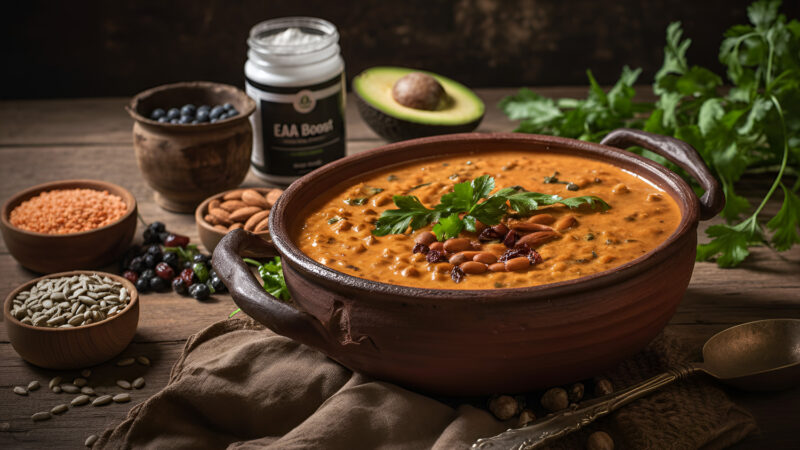
Complex carbohydrates contain longer chains of sugars and often include fiber. They digest slowly, providing steady energy without dramatic spikes in blood sugar.
Where They’re Found:
Whole Grains
- Oats
- Brown rice
- Quinoa
- Whole-wheat bread
- Whole-grain pasta
- Bulgur
- Barley
Legumes
- Beans
- Lentils
- Chickpeas
- Peas
Vegetables
- Carrots
- Broccoli
- Spinach
- Sweet potatoes
- Zucchini
Other Sources
- Nuts
- Seeds
Benefits:
- More stable energy throughout the day
- Helps control appetite
- Supports digestive health (fiber)
- Better for long-term nutrition
When Is the Best Time to Eat Sweets?
Sweets contain mostly simple carbohydrates, and because they digest quickly, timing matters. Here are the situations where enjoying them is smarter and easier on the body:
✓ 1. After a Meal (Recommended)
Eating sweets after a balanced meal slows the absorption of sugar because protein, fats, and fiber reduce glucose spikes.
Why this works:
- More stable blood sugar
- Longer-lasting fullness
- Reduced craving for more sugar
✓ 2. Before or After Physical Activity
Mild exercise increases the body’s ability to handle sugar.
Good times:
- Before a walk
- After a workout
- Before moderate physical tasks
✓ 3. Earlier in the Day
Energy needs are higher in the morning and afternoon compared to late evening.
Why earlier is better:
- More time to burn calories
- Reduced risk of nighttime overeating
- Better sleep quality (sugar close to bedtime can disrupt rest)
When to Avoid Sweets
- Late at night, when metabolic rate slows
- On an empty stomach, which may cause a rapid glucose spike
- When feeling tired or stressed, as this can lead to overeating
Examples of Choosing Wisely
Example 1:
You want a slice of cake.
Better choice: Eat it after lunch rather than at 11 PM.
Example 2:
You crave chocolate.
Better choice: Have a small piece before a walk instead of while sitting for hours.
Example 3:
You love pastries.
Better choice: Choose whole-grain breakfast items (oat muffins, whole-wheat pancakes) and save sugary pastries for special moments.
Why Understanding Carbohydrates Helps
Knowing how carbs work allows you to:
- Keep energy levels stable
- Reduce cravings
- Make balanced food choices
- Enjoy sweets without guilt
- Maintain healthy eating patterns
You don’t need to eliminate sweets — just enjoy them at the right time and in the right portion.