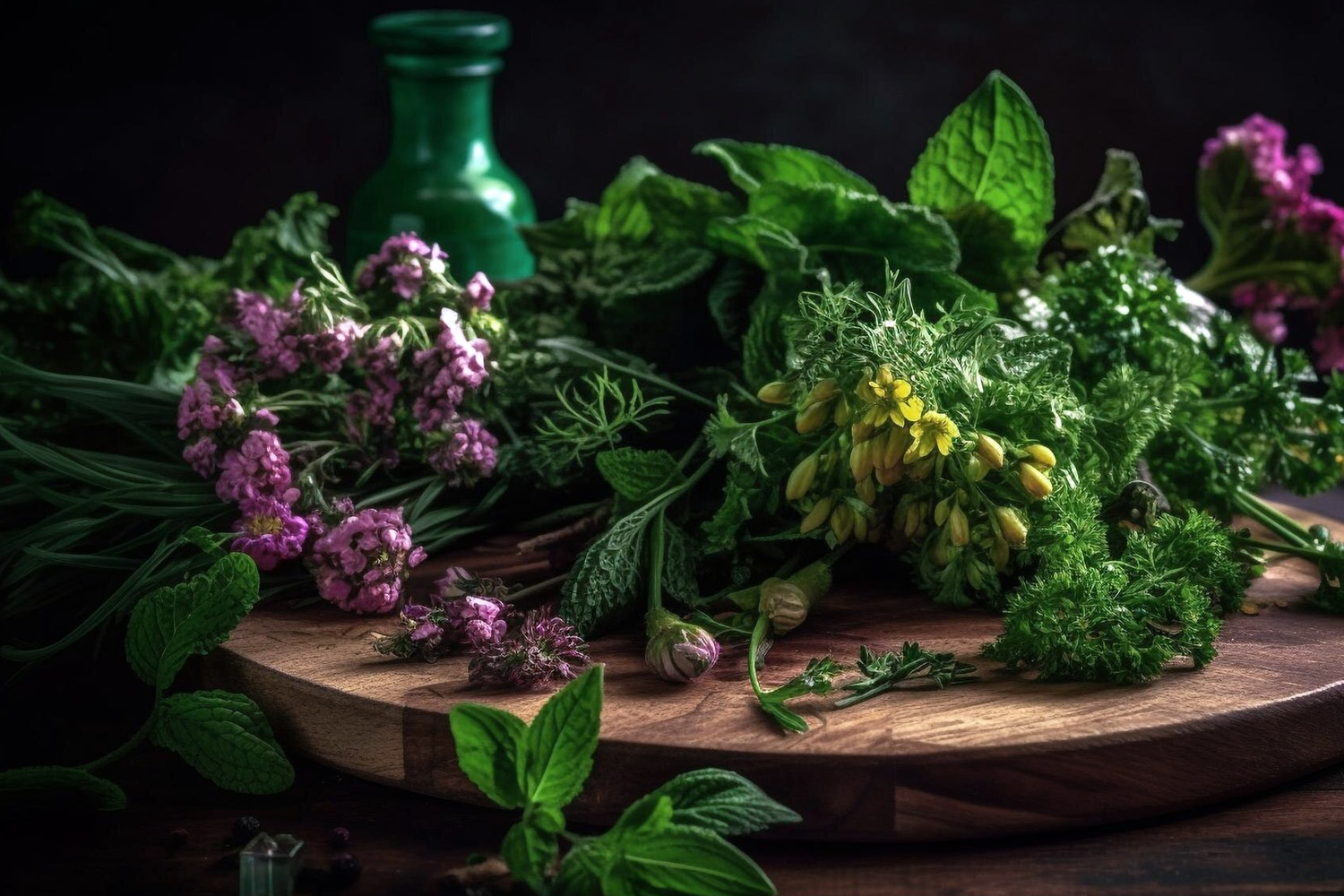
Medicinal plants have been used for thousands of years, and in 2025 their importance in global healthcare continues to grow. Scientific studies, pharmaceutical research, and rising consumer demand have brought new attention to natural remedies that offer real, measurable benefits. Today, many modern medicines are derived from plant compounds, making botanicals a significant part of the global health industry.
The Renewed Interest in Natural Medicine
The global market for herbal and plant-based treatments has expanded steadily, driven by a combination of scientific validation, traditional knowledge and consumer preference for natural solutions. Many people around the world rely on medicinal plants for everyday health needs such as boosting immunity, improving sleep, reducing inflammation and aiding digestion.
Plants With Proven Health Benefits
A wide range of plants is recognized for their clinically supported properties:
- Aloe vera — used for skin treatment, wound healing and hydration.
- Ginger — known for reducing nausea and supporting digestion.
- Turmeric (curcumin) — widely studied for its anti-inflammatory and antioxidant effects.
- Chamomile — used to promote relaxation and improve sleep quality.
- Peppermint — beneficial for digestive discomfort and headaches.
- Echinacea — commonly used to support the immune system.
- Lavender (Lavandula spp.) — Promotes relaxation, reduces stress and mild anxiety, supports sleep, and can relieve minor skin issues or migraines.
- Garlic (Allium sativum) — Natural antimicrobial; supports heart health, circulation, and immune defense.
- Milk Thistle (Silybum marianum) — Traditionally used for liver support, detoxification, and digestive wellness.
- Ginseng (Panax spp.) — Adaptogen believed to boost energy, reduce stress, and support cognitive clarity.
- Valerian (Valeriana officinalis) — Natural sleep aid; helps reduce mild anxiety and improve sleep quality.
- St. John’s Wort (Hypericum perforatum) — Historically used for mild to moderate depression and general mood support.
- Holy Basil (Tulsi) — Adaptogen used for respiratory health, stress reduction, and overall wellness.
- Neem (Azadirachta indica) — Used in traditional medicine for skin issues, antimicrobial and antifungal purposes, and detox support.
- Dandelion (Taraxacum officinale) — Used for digestive support, liver health, and as a mild natural diuretic.
These plants contain active compounds—such as alkaloids, flavonoids and essential oils—that researchers continue to study for potential therapeutic applications.
Pharmaceutical Innovation Driven by Plants
Many modern drugs trace their origins to plants. For example, willow bark led to the development of aspirin, and compounds from foxglove became the basis for heart medications. As technology advances, researchers can isolate plant molecules more effectively, improving safety and consistency. This collaboration between traditional knowledge and modern science is expanding interest in natural ingredients across the pharmaceutical, cosmetic and wellness industries.
Sustainability and Ethical Sourcing
With demand rising, sustainability has become a central concern. Many regions are working to protect wild plant species from overharvesting, while companies shift toward controlled cultivation and ethical supply chains. Ensuring long-term availability of medicinal plants is essential for both environmental and public health.
A Growing Part of Global Healthcare
Medicinal plants are increasingly integrated into mainstream treatment plans, wellness programs and preventative health strategies. Their role in modern medicine continues to expand as research uncovers new uses and validates traditional practices. For millions worldwide, nature’s pharmacy remains a trusted, accessible and effective source of healing.