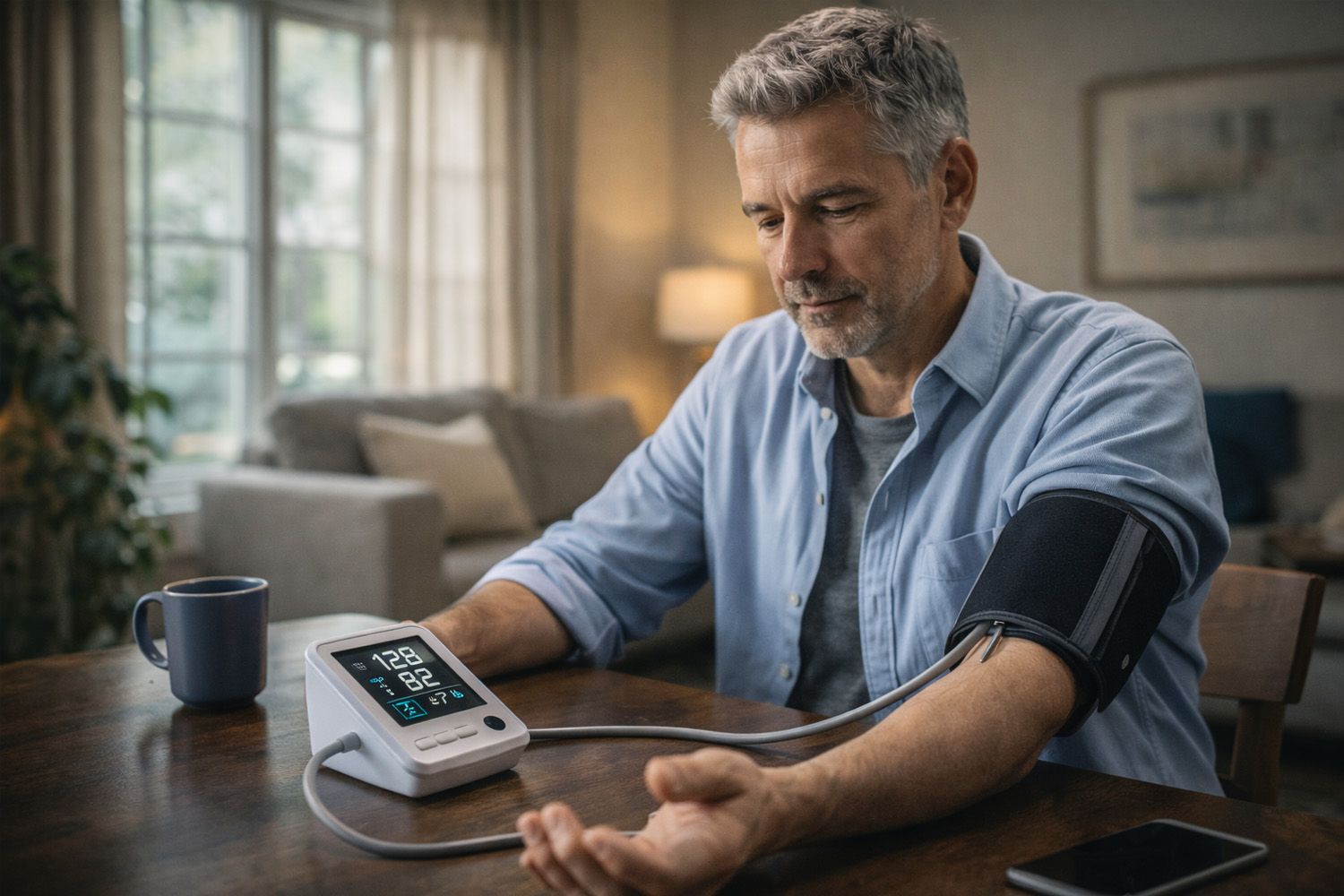
Monitoring your blood pressure at home can be a crucial part of managing cardiovascular health, especially for people with hypertension or those tracking long-term trends. Experts agree that clinically validated, upper-arm cuff monitors remain the most accurate option for home use, outperforming wrist or finger devices.
Here are five of the most reliable and high-quality blood pressure monitors in 2026 — chosen for accuracy, ease of use, features and user satisfaction:
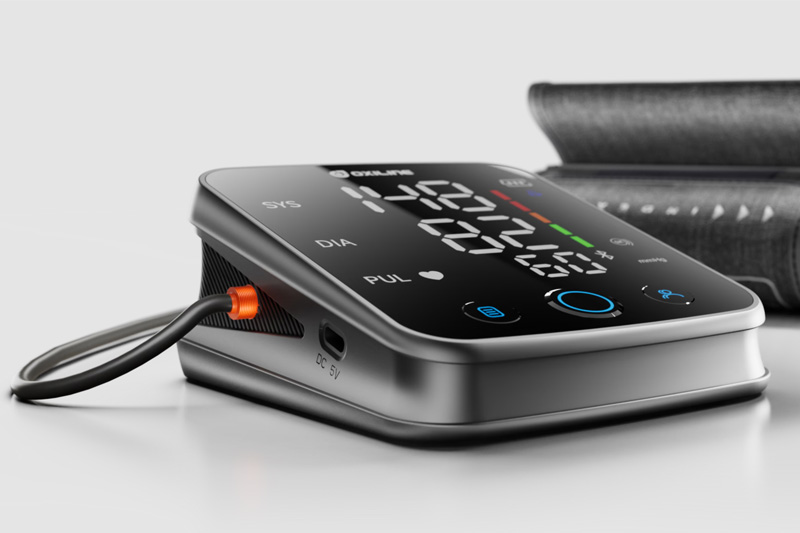
1. Oxiline Pressure XS Pro — Best Overall
This monitor stands out in 2026 for its advanced VIBRA™ sensor technology that helps reduce user error and deliver consistent readings. It supports Bluetooth connectivity and health data tracking via an app, making long-term monitoring and sharing with doctors easier.
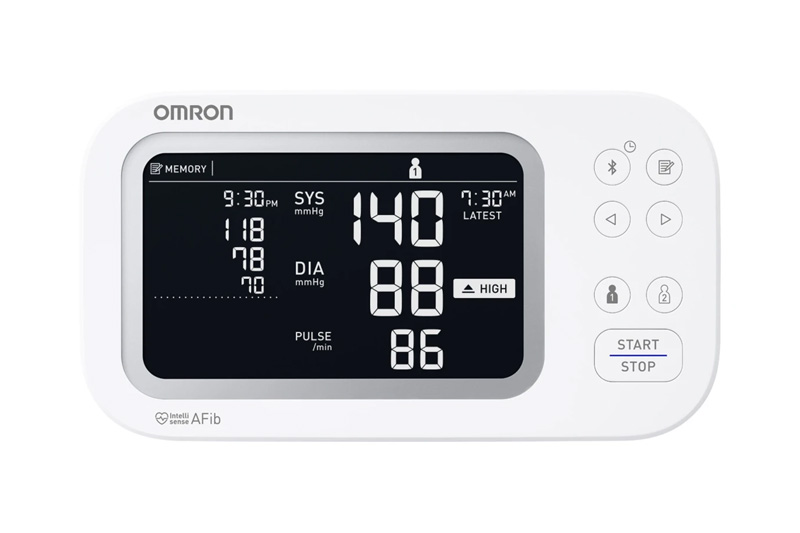
2. Omron Platinum — Medical-Grade Accuracy
Widely recommended by clinicians, the Omron Platinum model is FDA-cleared and clinically validated to provide precise readings. It offers irregular heartbeat detection, Bluetooth syncing, and stores readings for multiple users — ideal for families or couples tracking blood pressure.
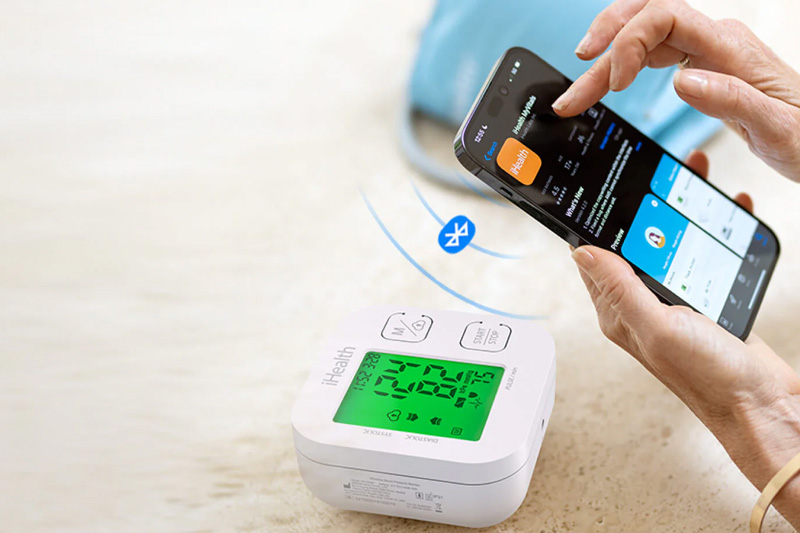
3. iHealth Track — Best for Everyday Users
For a balance of accuracy, simplicity and affordability, the iHealth Track blood pressure monitor scores highly. It’s easy to operate, pairs with a smartphone app for tracking and displays clear results. Experts often recommend it for first-time users or those on a budget.
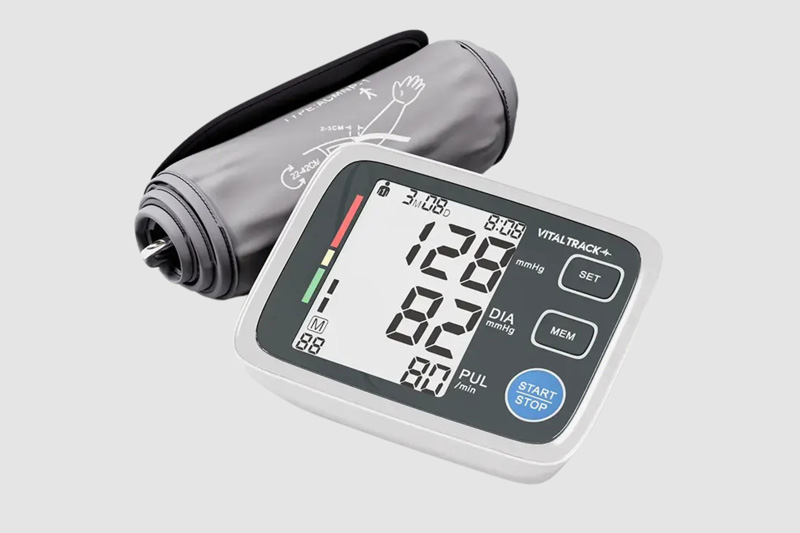
4. VitalTrack Pro — Best for Ease of Use
If you want a monitor that’s extremely user-friendly without sacrificing reliability, VitalTrack Pro delivers with a straightforward interface and long memory for readings. Its design supports repeated daily measurements and dual-user tracking.
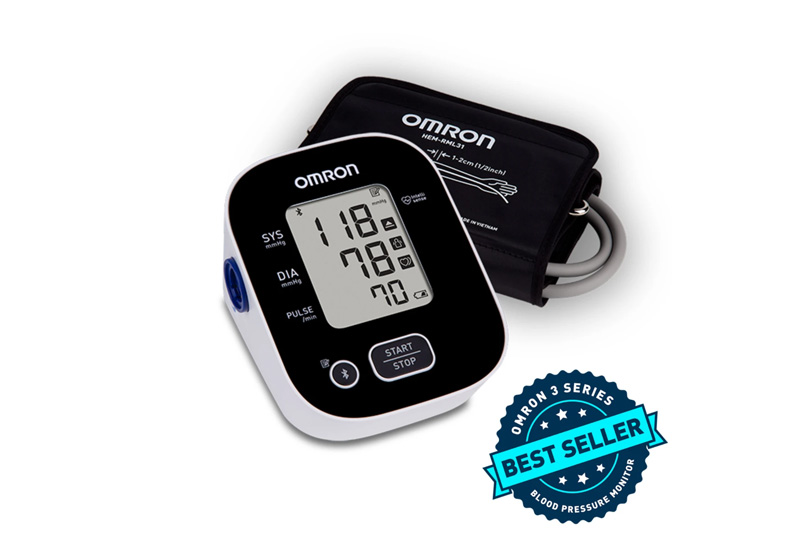
5. Omron 3 Series — Best Value Option
The Omron 3 Series offers a great mix of accuracy and affordability. It’s a solid choice for users who want dependable readings with connectivity and pulse monitoring at a lower price point than some premium models.
Why it matters
High blood pressure often has no noticeable symptoms but significantly increases the risk of stroke, heart attack and kidney disease if left unmonitored. Regular at-home blood pressure checks — especially with clinically validated devices — help people and their healthcare providers spot trends early and adjust treatment when needed.
Trend impact
The growing popularity of reliable home blood pressure monitors reflects a broader shift toward preventive health care and digital tracking. Devices with connectivity and data storage features empower users to manage their health proactively and share accurate readings with doctors. As technology improves, expect next-generation blood pressure monitors to offer even better precision and integration with health ecosystems.