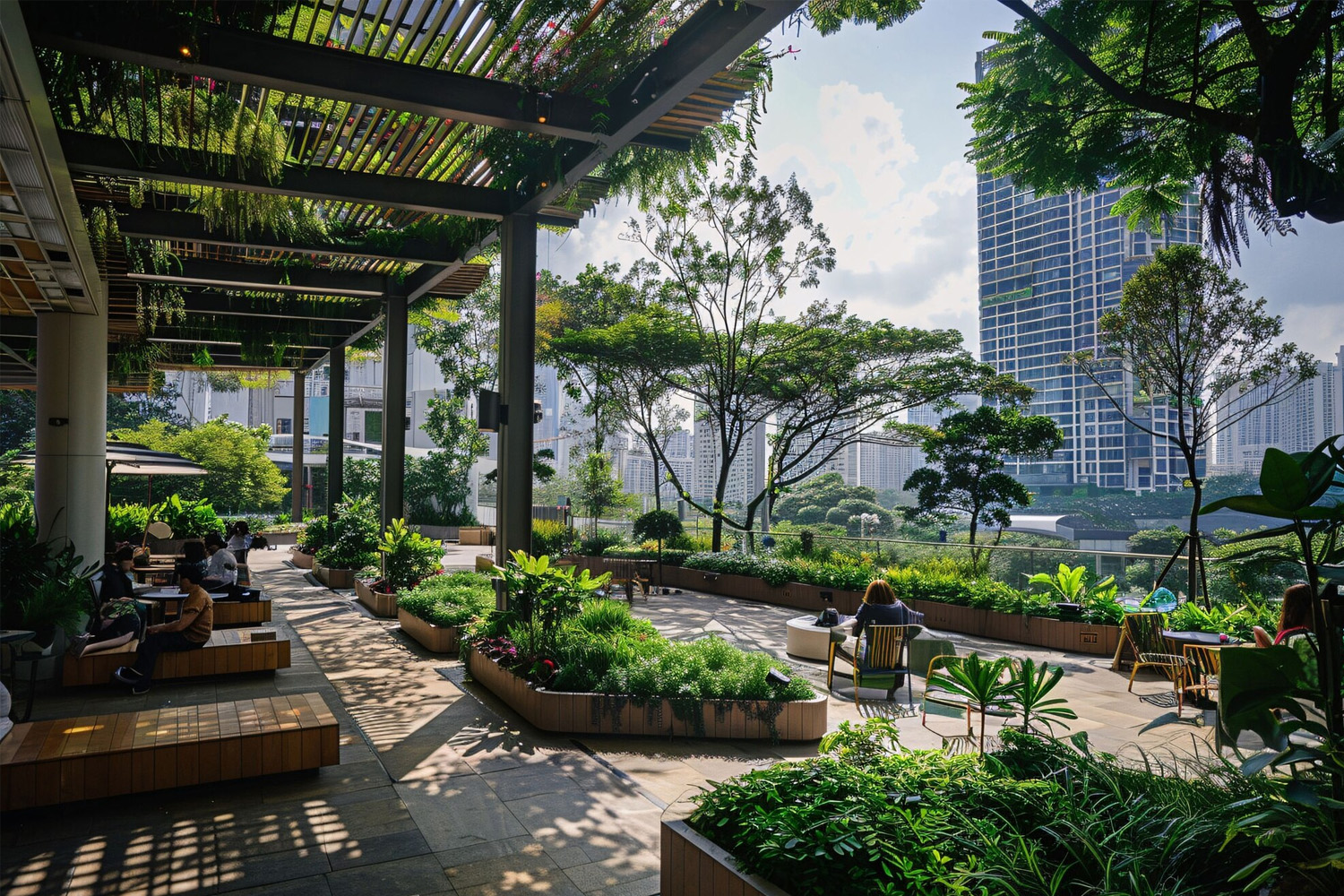
As cities expand and temperatures rise, urban greening has become a critical solution for creating more livable and sustainable environments. Across the globe, city planners and architects are turning to nature-based designs—such as green roofs, vertical gardens, and street trees—to combat pollution, mitigate heat, and enhance the mental and physical health of residents.
Reducing Air Pollution and Heat
Urban vegetation acts as a natural air filter. Trees and plants absorb carbon dioxide, trap dust, and remove harmful particulates such as nitrogen dioxide and ozone from the air. According to the World Health Organization (WHO), urban trees can reduce air pollutants by up to 30% in heavily vegetated areas.
Moreover, greenery helps counter the urban heat island effect, where cities are significantly warmer than surrounding areas due to heat-absorbing surfaces like concrete and asphalt. A network of green spaces can lower local temperatures by several degrees, reducing energy consumption and improving air quality.
Green Roofs and Vertical Gardens
Modern architecture increasingly incorporates green roofs—buildings topped with vegetation layers that provide insulation and absorb rainwater. Cities like Copenhagen, Singapore, and Toronto have made green roofs a standard part of new developments.
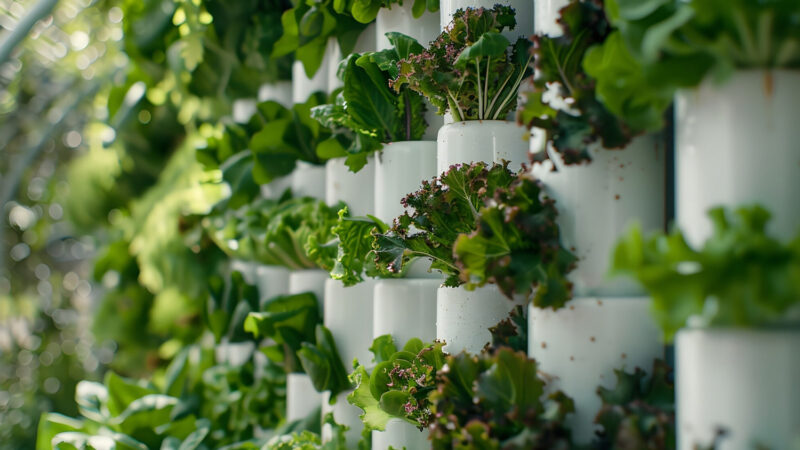
Similarly, vertical gardens or “living walls” turn bare facades into lush ecosystems. These installations not only beautify buildings but also enhance biodiversity by providing habitats for pollinators and birds.
Mental Health and Social Benefits
Urban greenery does more than improve air and temperature—it nurtures mental well-being. Studies from University College London and Harvard T.H. Chan School of Public Health show that access to green spaces significantly reduces stress, depression, and anxiety. Tree-lined streets and community gardens also promote social interaction and physical activity, leading to stronger community bonds.
A Path Toward Sustainable Cities
From New York’s High Line to Singapore’s Gardens by the Bay, global cities are reimagining their landscapes to integrate nature and infrastructure. Urban greening is now recognized as a vital part of climate adaptation strategies, helping cities meet sustainability goals while improving quality of life.
The message is clear: the greener the city, the healthier its people. Investing in urban greening is not just an environmental decision—it’s an investment in the future well-being and resilience of urban populations.