The natural world is full of creatures that defy expectations — animals so strange they seem almost mythical. From deep-sea dwellers to desert survivors, these species showcase evolution’s creativity and adaptability. Below are some of the world’s most unusual animals, their habitats, and what makes them truly unique.
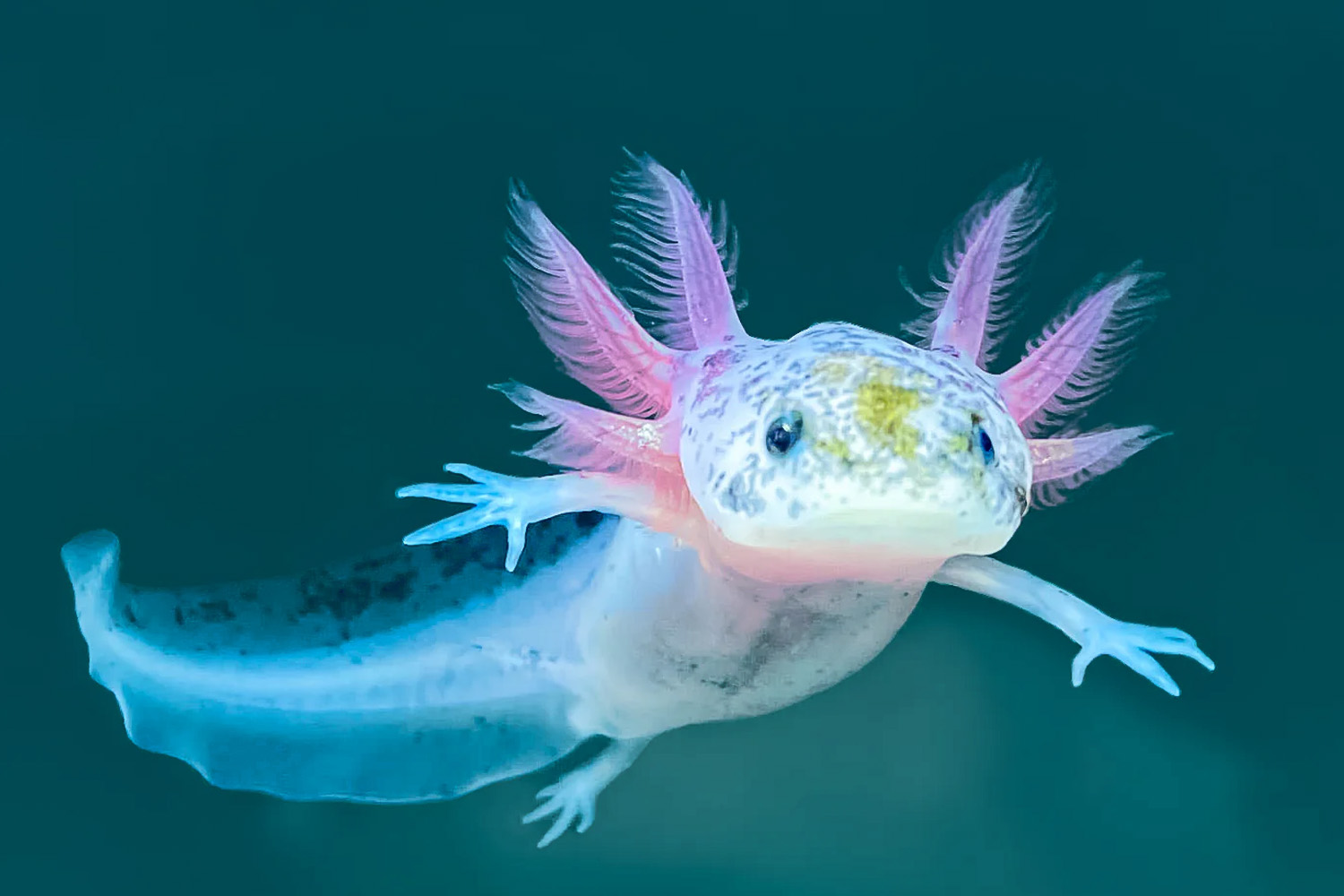
1. Axolotl (Ambystoma mexicanum)
Habitat: Lakes Xochimilco and Chalco, near Mexico City, Mexico
Strangeness: The axolotl, often called the “Mexican walking fish,” is actually a salamander that never fully matures. Unlike other amphibians, it remains in its larval stage for life, complete with gills and a finned tail.
Diet: Worms, small fish, and crustaceans
Interesting Fact: The axolotl can regenerate entire limbs, parts of its heart, and even parts of its brain — a biological marvel scientists continue to study.
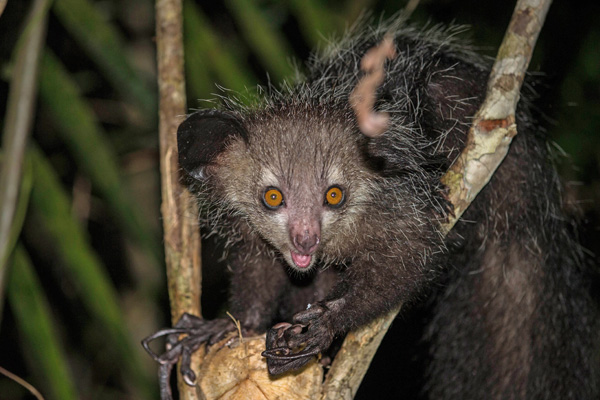
2. Aye-Aye (Daubentonia madagascariensis)
Habitat: Rainforests of Madagascar
Strangeness: This nocturnal lemur uses its extra-long middle finger to tap on tree bark, listen for insect movement underneath, and then fish them out — a feeding method known as percussive foraging.
Diet: Insects, fruit, nectar, and seeds
Interesting Fact: Locals once considered aye-ayes a bad omen due to their eerie appearance, but conservation efforts have helped protect this critically endangered primate.
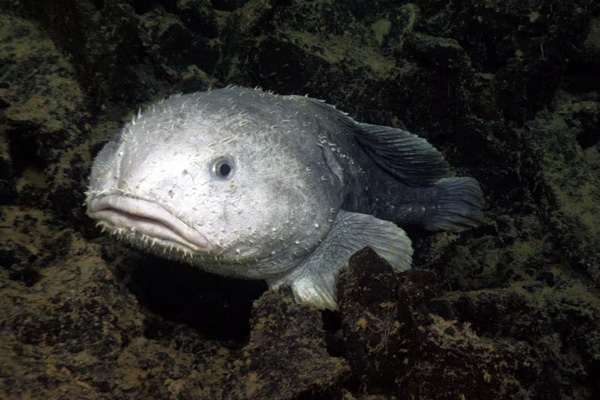
3. Blobfish (Psychrolutes marcidus)
Habitat: Deep waters off the coasts of Australia and New Zealand
Strangeness: Often called the “world’s ugliest animal,” the blobfish’s jelly-like body is perfectly adapted to extreme ocean pressure. Out of water, it appears formless, but underwater it looks like a normal fish.
Diet: Crustaceans, sea urchins, and mollusks
Interesting Fact: The blobfish has no swim bladder or strong muscles; instead, its gelatinous body maintains buoyancy in deep-sea environments.
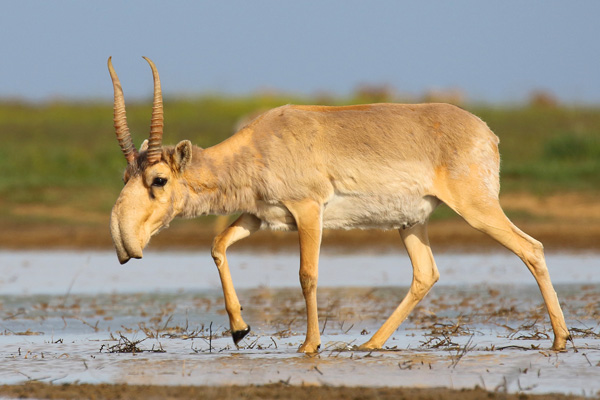
4. Saiga Antelope (Saiga tatarica)
Habitat: Steppes of Kazakhstan, Mongolia, and Russia
Strangeness: This endangered antelope has a distinctive large, bulbous nose that filters out dust and regulates air temperature — a vital adaptation to its harsh environment.
Diet: Grasses, herbs, and shrubs
Interesting Fact: Despite their odd appearance, saigas are ancient survivors from the Ice Age and play an important role in grassland ecosystems.
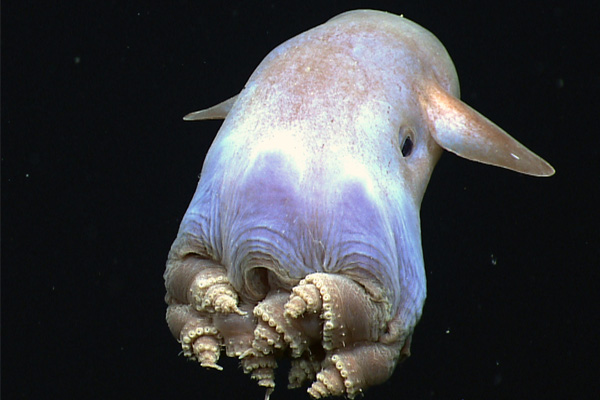
5. Dumbo Octopus (Grimpoteuthis spp.)
Habitat: Deep ocean floors, typically 3,000–4,000 meters below sea level
Strangeness: Named after Disney’s Dumbo, this octopus has ear-like fins that resemble the cartoon elephant’s ears. It uses them to “fly” gracefully through the water.
Diet: Worms, small crustaceans, and copepods
Interesting Fact: The dumbo octopus doesn’t use ink for defense — at its depth, it relies on camouflage and quiet movement instead.
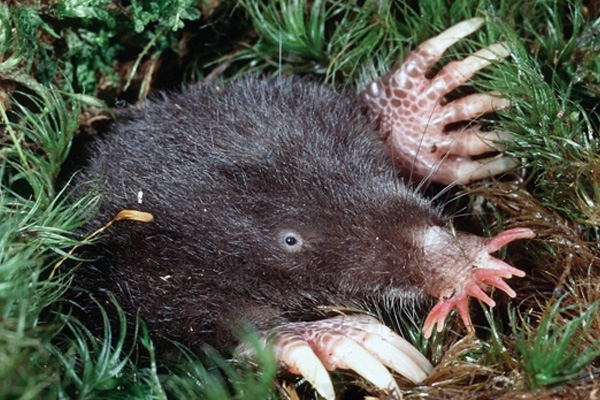
6. Star-Nosed Mole (Condylura cristata)
Habitat: Wet lowlands of North America
Strangeness: This small mole has 22 pink, tentacle-like appendages around its nose that act as ultra-sensitive touch sensors. It can identify and eat prey in under 200 milliseconds — faster than the blink of an eye.
Diet: Insects, worms, and small aquatic animals
Interesting Fact: The star-nosed mole is the fastest-eating mammal in the world, processing sensory information through its nose faster than humans can see.
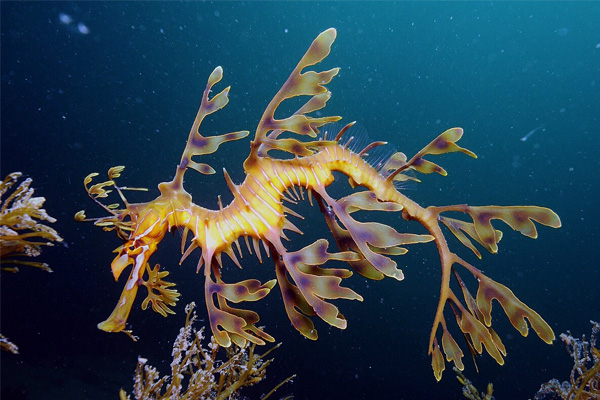
7. Leafy Sea Dragon (Phycodurus eques)
Habitat: Coastal waters of southern and western Australia
Strangeness: This relative of the seahorse is covered in leaf-like appendages that make it nearly invisible among seaweed and kelp.
Diet: Plankton and tiny crustaceans
Interesting Fact: Despite its delicate appearance, the leafy sea dragon is an agile swimmer and is protected under Australian law due to its rarity.
Conclusion
The world’s strangest animals remind us of the incredible diversity and adaptability of life on Earth. From regenerating amphibians to deep-sea oddities, these species prove that evolution has no limits to creativity. Protecting such creatures ensures that the mysteries and wonders of our planet continue to inspire future generations.