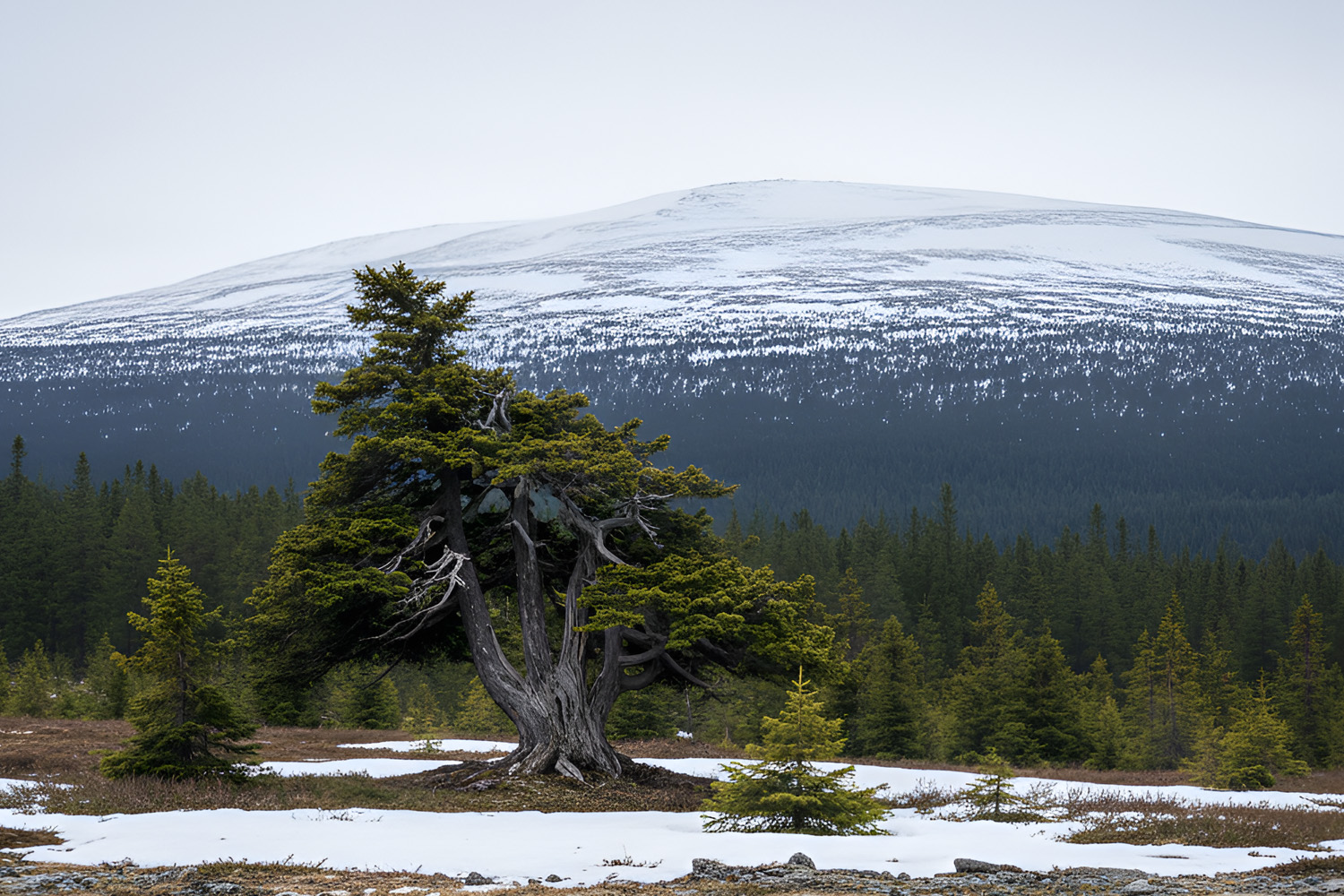
Across the planet stand living witnesses to thousands of years of Earth’s history — the world’s oldest trees. These remarkable organisms have survived ice ages, droughts, fires, and human civilization itself. Through their longevity, they teach us about resilience, adaptation, and the importance of ecological balance. Scientists study these ancient trees to better understand how ecosystems endure through time and what we can learn from nature’s oldest survivors.
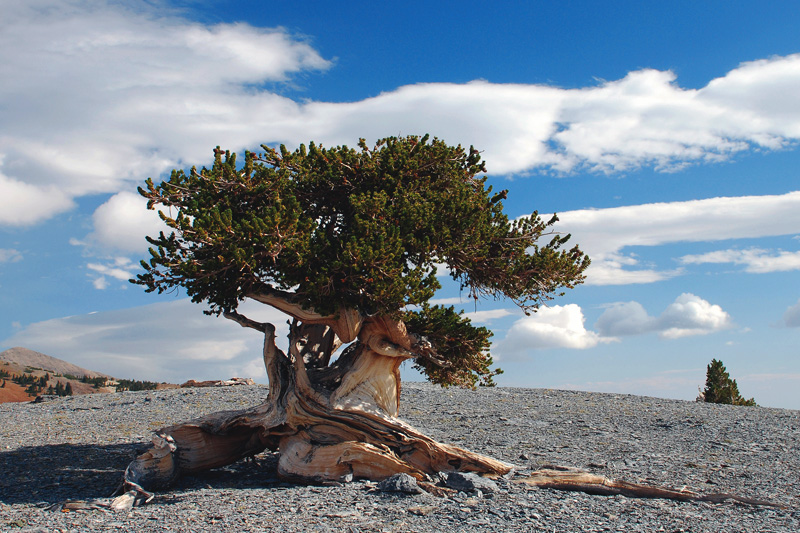
Methuselah – The Great Basin Bristlecone Pine (United States)
One of the most famous ancient trees is Methuselah, a Great Basin bristlecone pine (Pinus longaeva) located in California’s White Mountains. Estimated to be about 4,850 years old, it was already growing when the Egyptian pyramids were being built. Its exact location is kept secret by the U.S. Forest Service to protect it from vandalism.
Bristlecone pines thrive in harsh, high-altitude conditions — cold, dry, and nutrient-poor soils. Their survival secret lies in their slow growth, dense resin-rich wood that resists rot, and the ability to remain partially alive even when large portions of the tree die off. This remarkable adaptation shows how endurance, not rapid growth, ensures survival over millennia.
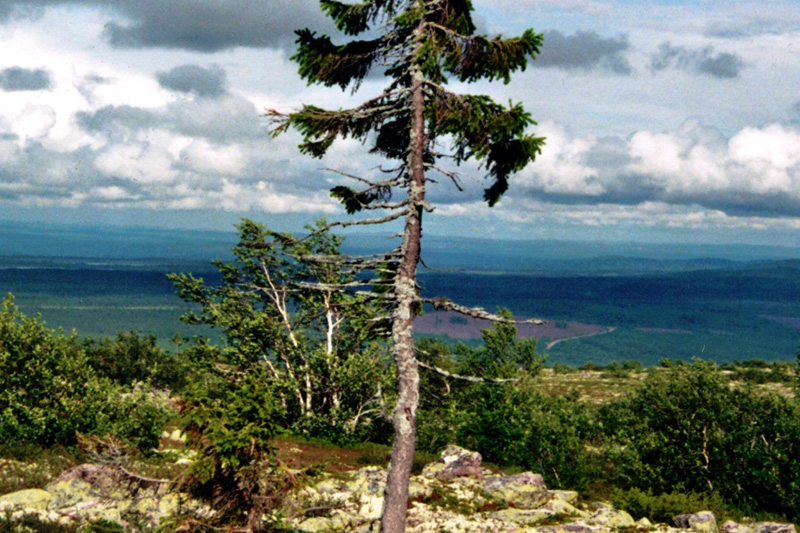
Old Tjikko – The Ancient Spruce of Sweden
In the mountains of Dalarna, Sweden, stands Old Tjikko, a Norway spruce (Picea abies) estimated to be around 9,560 years old. While its visible trunk is much younger, the root system has continuously regenerated new stems for nearly 10,000 years.
This tree’s age was determined using carbon dating of its root material by researchers at Umeå University. Old Tjikko represents a form of clonal longevity, where the genetic lineage persists even as individual trunks die and regrow. It is a living demonstration of how life adapts to survive in challenging, ever-changing environments.
Other Remarkable Ancient Trees
- Pando, Utah (USA): A colony of quaking aspen trees (Populus tremuloides) sharing one root system — estimated to be over 80,000 years old. Technically a single organism, it’s among the oldest and largest living beings on Earth.
- Sarv-e Abarqu (Iran): A cypress tree in Yazd Province estimated at 4,000–5,000 years old, revered as a national monument.
- Llangernyw Yew (Wales): A yew tree thought to be 4,000–5,000 years old, still growing in a churchyard and symbolizing cultural continuity.
- Alerce (Chile): A Patagonian cypress (Fitzroya cupressoides) nicknamed “Great-Grandfather,” recently dated to over 5,000 years old, possibly older than Methuselah.
Each of these trees has adapted to its environment through unique strategies: slow metabolism, clonal reproduction, and resistance to pests or climate extremes.
Lessons from Nature’s Longest Survivors
- Adaptation Over Growth: Ancient trees demonstrate that survival often depends on stability and adaptability rather than speed.
- Climate Indicators: Tree rings from these species are invaluable to climate scientists studying temperature and rainfall patterns over thousands of years.
- Conservation Importance: Protecting these living monuments safeguards genetic diversity and helps us understand how ecosystems endure environmental change.
The longevity of these trees also highlights humanity’s responsibility. Deforestation and climate change threaten even the most resilient species. By studying and protecting them, we gain not only scientific insight but also a profound reminder of the patience and persistence inherent in nature.
From Methuselah’s twisted bark to Old Tjikko’s ancient roots, these trees are more than natural wonders—they are silent storytellers, chronicling Earth’s long, complex history. Their survival through millennia inspires both awe and humility, reminding us that resilience and adaptation are the true measures of life’s success.