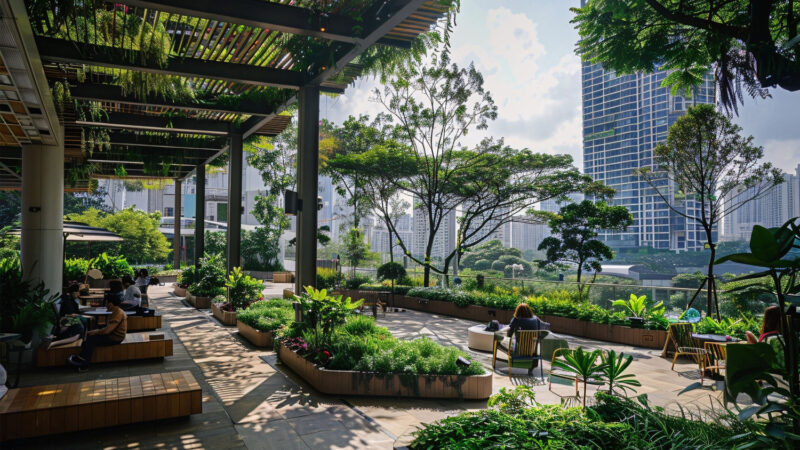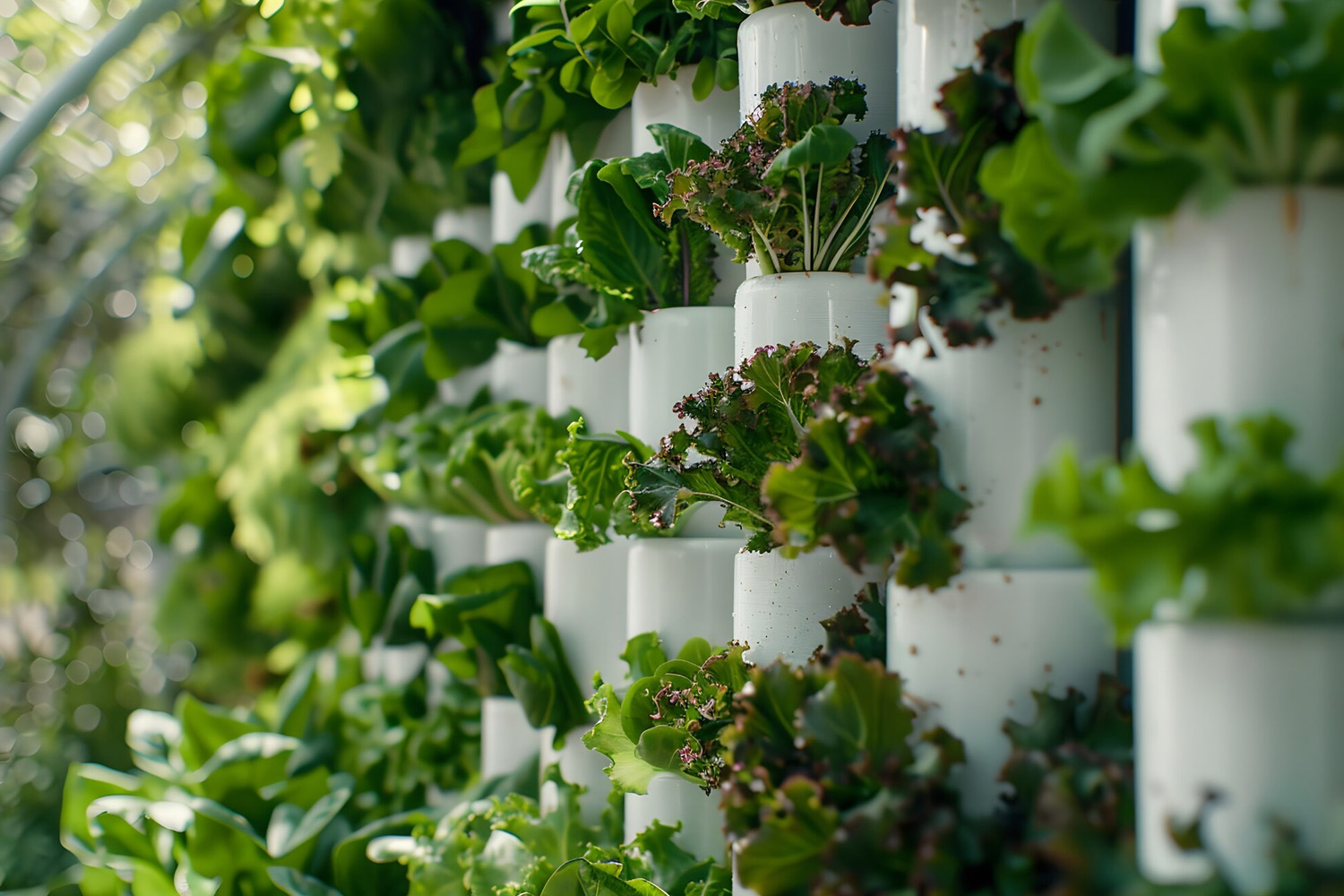
As global urban populations continue to grow, vertical farming is emerging as a transformative solution for sustainable food production in megacities. Vertical farming refers to the cultivation of crops in stacked layers within controlled indoor environments, enabling high-density food production close to consumers in urban centers.
With rapid urbanization, nearly 68% of the world’s population is projected to live in cities by 2030, increasing demand for fresh, locally produced food and straining traditional agricultural systems reliant on rural land and long supply chains. Vertical farms can be built in repurposed buildings, rooftops, or purpose-built facilities, reducing transportation costs, enhancing food security, and lowering carbon emissions associated with food distribution.
Market growth trends indicate strong expansion of the vertical farming sector. Analysts estimate that the global vertical farming market will continue growing significantly through the late 2020s and beyond, supported by increasing investment, advancing technologies, and rising consumer demand for sustainable, pesticide-free produce.
Technological innovations are central to this evolution. Artificial intelligence (AI), precision sensors, robotics, and Internet of Things (IoT) systems are increasingly used to optimize light, temperature, humidity, and nutrient delivery, improving yield and resource efficiency. These smart systems reduce water and energy waste while supporting consistent year-round crop production regardless of outdoor weather conditions.
Beyond food production, vertical farming offers broader urban benefits: it can create local jobs in tech and agriculture, support community engagement through educational programs and urban gardens, and enhance resilience against climate-related disruptions to global food systems. Future models may integrate vertical farms with renewable energy sources and circular resource systems, making them integral components of sustainable urban design.
As cities seek to balance population growth with environmental sustainability, vertical farming stands out as a scalable, resource-efficient approach to feeding millions while reducing pressure on traditional farmland and lowering the ecological footprint of food production.