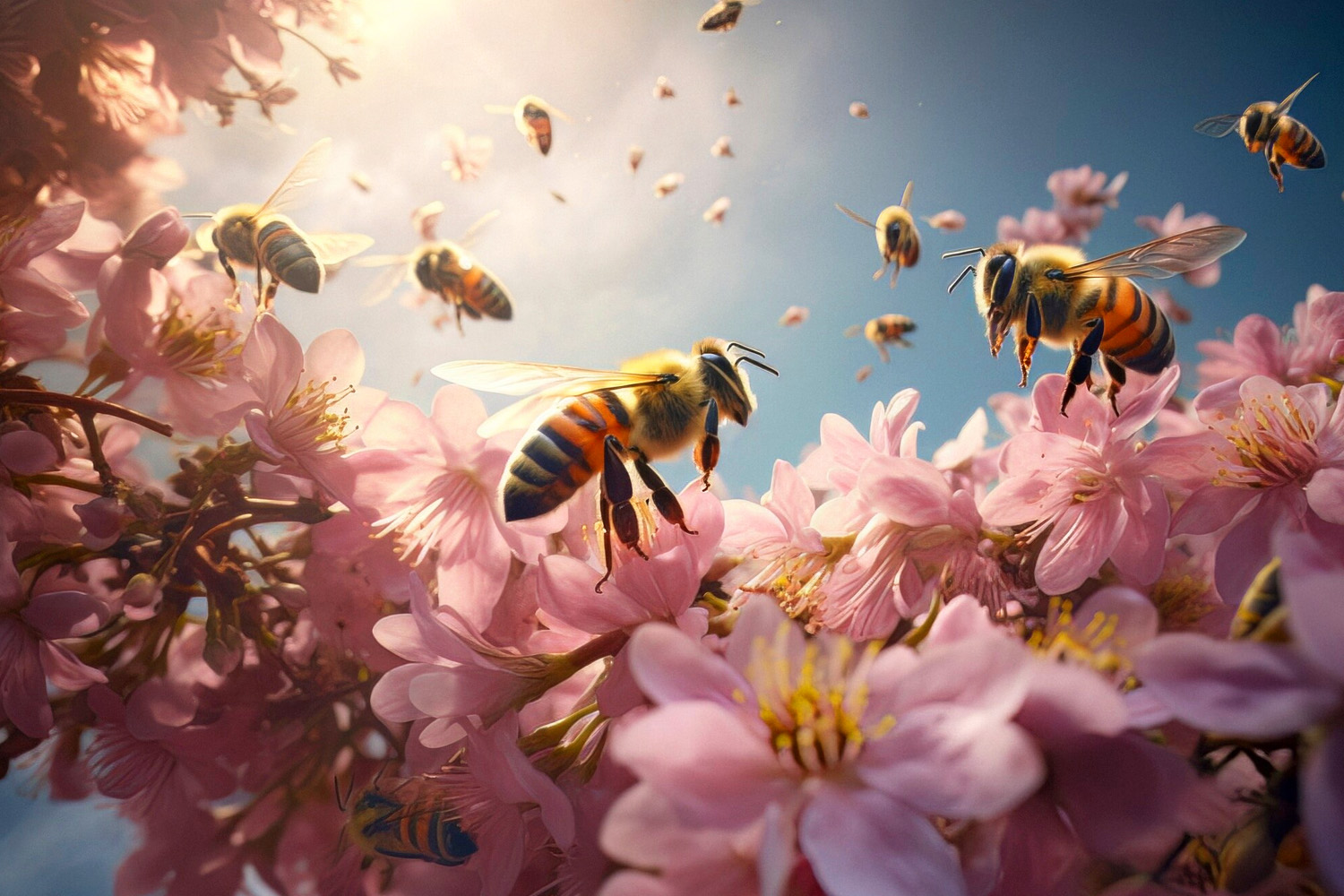
Bees play an essential role in maintaining global food security, making them one of the most important pollinators on the planet. According to the United Nations Food and Agriculture Organization (FAO), bees and other pollinators support the production of more than 75% of the world’s leading food crops. Without their contribution, millions of tons of fruits, vegetables, nuts and seeds would decline significantly, directly affecting global nutrition and food supply.
Bees and Agricultural Productivity
Pollination by bees increases both the quality and quantity of many major crops. Products such as apples, almonds, blueberries, cucumbers and coffee rely heavily on bee activity to develop properly. In many cases, yields can drop sharply when bee populations fall, making pollinators indispensable to farmers and agricultural economies.
Beyond increasing yields, bees also improve crop resilience. Proper pollination leads to stronger plants that are more capable of resisting environmental stress, pests and diseases. This helps stabilize food availability in regions vulnerable to climate fluctuations.
Biodiversity and Ecosystem Health
Bees also support biodiversity by sustaining the reproduction of flowering plants. Healthy ecosystems depend on diverse plant life, and many wild species rely on bee pollination for survival. This biodiversity, in turn, protects natural environments and contributes to long-term soil fertility, water regulation and climate balance — all of which are essential for global food systems.
Threats to Bee Populations
Despite their importance, bees are facing serious threats. Habitat loss, climate change, pesticide exposure and disease have significantly reduced bee populations in many regions. Scientific organizations have reported troubling declines in both wild and managed bee colonies, raising alarms about the potential consequences for global agriculture.
Protecting bees involves improving land management, reducing harmful pesticide use and supporting conservation efforts. Many countries and environmental groups are now promoting bee-friendly practices such as planting native flowers, expanding protected habitats and encouraging sustainable agriculture.
Why Protecting Bees Protects Our Future
Ensuring the survival of bees is directly tied to maintaining global food stability. With the world’s population continuing to grow, the demand for nutritious, diverse food sources will only increase. Safeguarding pollinators is not just an environmental concern — it is a fundamental requirement for feeding future generations.
Bees may be small, but their impact on global food security is enormous. Supporting their health today ensures a more stable, resilient and nutritious food system for the world tomorrow.