Deep-sea exploration has become one of the most important frontiers of modern marine science. Although the deep ocean covers more than 60 percent of Earth’s surface, much of it remains unexplored. Recent missions using advanced submersibles, remotely operated vehicles (ROVs), and autonomous underwater vehicles (AUVs) are revealing ecosystems that are reshaping scientific understanding of life on Earth.
New Species and Extreme Adaptations
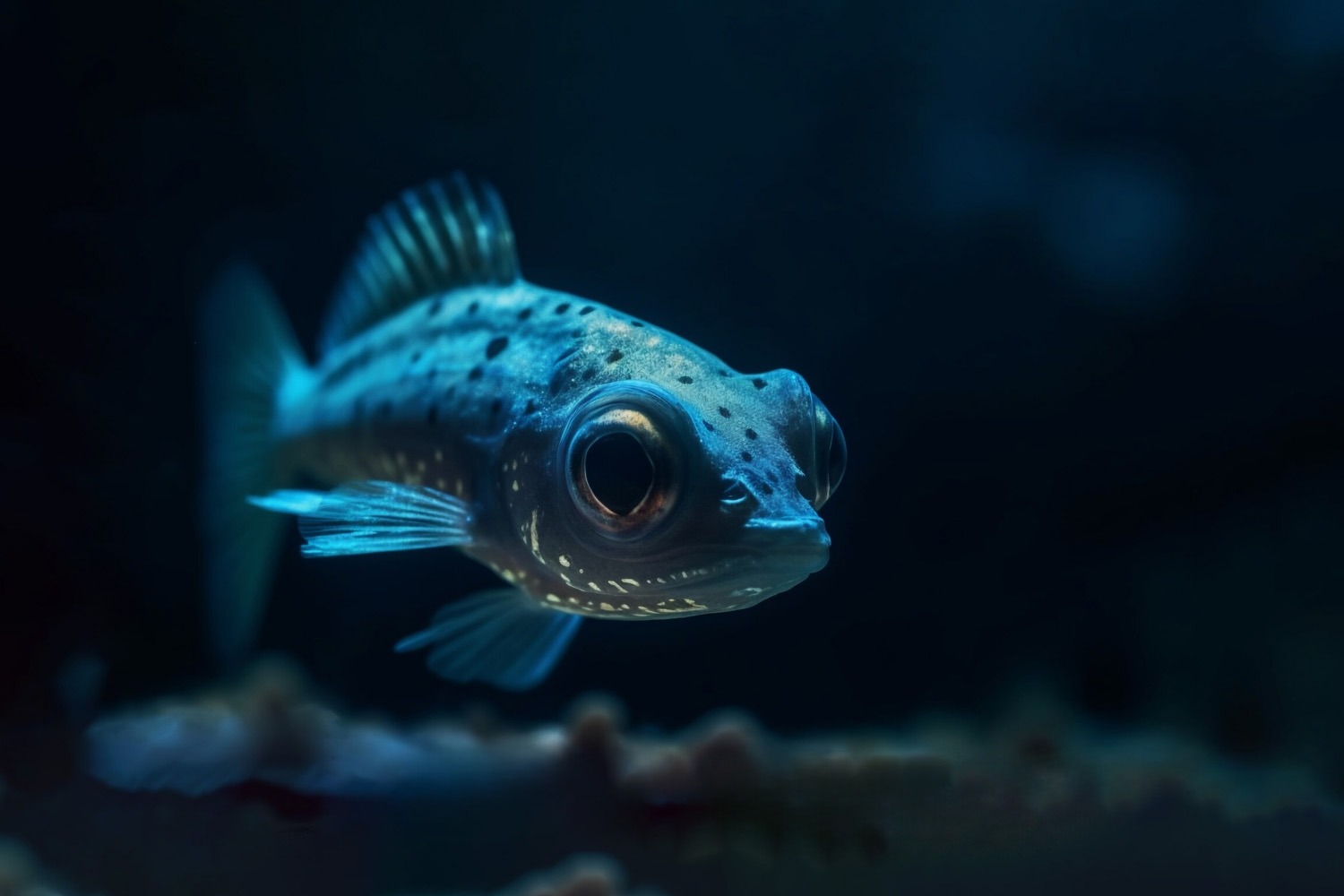
One of the most consistent outcomes of deep-sea research is the discovery of previously unknown species. Scientists continue to document new fish, crustaceans, corals, and microorganisms living at depths where sunlight does not reach. These organisms have evolved remarkable adaptations, including bioluminescence, tolerance to extreme pressure, and slow metabolic rates.
Hydrothermal vent systems remain among the most significant discoveries. These ecosystems rely on chemosynthesis rather than sunlight, proving that life can thrive in extreme environments and strengthening theories about the possibility of life beyond Earth.
Recent Notable Deep-Sea Discoveries
New Species Identified (2025)
In late 2025, researchers announced the discovery of 14 previously unknown species from depths greater than 6,000 meters. Among them were a carnivorous bivalve (Myonera aleutiana) and a parasitic isopod (Zeaione everta) with distinctive raised structures. Several species were found near hydrothermal vents along the Galápagos Rift.
Microbial Life in the Mariana Trench
Genomic studies of samples from the Mariana Trench revealed more than 7,500 microbial genomes, most previously undocumented. These microbes exhibit extreme pressure resistance and chemosynthetic metabolisms, offering insight into life at the deepest known ocean depths.
Rare Deep-Sea Animals
A seven-arm octopus (Haliphron atlanticus) was observed off the California coast in November 2025, marking only the fourth confirmed sighting in nearly 40 years.
Scientists have also documented a benthic comb jelly in the Ryukyu Trench at depths exceeding 7,200 meters — one of the deepest-living gelatinous animals known.
Newly Described Life Forms
- Gordonopsis mazupo, a deep-sea crab discovered in the South China Sea at nearly 900 meters
- Mayorella marianaensis, a deep-sea amoeba found in Mariana Trench sediments beyond 3,000 meters
Hidden Ecosystems Beneath the Seafloor
Researchers have identified thriving animal communities living beneath the ocean floor, particularly near hydrothermal vent systems such as the East Pacific Rise. These ecosystems include tubeworms, snails, and marine worms living in sub-seafloor cavities, revealing biological hotspots previously unknown to science.
Why Deep-Sea Discoveries Matter
Deep-sea discoveries influence far more than marine biology. They improve understanding of Earth’s geology, climate regulation, and evolutionary processes. Some deep-sea organisms are also studied for potential medical and biotechnological applications.
As exploration technology advances, scientists expect the deep ocean to remain a major source of transformative discoveries — offering new insights into life’s resilience and the future health of the planet.