Carnivorous plants are among the most unusual organisms in the plant kingdom. While most plants rely solely on sunlight, water, and soil nutrients, carnivorous species have evolved the ability to capture and digest small animals—mainly insects—to survive in nutrient-poor environments.
Three of the most iconic examples are Venus flytraps, pitcher plants, and sundews, each using a highly specialized trapping mechanism.
Venus Flytrap (Dionaea muscipula)
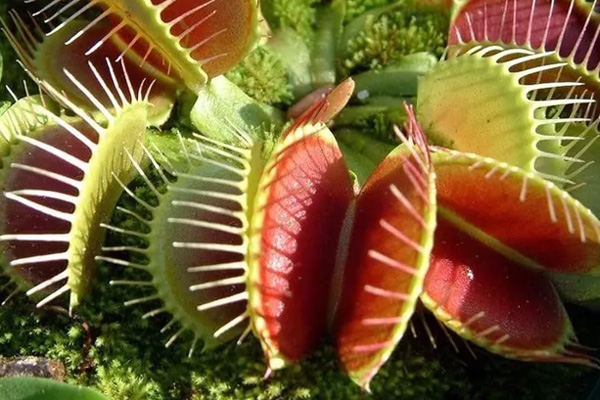
The Venus flytrap is perhaps the best-known carnivorous plant. Native to coastal areas of the Carolinas in the United States, it grows in sandy, nutrient-poor wetlands. Its trap consists of two lobes lined with hair-like sensory triggers. When an insect touches these hairs twice in quick succession, the trap snaps shut. This prevents accidental closures and saves energy.
Digestive enzymes then break down the prey so the plant can absorb essential nutrients such as nitrogen.
Pitcher Plants (Family: Nepenthaceae & Sarraceniaceae)
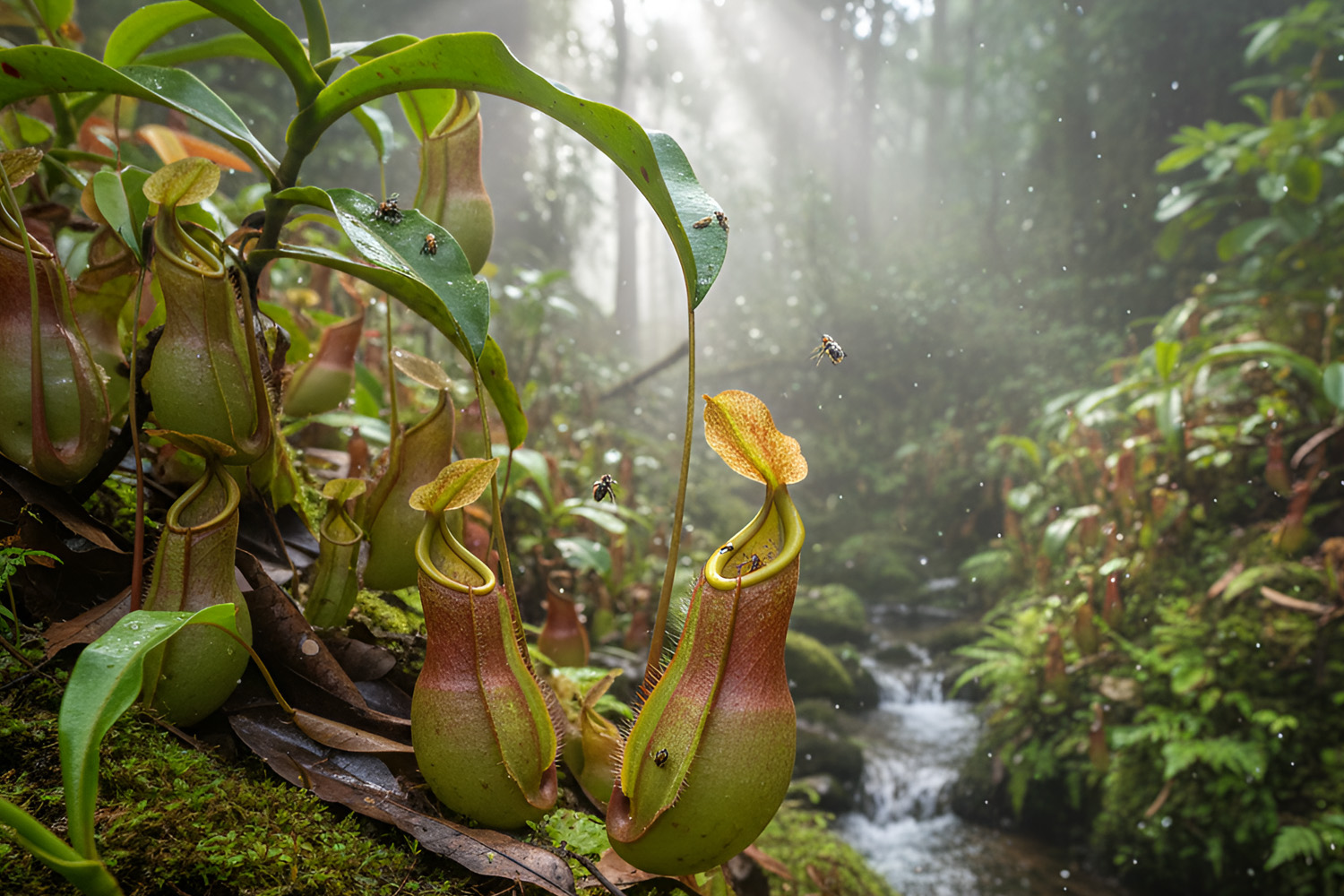
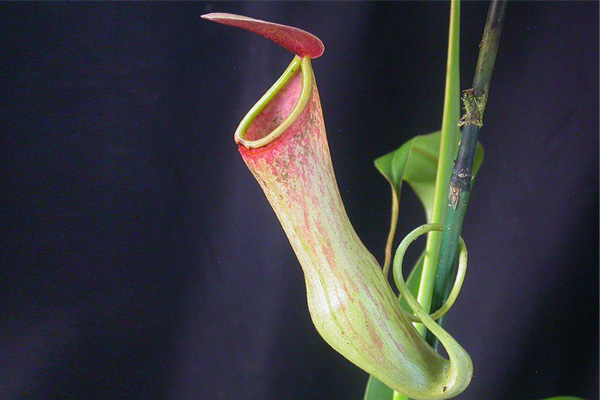
Pitcher plants use a passive trapping method. Their leaves form deep, fluid-filled tubes—“pitchers”—that lure insects with bright colors, nectar, and scent. Once inside, the prey slips on waxy surfaces or hairs that point downward, making escape nearly impossible.
These plants are widespread across Southeast Asia, North America, and parts of South America, thriving in acidic, nutrient-poor soils. Many species also form important relationships with local ecosystems, providing habitat for insects, spiders, and even small vertebrates that live inside their pitchers.
Sundews (Genus: Drosera)
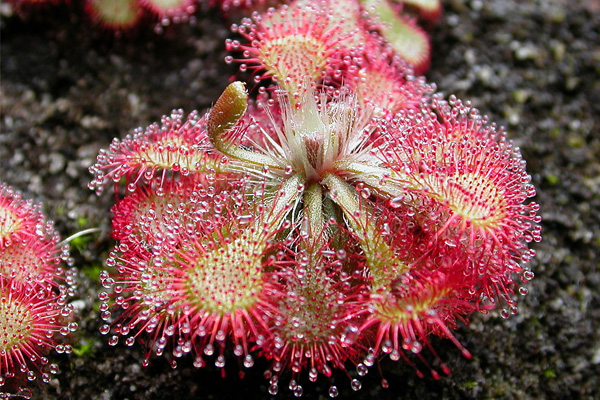
Sundews capture prey using sticky, glistening droplets on their tentacle-covered leaves. These droplets resemble dew but are actually a glue-like substance that traps insects. Once prey is caught, the tentacles slowly curve inward, increasing contact as the plant begins digestion.
Sundews are among the most diverse carnivorous plants, with species found on every continent except Antarctica.
Ecological Importance
Carnivorous plants play a valuable role in their ecosystems. They help control insect populations, support unique microhabitats, and serve as indicators of environmental health, especially in wetlands. Because they rely on very specific growing conditions, many species are sensitive to habitat loss and climate change, making their conservation increasingly important.
By controlling insect populations and supporting unique ecosystems, they remind us that even the smallest plants can play powerful roles in maintaining ecological balance.