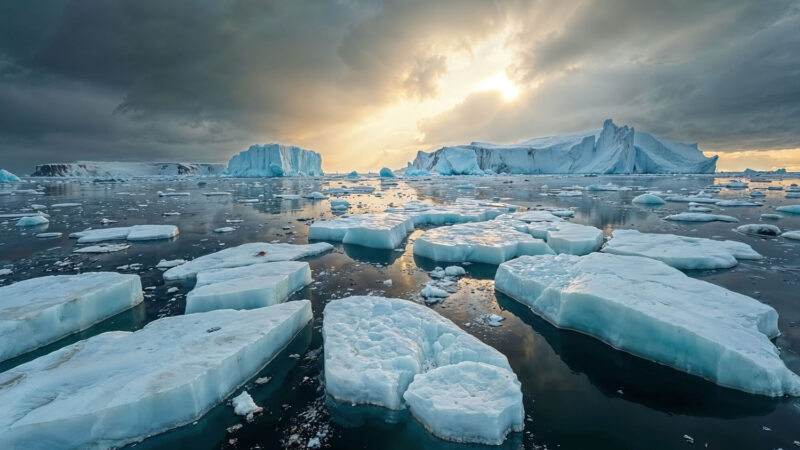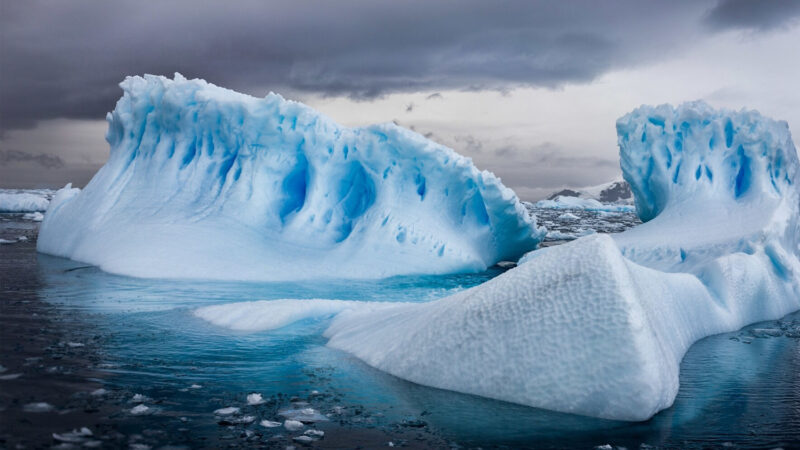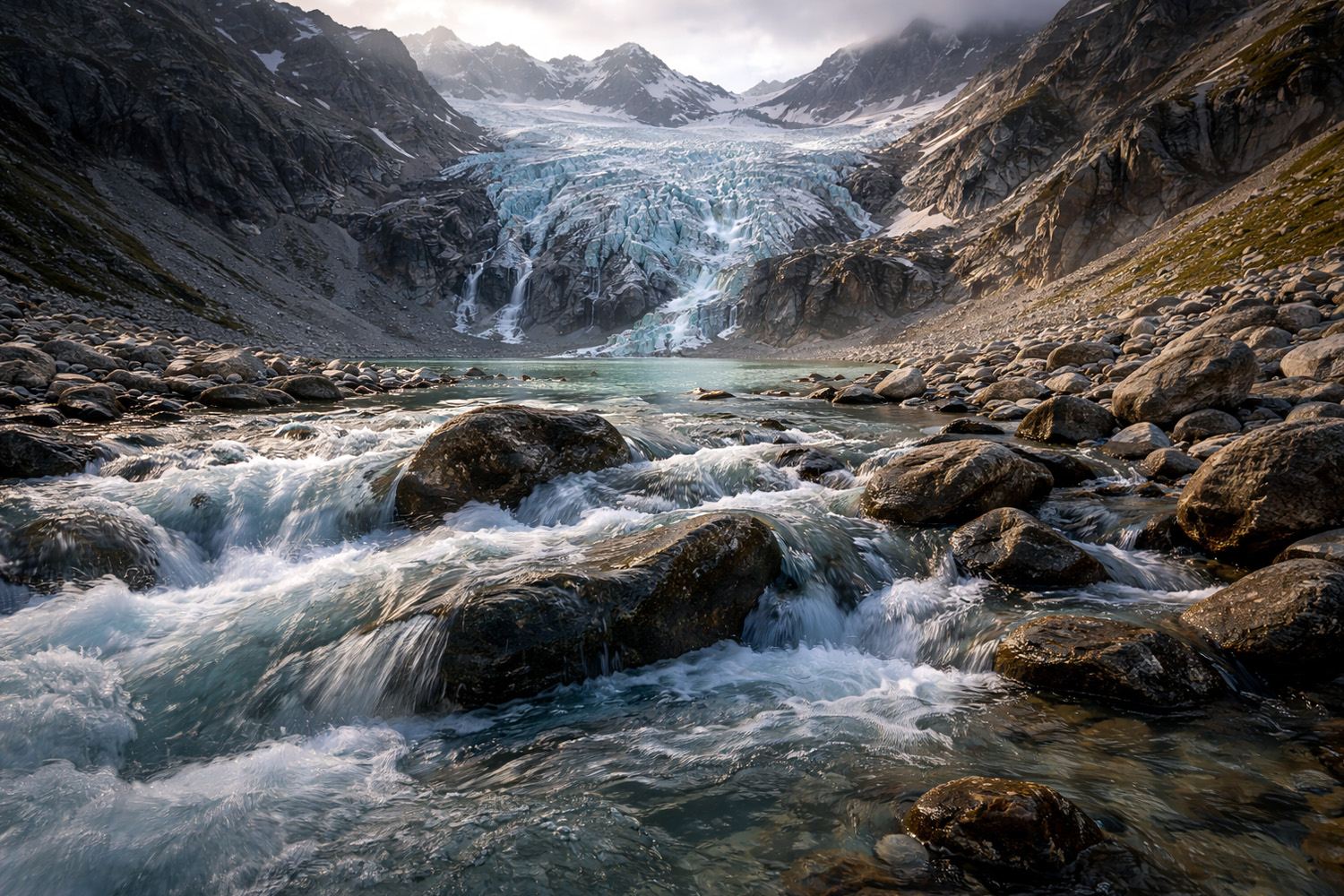
Around the world, glaciers once seen as permanent fixtures of the Earth’s landscapes are shrinking at an unprecedented rate. Driven by rising global temperatures tied to climate change, glaciers from the Himalayas to the Andes and the Alps are losing ice mass faster than at any time in the last several centuries. This rapid melting is not only a visible sign of a warming planet — it is also transforming global freshwater systems with far-reaching consequences for ecosystems, communities, agriculture and industry.
Why Glaciers Matter for Freshwater
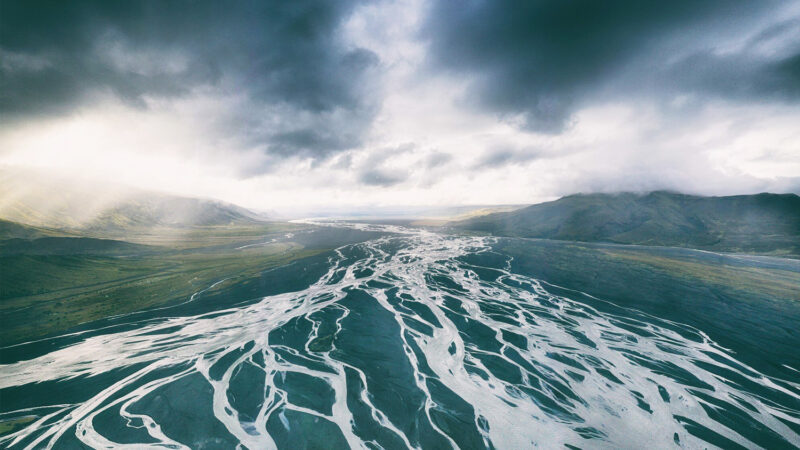
Glaciers act as natural reservoirs of freshwater, storing water in the form of ice and releasing it gradually through melting. In many regions, glacier melt feeds rivers and streams that millions of people and ecosystems depend on. In Asia, for example, large river systems such as the Ganges, Indus and Brahmaputra are sustained in part by glacier runoff. Similarly, glaciers in the Andes support rivers that are essential for drinking water, irrigation and hydropower across South America.
When glaciers were stable or growing, they released meltwater in warmer months, helping to maintain river flows during dry seasons. But as glaciers shrink, this balance is disrupted — leading to periods of initially increased runoff followed by long-term declines in water availability as the ice reserves deplete.
Recent Trends: Rapid Ice Loss and Changing Water Patterns
Satellite observations and field measurements in recent years show that many of the world’s major glacier systems are losing mass at accelerating rates. A 2023 assessment by the World Glacier Monitoring Service (WGMS) found that glaciers in regions including the European Alps, Alaska, and the Southern Andes have experienced significant ice loss over the past decade, contributing to changes in river flows and rising sea levels. (Exact numbers vary by region and monitoring period, but the trend of decline is consistent across studies.)
In the short term, increased melt can temporarily boost river flows, leading to higher water volume in some basins. While this may seem beneficial, it can bring challenges such as erosion, increased sedimentation and flood risk during peak melt seasons. Over the long term, however, the loss of glacier ice reduces the storage capacity that once sustained rivers during dry spells and droughts.
Impacts on People and Ecosystems
Communities that rely on glacier-fed rivers face growing uncertainty. In parts of South Asia and Central Asia, where large populations depend on steady meltwater for agriculture and daily use, reduced glacier reserves could mean less available water for crops, livestock and households during dry seasons. In some Andean cities, declining glacier runoff is already affecting municipal water supplies, prompting searches for new water sources.
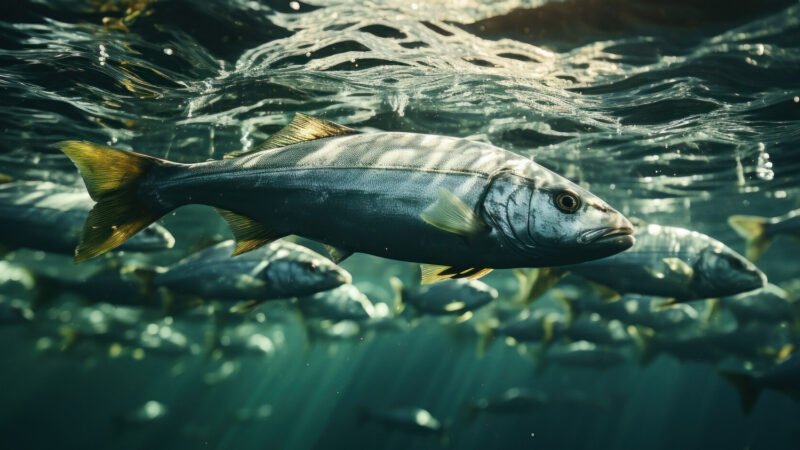
Freshwater ecosystems are also sensitive to shifts in glacier melt. Many cold-water species of fish and invertebrates rely on consistent, cool, oxygen-rich river environments. As glacier melt patterns change, water temperatures and flow regimes are altered, straining ecosystems that evolved around historic seasonal rhythms.
Hydropower and Economic Effects
Hydropower production in regions that depend on glacier-fed rivers may also be at risk. For example, hydroelectric facilities in parts of South America and Asia draw on seasonal meltwater flows. While increased melt can temporarily elevate generation capacity, diminished long-term flow threatens consistent energy production, which could affect local energy grids and economic planning.
Sea Level Rise and Global Water Cycles
The melting of glaciers contributes directly to sea level rise, which poses risks for coastal communities worldwide. While sea level rise is largely driven by thermal expansion of seawater and ice loss from Greenland and Antarctica, mountain glacier melt makes a measurable contribution that adds to global totals. This interconnected shift in water distribution — from land ice to oceans — has global implications for water cycles, weather patterns and coastal flood risk.
What This Means for the Future
Addressing the impacts of glacier melt requires both local water management solutions and broader climate mitigation efforts:
- Improved water infrastructure — such as reservoirs, storage systems and irrigation efficiency — can help communities adapt to changing seasonal supplies.
- Ecosystem protection — maintaining healthy river environments supports resilient freshwater systems.
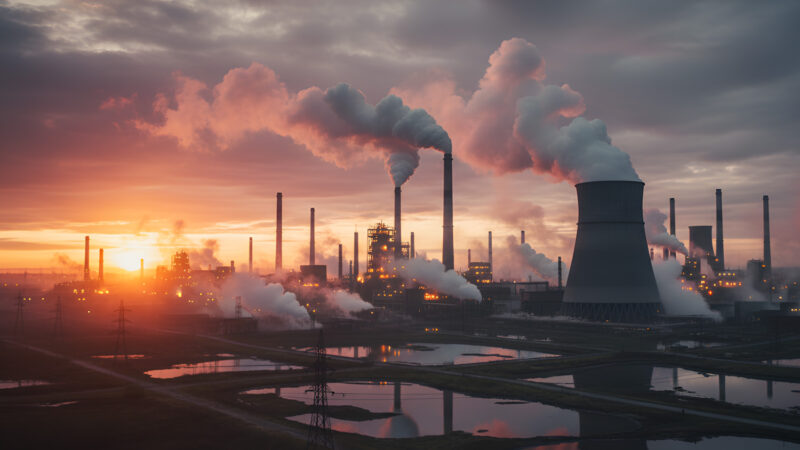
- Climate action — reducing greenhouse gas emissions remains critical to slowing the warming that drives glacier loss.
Scientists continue to monitor glacier mass and river systems using satellites, field stations and hydrological models to improve predictions of future freshwater availability. While specific projections vary by region, the overall scientific consensus is clear: glacier loss will reshape freshwater resources in many parts of the world, affecting both natural systems and human communities.