Over the past 100 years, the Earth’s climate has undergone profound and measurable changes. From rising global temperatures and melting glaciers to shifting weather patterns, every continent has felt the effects. Scientists have described this period as one of the fastest climate transformations in human history, with implications that now touch every part of modern life — from agriculture and water supply to global migration and biodiversity.
Global Temperature Rise
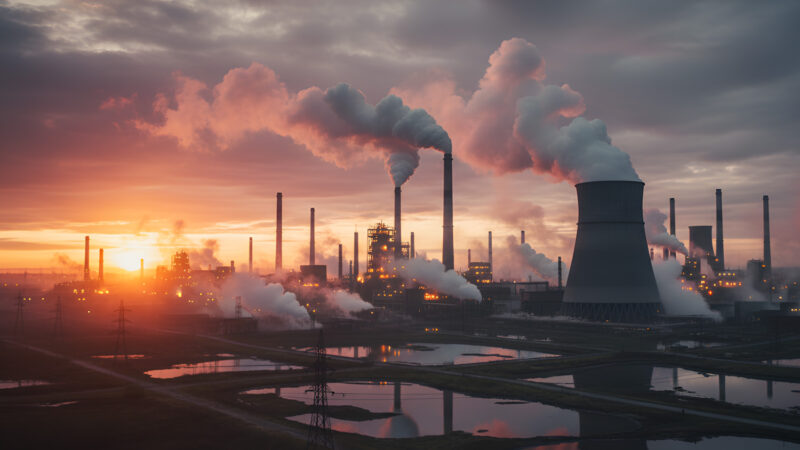
According to NASA and the World Meteorological Organization (WMO), the Earth’s average surface temperature has increased by approximately 1.2°C (2.2°F) since the late 19th century. This may sound small, but it has triggered major environmental shifts. The most rapid increase occurred after the 1970s, coinciding with industrial expansion and the massive burning of fossil fuels.
Regional impacts vary:
- The Arctic has warmed by more than 3°C (5.4°F) — nearly three times the global average.
- Europe has seen an average increase of around 2°C, with hotter summers and milder winters.
- Asia and North America have recorded frequent heatwaves and droughts, altering rainfall cycles.
- Africa faces intensified desertification in regions like the Sahel, while Australia experiences longer fire seasons and marine heatwaves.
The Melting of Glaciers and Polar Ice
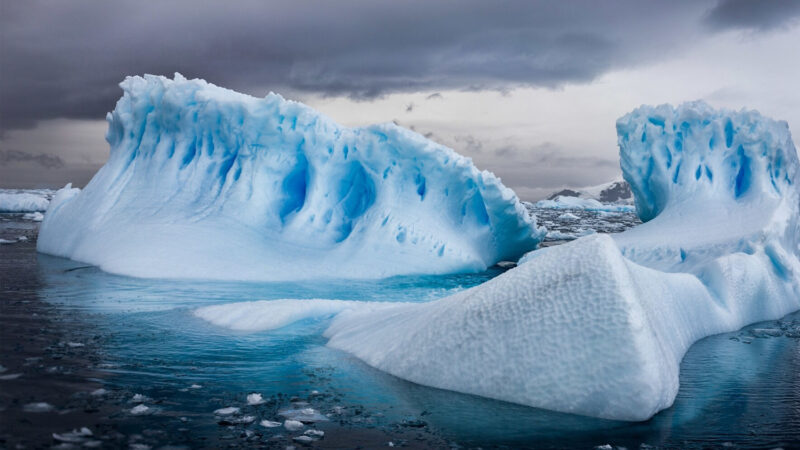
One of the most visible signs of climate change is the accelerated melting of glaciers and ice sheets. According to data from NASA’s GRACE satellite mission and the IPCC (Intergovernmental Panel on Climate Change):
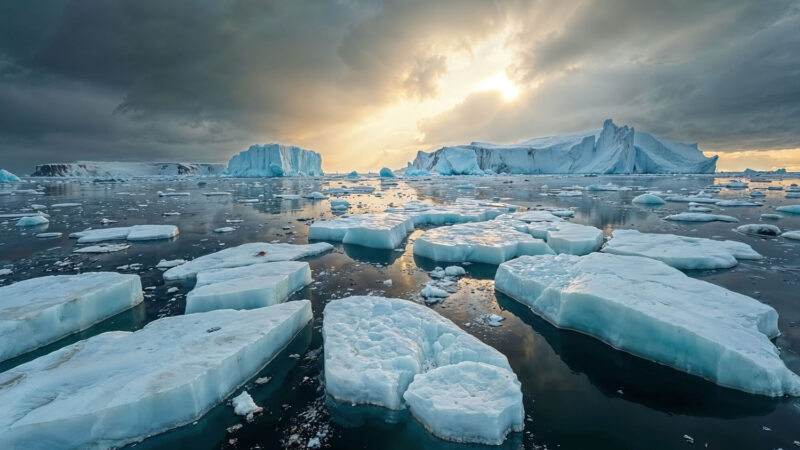
- The Greenland Ice Sheet loses around 270 billion tons of ice annually.
- The Antarctic Ice Sheet is losing about 150 billion tons per year.
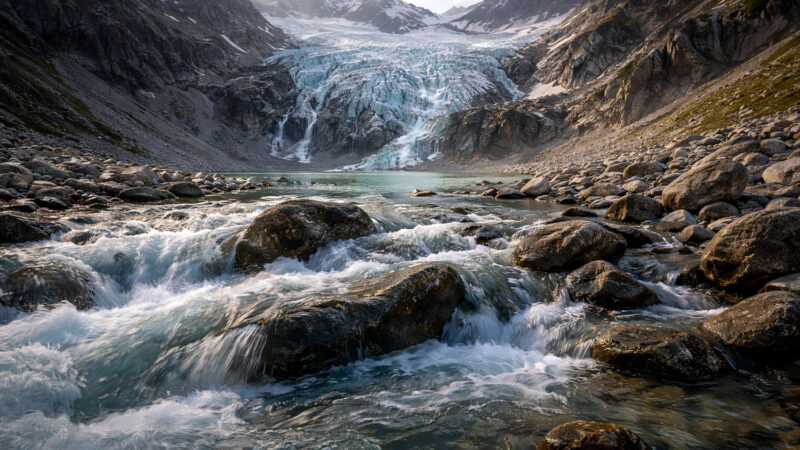
- Mountain glaciers in the Alps, Andes, and Himalayas have shrunk dramatically — some by over 40% since the early 20th century.
This massive ice loss contributes to rising sea levels, which have increased by approximately 21 centimeters (8 inches) since 1900. Low-lying nations such as the Maldives, Bangladesh, and small Pacific island states are already witnessing the encroachment of saltwater on farmland and settlements.
Changing Weather Patterns
The rise in temperature has intensified extreme weather events around the world.
- Heatwaves are becoming more frequent and longer-lasting.
- Droughts and wildfires are increasing in areas such as California, southern Europe, and Australia.
- Hurricanes and typhoons have grown stronger due to warmer ocean waters, leading to greater flooding and storm surges.
- In contrast, some regions experience heavier rainfall and flash flooding due to increased atmospheric moisture.
Impact on Ecosystems and Human Life
The changing climate affects not only landscapes but also entire ecosystems and societies.
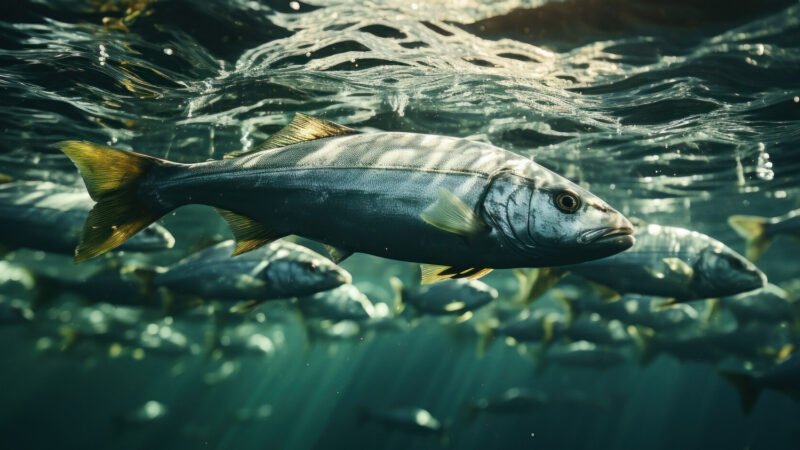
- Coral reefs, like the Great Barrier Reef, have suffered severe bleaching from higher sea temperatures.
- Biodiversity loss has accelerated — species that cannot adapt or migrate face extinction.
- Agricultural patterns are shifting, forcing farmers to adapt crops and irrigation systems.
- Health impacts include heat-related illnesses, expanding disease zones, and increased air pollution.
Economically, climate-related disasters cost the global economy over $300 billion annually, according to the UN Environment Programme (UNEP).
What to Expect in the Coming Years
If current trends continue, scientists project that by 2050, the planet could warm by 1.5°C to 2°C compared to pre-industrial levels — the critical threshold defined by the Paris Agreement.
This would mean:
- Further sea-level rise of up to 30 cm by mid-century.
- Increased water scarcity in arid regions.
- More climate-induced migration, as millions seek safer, more livable areas.
- Higher pressure on global food supplies and ecosystems.
However, there is still room for optimism. Rapid transitions to renewable energy, reforestation efforts, and international cooperation can significantly reduce emissions. Technologies such as carbon capture and green hydrogen are emerging as potential solutions.
Conclusion
The past century has been a wake-up call: Earth’s climate is changing faster than ever before, and human activity is the primary driver. While the challenges are immense, science and innovation offer real opportunities to adapt and mitigate. The choices made in the next decade will determine not only the planet’s climate but the future of every generation that follows.