Cinema has undergone an extraordinary transformation over the past century—from grainy black-and-white silent films to immersive digital productions available on demand worldwide. Each era of filmmaking reflects not only advancements in technology but also changes in culture, audience behavior, and storytelling itself.
The Birth of Silent Cinema
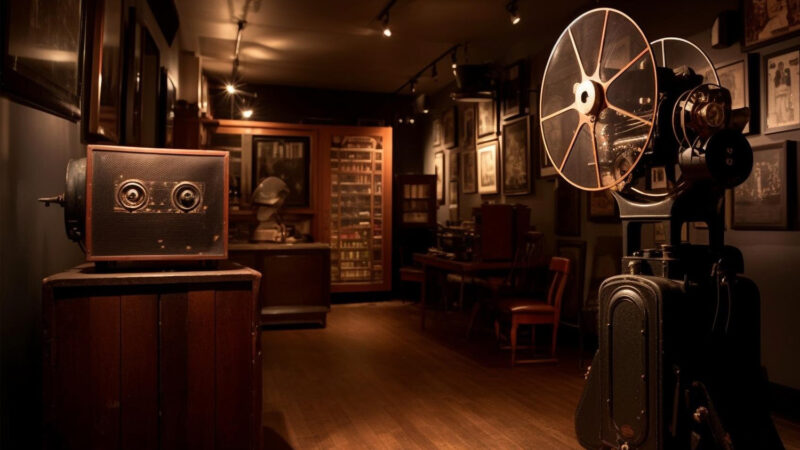
The journey began in the late 19th century, with pioneers like the Lumière brothers and Georges Méliès creating short, silent films that amazed audiences. These early productions relied on expressive acting and visual storytelling to convey emotion in the absence of sound. Films like A Trip to the Moon (1902) marked the birth of cinematic imagination.
The Sound Revolution and Golden Age
In 1927, The Jazz Singer introduced synchronized sound to film, forever changing the industry. The “talkies” opened new possibilities for dialogue, music, and realism, leading to Hollywood’s Golden Age in the 1930s and 1940s. Studios like MGM, Warner Bros., and Paramount became cultural powerhouses, producing timeless classics that defined generations.
Color, Special Effects, and the Blockbuster Era
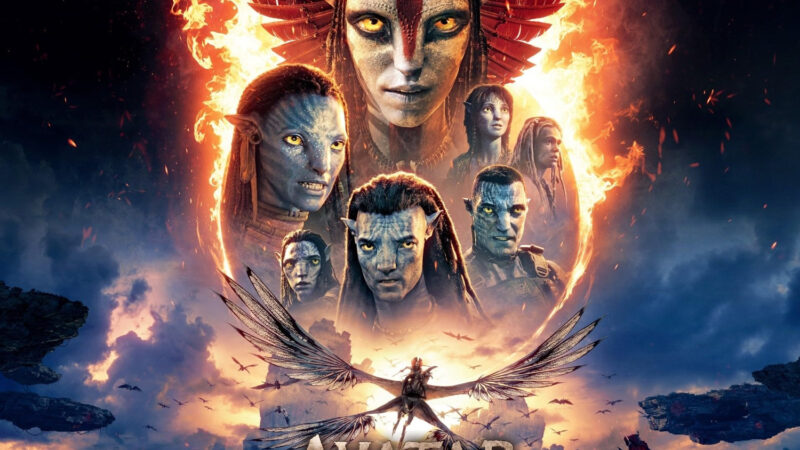
The mid-20th century brought vibrant color films, widescreen formats, and eventually the rise of special effects. Movies like Star Wars (1977) and Jurassic Park (1993) demonstrated how technology could create entire universes. Directors embraced visual innovation, making cinema a truly global phenomenon.
Digital Filmmaking and the Internet Revolution
By the 2000s, digital cameras and editing software replaced film reels, making production faster and more accessible. The internet soon revolutionized distribution—ushering in the age of online platforms like YouTube, Netflix, and Amazon Prime, which democratized filmmaking and changed how audiences consume content.
The Streaming Era
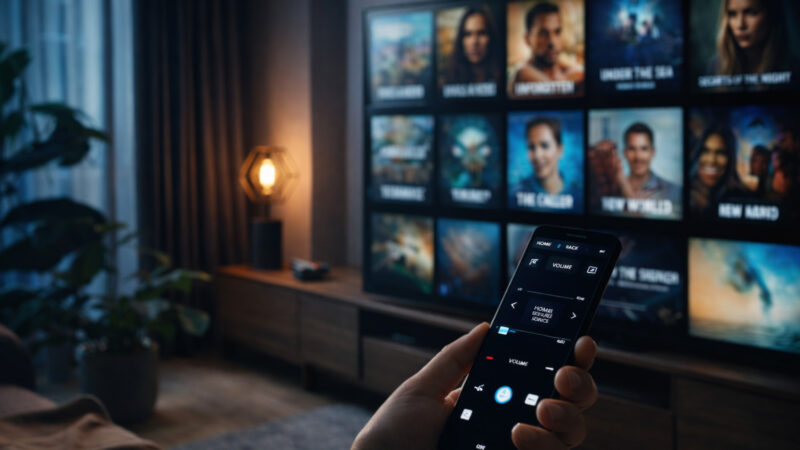
Today, streaming services dominate the entertainment landscape, offering instant access to vast film libraries across devices. Algorithms personalize recommendations, while global releases bridge cultural gaps. Independent creators and major studios alike now compete on the same digital stage, redefining what cinema means in the 21st century.
Looking Ahead
As virtual reality, artificial intelligence, and immersive storytelling technologies continue to evolve, cinema is once again on the brink of reinvention. From silent beginnings to streaming supremacy, film remains one of humanity’s most powerful tools for storytelling and connection.