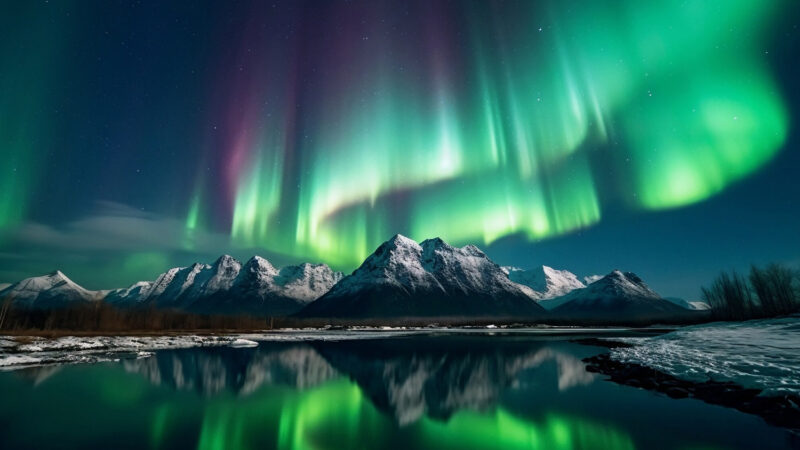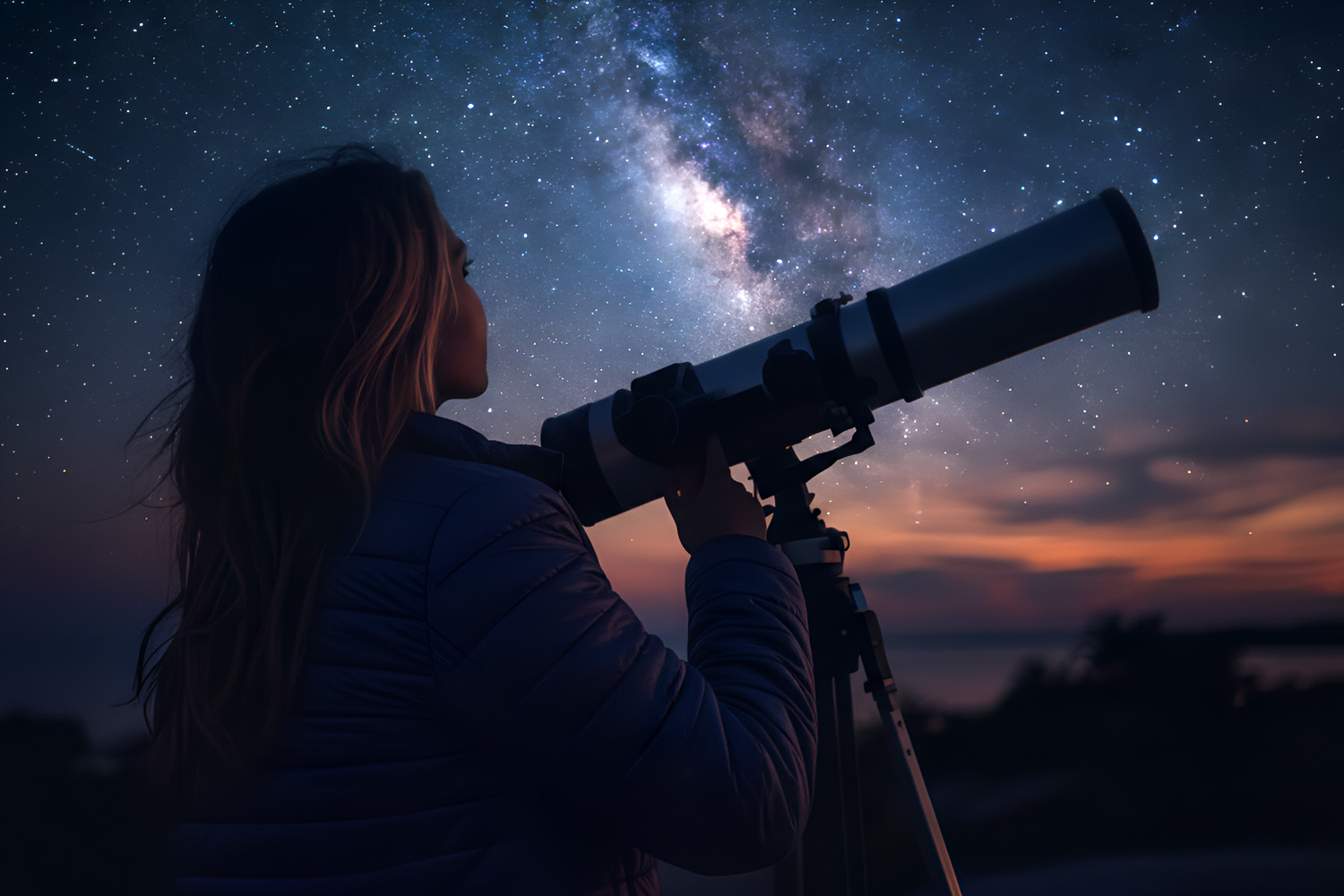
Astro tourism is rapidly evolving from a niche hobby into a global travel trend, driven by growing interest in astronomy, astrophotography, and dark-sky conservation. As light pollution intensifies in major cities, travelers are increasingly seeking remote destinations that offer pristine night skies, guided telescope sessions, and immersive celestial experiences.
Below are some of the world’s most renowned stargazing retreats that consistently attract astronomy enthusiasts.
Atacama Desert, Chile
The Atacama Desert is widely regarded as one of the best stargazing locations on Earth. Its high altitude, extremely dry climate, and minimal cloud cover create near-perfect observing conditions. The region hosts major observatories and luxury eco-lodges offering guided night-sky tours, making it a cornerstone of South America’s astro tourism industry.
Aoraki Mackenzie Dark Sky Reserve, New Zealand
Recognized internationally for its exceptional sky quality, the Aoraki Mackenzie Dark Sky Reserve in New Zealand offers unobstructed views of the Milky Way, Southern Cross, and deep-sky objects. The reserve combines scientific credibility with sustainable tourism infrastructure, positioning it as a model for dark-sky preservation.
NamibRand Nature Reserve, Namibia
The NamibRand Nature Reserve is one of Africa’s premier dark-sky destinations. Located in the Namib Desert, it was designated as a dark sky reserve due to its extremely low light pollution. High-end desert lodges cater specifically to astro travelers, offering telescope access and astrophotography workshops.
Bryce Canyon National Park, United States
In the U.S., Bryce Canyon National Park stands out for its astronomy programs and dark-sky status. Park rangers regularly host night-sky festivals and telescope sessions, combining public education with natural spectacle. The American Southwest remains one of the most accessible astro tourism regions globally.
Why It Matters
Astro tourism reflects a broader shift toward experience-driven travel. Unlike traditional sightseeing, stargazing retreats emphasize sustainability, environmental awareness, and scientific engagement. The growth of certified dark-sky reserves demonstrates increasing collaboration between conservation groups and tourism authorities.
As space agencies and private companies expand space exploration initiatives, public fascination with the cosmos continues to grow. Astro tourism provides an accessible, earthbound way for travelers to connect with that excitement.
Trend Impact
The expansion of dark-sky accommodations and astronomy-focused resorts signals long-term growth potential in this niche. Regions that preserve low light pollution are gaining economic advantages, while travelers are redefining luxury to include silence, remoteness, and celestial clarity.
For tourism boards and investors alike, the night sky is becoming a valuable and sustainable natural asset.