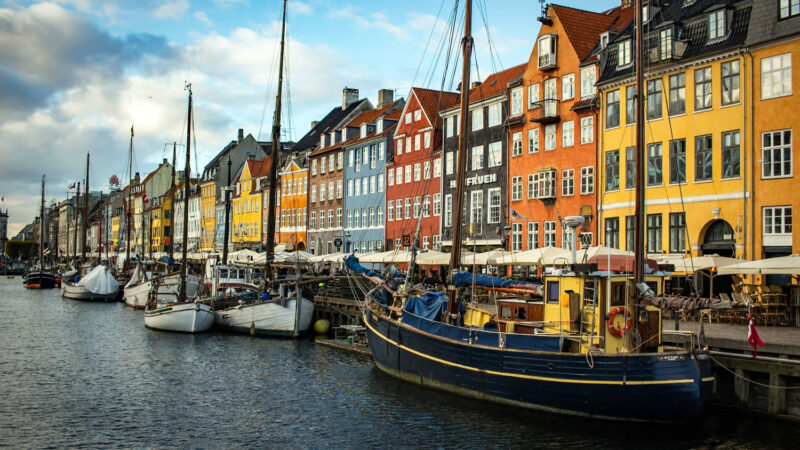
The World Travel & Tourism Council (WTTC) publishes a Cities Economic Impact report that estimates the direct Travel & Tourism GDP of major cities. The table below lists the 10 cities with the largest Travel & Tourism direct GDP (USD) on the most recent WTTC city dataset (reported for 2022 and published in WTTC materials). Figures show the economic value generated directly by travel & tourism activity in each city (hotels, passenger transport, attractions, F&B, etc.).
Top 10 cities by direct Travel & Tourism GDP (WTTC, 2022)
- Paris, France — US$35.7 billion
Why tourists come: World-class museums (Louvre, Musée d’Orsay), iconic landmarks (Eiffel Tower, Notre-Dame), gastronomy, luxury shopping and major events (fashion weeks, sports). - Beijing, China — US$32.6 billion
Why tourists come: Historic sites (Forbidden City, Great Wall nearby), cultural festivals, business travel and growing MICE (meetings, incentives, conferences and exhibitions) activity. - Orlando, USA — US$31.1 billion
Why tourists come: Theme-park economy anchored by Walt Disney World, Universal Orlando Resort and numerous family-oriented attractions that drive very high visitor spend. - Shanghai, China — US$29.7 billion
Why tourists come: Modern skyline (Pudong), historic Bund, major shopping and business hub; strong mix of leisure and business tourism. - Las Vegas, USA — US$23.0 billion
Why tourists come: Gaming and entertainment district, large convention business, nightlife and major shows — high per-visitor spending on gambling, hotels and entertainment. - New York City, USA — US$21.1 billion
Why tourists come: Cultural institutions (Broadway, MoMA, MET), finance/business travel, iconic sights (Times Square, Central Park) and year-round events that attract domestic and international spending. - Tokyo, Japan — US$18.0 billion
Why tourists come: Unique cultural mix of temples, modern districts (Shibuya, Shinjuku), cuisine, shopping and business travel. Tokyo’s attractions support both high volumes and strong spending. - Mexico City, Mexico — US$16.8 billion
Why tourists come: Rich cultural heritage, museums (e.g., Museo Nacional de Antropología), culinary scene and growing international tourism and business travel. - London, UK — US$14.9 billion
Why tourists come: Museums and heritage (British Museum, Tower of London), theater (West End), finance-driven business travel and major events that attract international visitors. - Guangzhou, China — US$13.2 billion
Why tourists come: Major trade-fair hub (Canton Fair), regional tourism, business travel and growing leisure attractions.
What these numbers mean
- “Most profitable” = direct tourism GDP: The WTTC figures quantify the direct contribution of travel & tourism to a city’s economy — not total visitor numbers or total inbound spend by foreign visitors alone. This measures actual economic value of tourism-related sectors in the city.
- Why some cities rank higher than “most visited”: Cities like Orlando and Las Vegas benefit from very high per-visitor spending (theme parks, gambling, conventions) even if they host fewer international arrivals than mega-destination cities. Conversely, cities with huge arrival counts (e.g., Bangkok, Istanbul) may have lower per-visitor spend and therefore lower direct tourism GDP in some rankings.
Common reasons tourists spend more in these cities
- High-value attractions and experiences: Theme parks, casinos, luxury retail, premium dining and marquee cultural institutions increase per-visitor spend.
- Business and MICE tourism: Cities that host large conferences, fairs and corporate travel (Guangzhou, Las Vegas, Beijing, London) capture lucrative business spending.
- Strong tourism infrastructure: Direct flights, large hotel capacity and efficient transport networks help convert footfall into revenue.
- Events and seasonality: Sporting events (e.g., Olympics, World Cups), festivals and conventions can create spikes in tourism GDP.
Final takeaway
The “most profitable” tourist cities blend high visitor volumes with strong per-visitor spending driven by attractions, events and business travel. Paris, Beijing and Orlando top the WTTC city list because they combine world-class cultural assets, high-value leisure products and robust tourism infrastructures that convert visits into substantial local economic value. These numbers highlight where tourism creates the largest direct economic returns — and why destination strategy (attractions, events, infrastructure) matters as much as raw arrival counts.