Some places on Earth look so extraordinary that they seem fictional. Shaped by geology, climate, and time, these landscapes challenge expectations and blur the line between reality and imagination. Despite their surreal appearance, every location listed below is real, well-documented, and scientifically explainable.
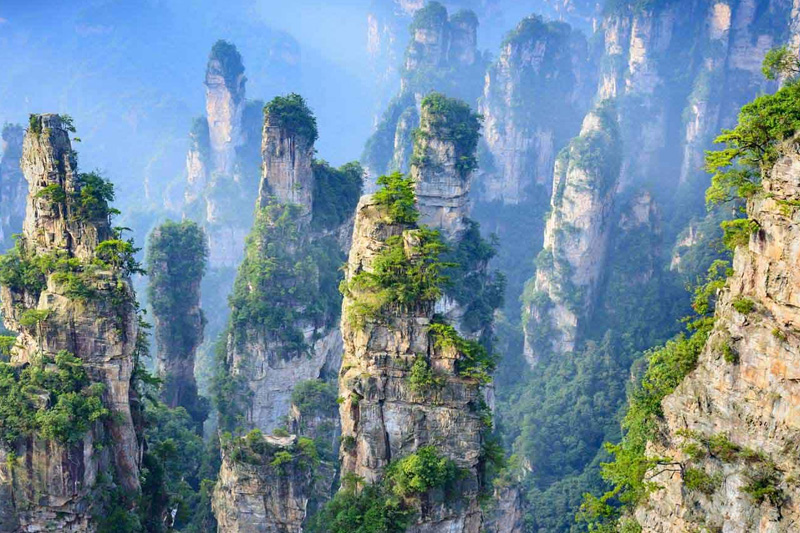
1. Zhangjiajie National Forest Park, China
Towering sandstone pillars rise hundreds of meters above the forest floor, often shrouded in mist. These formations were created through millions of years of erosion and tectonic uplift. The landscape is frequently cited as inspiration for floating-mountain imagery in modern popular culture, though its origins are entirely natural.
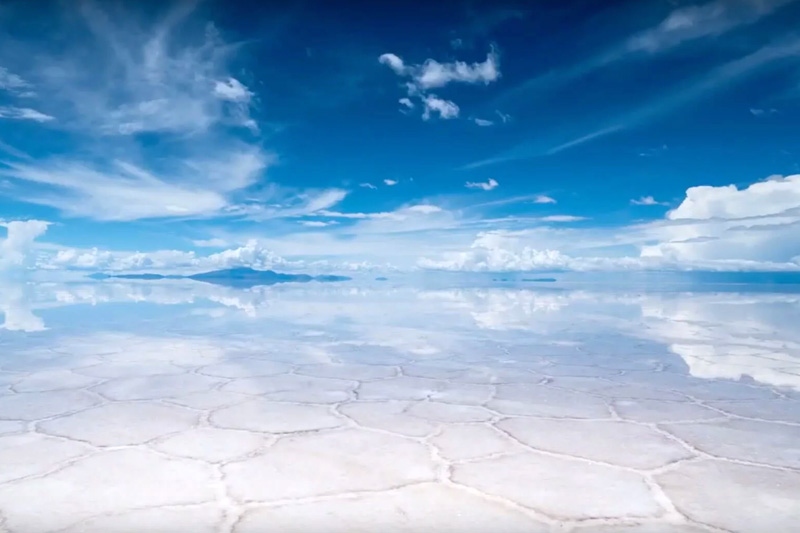
2. Salar de Uyuni, Bolivia
The world’s largest salt flat becomes mirror-like during the rainy season, reflecting the sky so perfectly that the horizon disappears. Formed from the evaporation of ancient lakes, Salar de Uyuni is also one of the flattest places on Earth, making it vital for satellite calibration.
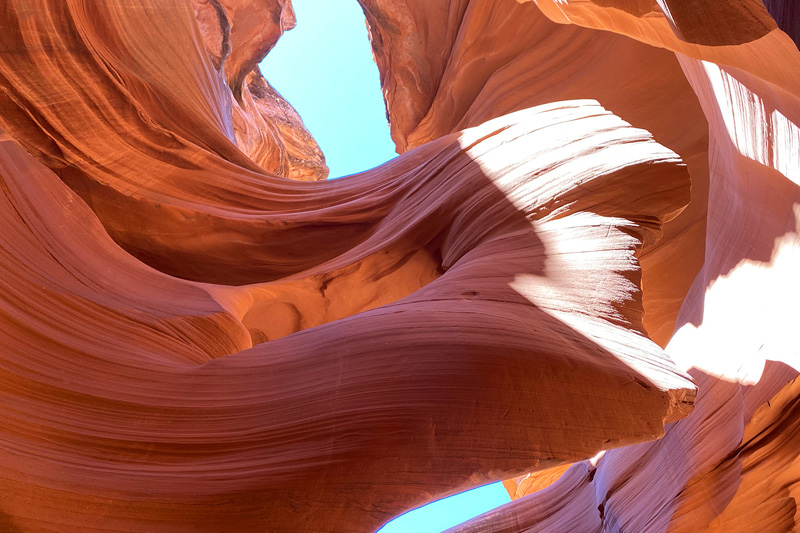
3. Antelope Canyon, United States
Located in Arizona, this narrow slot canyon features flowing, wave-like walls sculpted by flash floods over thousands of years. The interplay of sunlight and smooth sandstone creates glowing reds and oranges that change throughout the day.
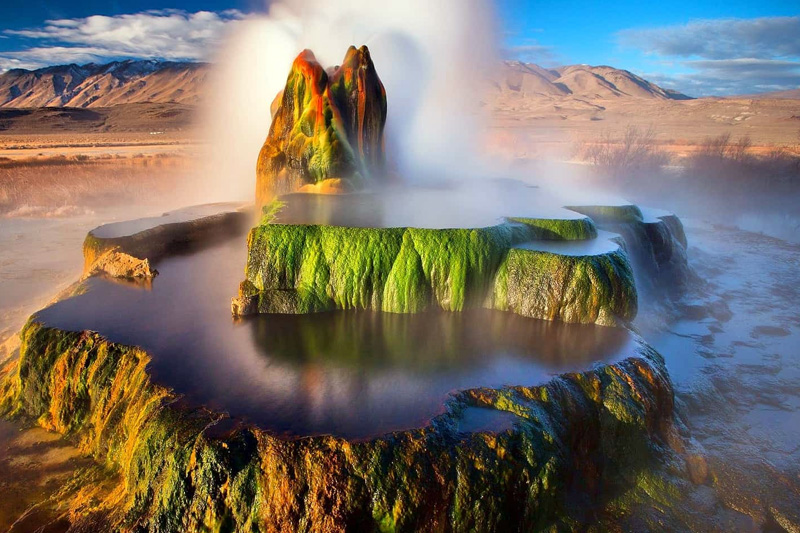
4. Fly Geyser, United States
This vividly colored geothermal formation in Nevada emerged accidentally during a drilling operation in the 20th century. Mineral-rich water continues to build cone-like structures while thermophilic algae give it its distinctive red and green hues.
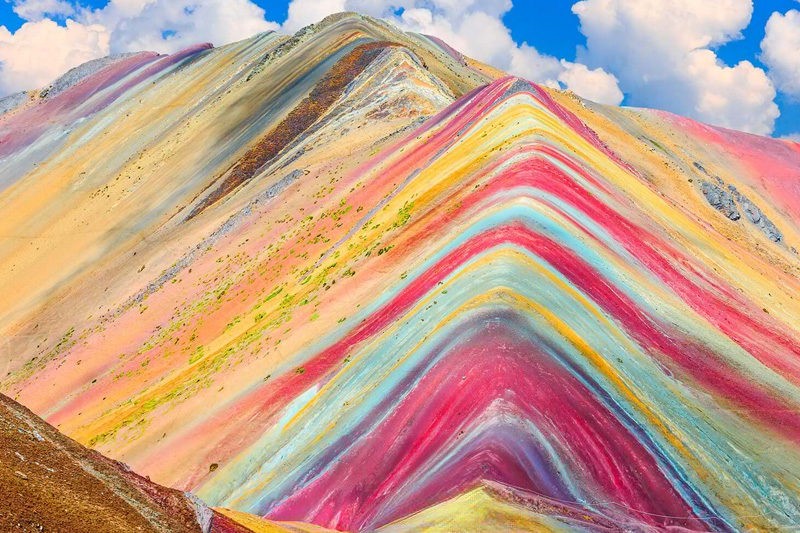
5. Rainbow Mountains (Vinicunca), Peru
The multicolored slopes of this Andean mountain are the result of mineral layering, including iron oxides, sulfur, and copper compounds. The colors became visible only after glacial retreat exposed the surface, making it a relatively recent discovery for global tourism.
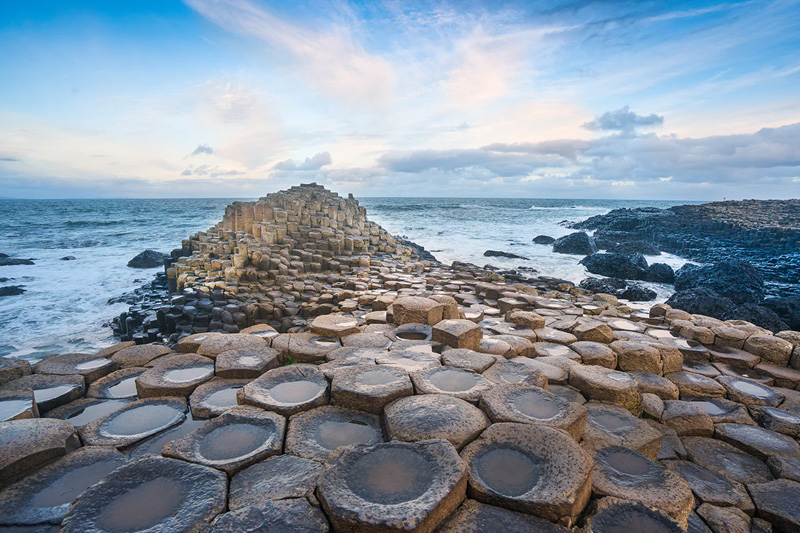
6. Giant’s Causeway, Northern Ireland
Composed of around 40,000 interlocking basalt columns, this coastal formation resulted from volcanic lava cooling and fracturing evenly. While local legends attribute it to giants, geologists have confirmed its volcanic origin.
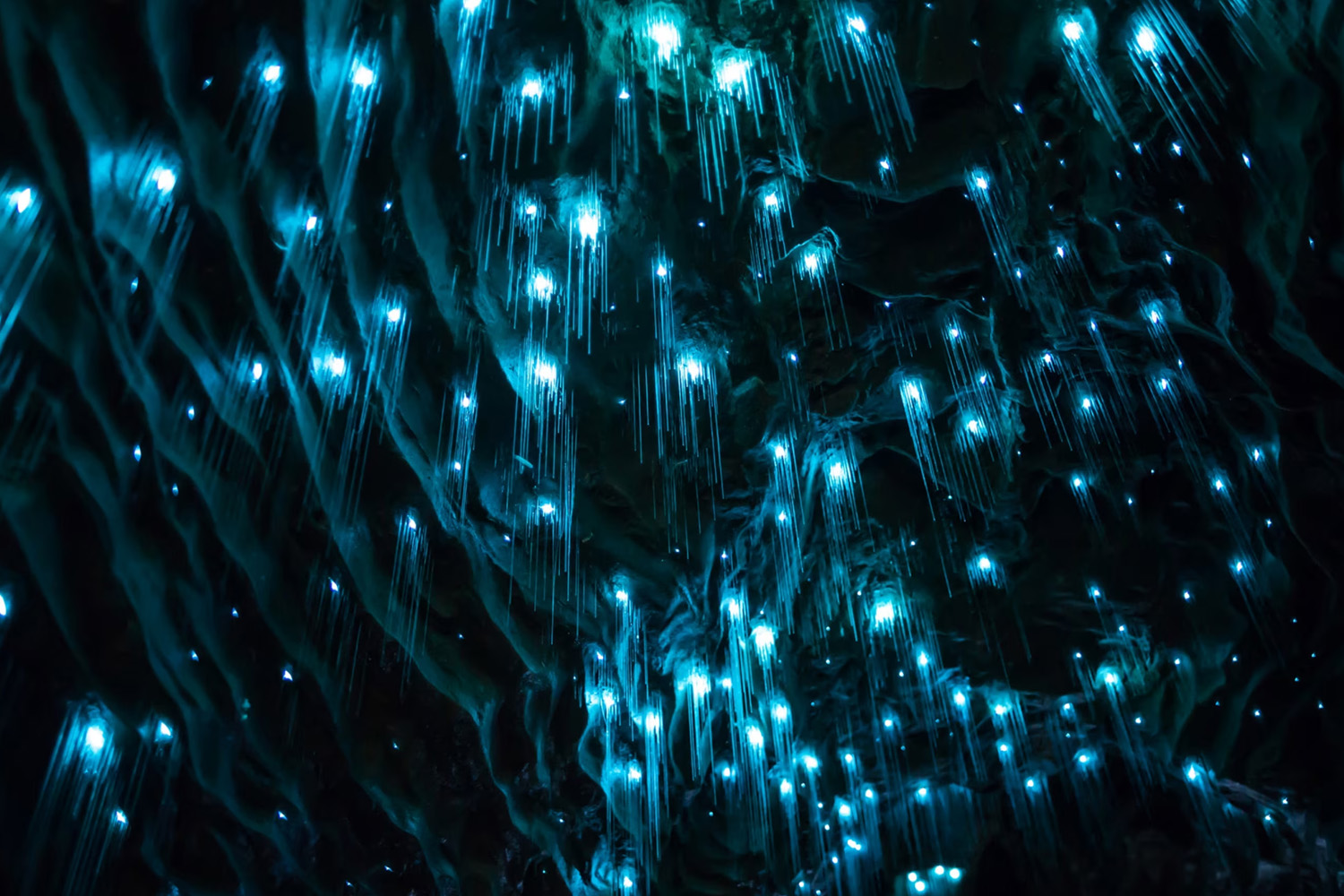
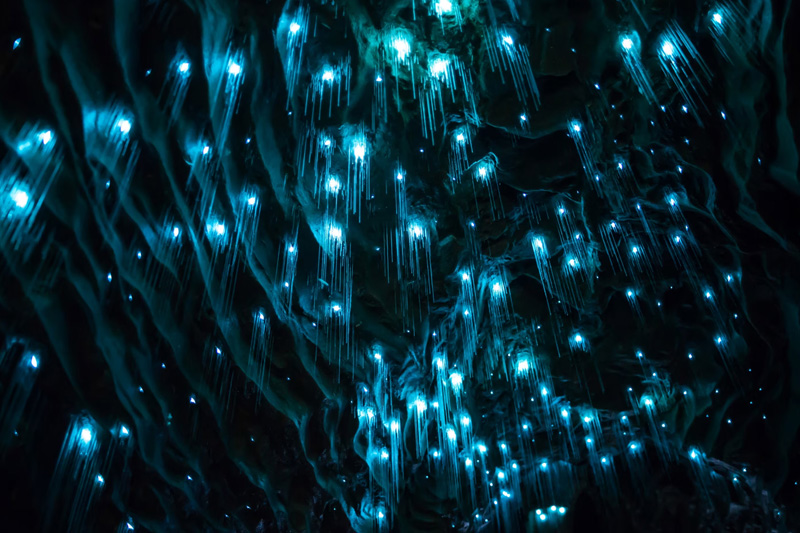
7. Glowworm Caves, New Zealand
Thousands of bioluminescent larvae illuminate cave ceilings, creating a star-like effect in complete darkness. The glow is a biological adaptation used to attract prey, producing one of the most otherworldly natural light displays on the planet.
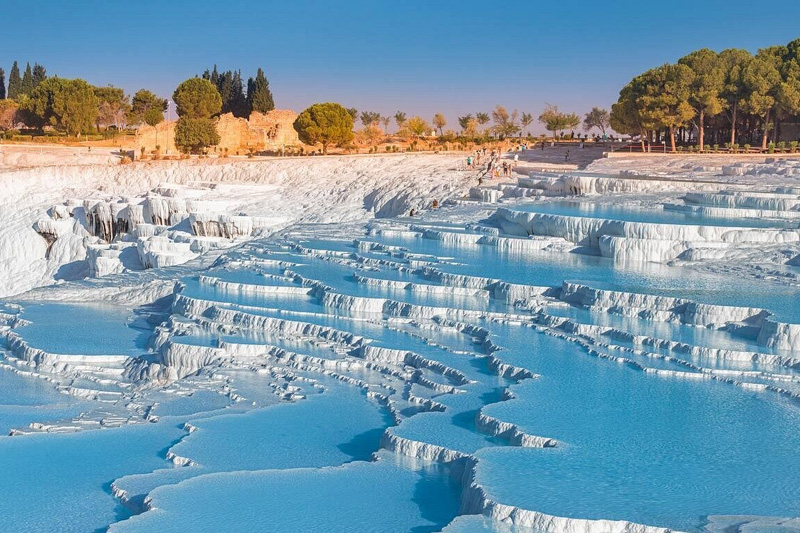
8. Pamukkale, Turkey
White terraced pools cascade down a hillside, formed by calcium-rich thermal waters depositing travertine. These formations have been used for bathing since ancient times and are recognized for both geological and historical significance.
9. Socotra Island, Yemen
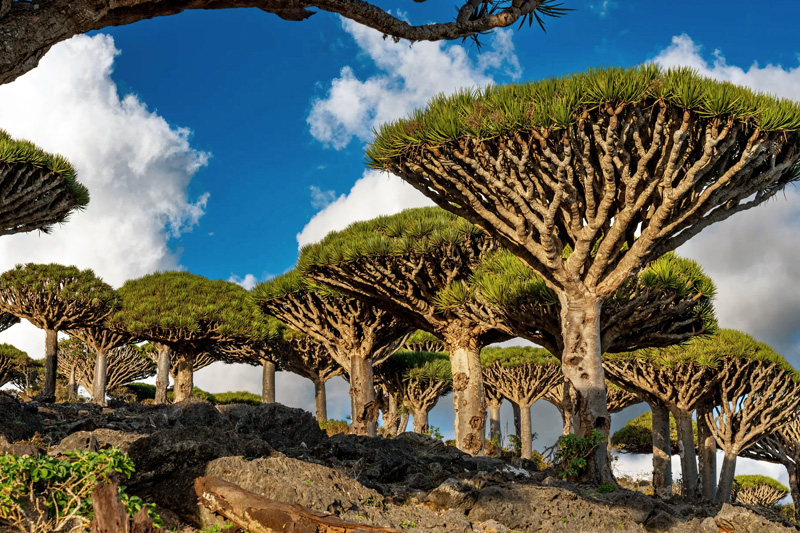
Often described as the most alien-looking place on Earth, Socotra Island is home to plant species found nowhere else. The iconic Dragon’s Blood Trees, with their umbrella-like shape and red resin, evolved in isolation due to the island’s long geographic separation from mainland Africa and Arabia. This extreme biodiversity is the result of millions of years of evolution in a harsh, dry climate, making the island look more like a science-fiction world than a real ecosystem.
10. Lake Hillier, Australia
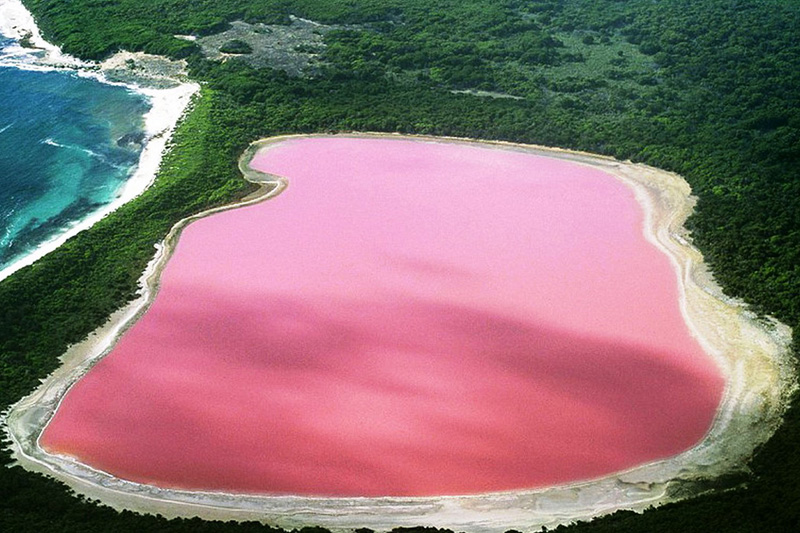
Located on Middle Island off the coast of Western Australia, Lake Hillier is famous for its vivid pink color, which remains even when water is removed from the lake. Scientific studies attribute the color to microorganisms such as Dunaliella salina algae and salt-loving bacteria that produce carotenoid pigments. The lake’s unusual appearance contrasts sharply with the surrounding blue ocean and green forest, creating a surreal, fantasy-like landscape.
Why These Places Look Unreal
These landscapes appear fantastical due to:
- Rare geological processes
- Extreme mineral compositions
- Unique climate conditions
- Long-term erosion or volcanic activity
- Biological phenomena like bioluminescence
What makes them remarkable is not mystery, but nature operating at its most extreme and creative limits.
The Takeaway
Fantasy-like landscapes are not confined to fiction. Across the globe, real places exist that rival the most imaginative worlds ever created. Their beauty is not only visual—it is a testament to Earth’s dynamic processes, shaped over immense timescales and still evolving today.
These locations remind us that reality can be just as extraordinary as imagination.