Fusion cuisine has become one of the most dynamic movements in modern gastronomy. Chefs around the world are blending ingredients, techniques, and traditions from different cultures to create dishes that feel both familiar and completely new. This approach is no longer a trend—it’s a global culinary language that continues to evolve and inspire.
What Fusion Cuisine Looks Like Today
From street food vendors to Michelin-starred restaurants, fusion cooking shows up in countless forms. Some of the most popular and influential examples include:
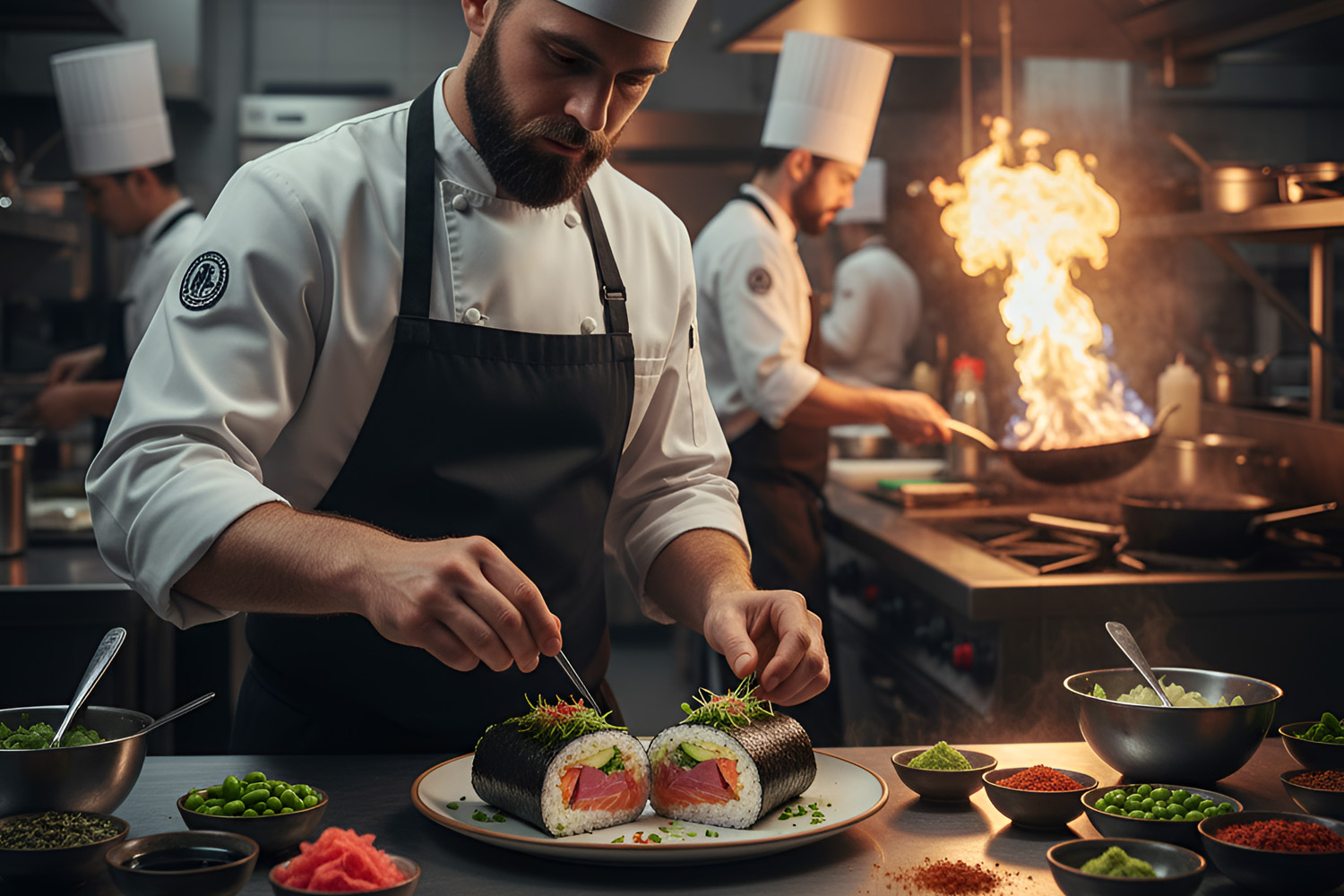
- Sushi Burrito (Japan + Mexico) – The structure of a burrito filled with sushi-style rice, fresh fish, and vegetables.
- Korean Tacos (Korea + Mexico) – A blend of marinated bulgogi beef, kimchi, and classic taco shells—now one of the biggest fusion street-food trends.
- Butter Chicken Pizza (India + Italy) – A combination where creamy Indian curry replaces tomato sauce for a rich, aromatic twist.
- Ramen Burgers (Japan + USA) – A burger where crispy ramen noodle “buns” replace traditional bread.
- Peruvian Nikkei Cuisine (Japan + Peru) – Dishes like tiradito: sashimi-style fish with Peruvian chili peppers and citrus.
These dishes show how cultural boundaries can blur to produce entirely new flavor experiences.
Culinary Achievements in Fusion Cooking
Fusion cuisine has shaped the modern dining scene in several meaningful ways:
- New flavor profiles: Combining spices, sauces, and cooking methods from different countries has created bold new taste combinations.
- Expanding global accessibility: Ingredients like gochujang, miso, sumac, and yuzu are now widely used thanks to fusion-driven popularity.
- Restaurant innovation: Many award-winning menus now rely on cross-cultural techniques as a foundation, not an exception.
Fusion cooking also encourages creativity—allowing chefs to honor traditions while pushing culinary boundaries.
Chefs Known for Fusion Mastery
Several internationally recognized chefs have become icons of fusion cuisine:
- Roy Choi – A pioneer of Korean-Mexican fusion, especially through his famous Kogi BBQ truck in Los Angeles.
- Nobu Matsuhisa – Founder of Nobu restaurants, globally known for Japanese-Peruvian Nikkei cuisine; his dishes like miso black cod are considered modern classics.
- David Chang – Founder of Momofuku, known for mixing Korean, American, and Japanese influences into bold, contemporary comfort food.
- Mashama Bailey – Noted for blending Southern American traditions with global techniques, advancing modern interpretations of regional cuisine.
- Peter Gilmore – An innovator in Australia’s fusion scene, merging Asian and Pacific flavors with contemporary fine-dining techniques.
These chefs have helped shape the direction of global gastronomy by showing that cultural blending isn’t just creative—it can be deeply respectful and innovative.
A Global Culinary Future
As cultures continue to connect more closely, fusion cuisine is expected to expand even further. The next generation of chefs is exploring new combinations, from African-Asian blends to Middle Eastern-Latin American dishes. With flavors crossing borders more than ever, the future of food promises exciting, unexpected, and delicious possibilities.