The global fashion and luxury industry faced a mixed performance in 2025, with some iconic brands reporting declines in sales and revenue while others delivered growth in specific segments. Challenges such as weakened consumer demand in key markets, currency fluctuations, and shifting shopping patterns combined with strategic changes across major groups have shaped the industry’s financial landscape. Below is a summary of verifiable and accurate results for famous fashion companies in 2025.
LVMH: Continued Revenue Pressures
LVMH Moët Hennessy Louis Vuitton — the world’s largest luxury conglomerate, home to fashion houses including Louis Vuitton, Dior, Fendi, and others — experienced moderate revenue declines in 2025 as global demand softened. In the first nine months of 2025, total revenue was reported at approximately €58 billion, down compared with the same period in the prior year, with the Fashion & Leather Goods division driving much of the slowdown amid softer sales of high-end bags and apparel. A 3–4 percent drop in quarterly sales was also reported in mid-2025, reflecting weaker consumption in regions such as China and Japan, while some segments like perfumes and cosmetics remained relatively stable.
Kering Group and Gucci Performance
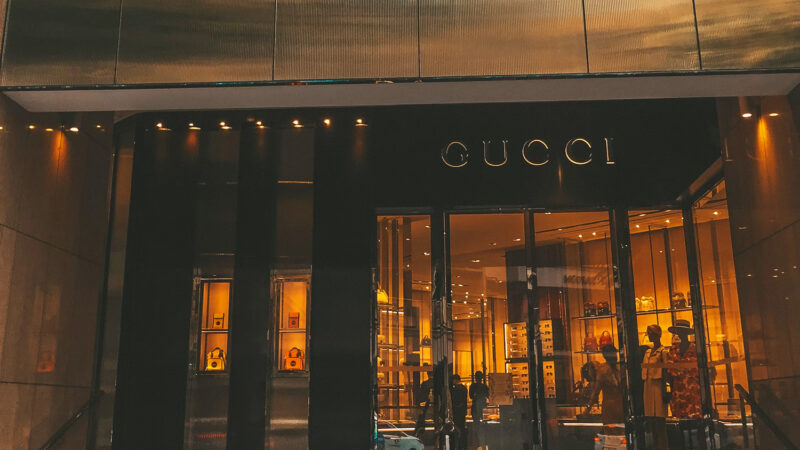
The French luxury group Kering, which owns brands including Gucci, Saint Laurent, Bottega Veneta and others, reported declines in revenue throughout 2025. Gucci — Kering’s largest brand — continued to struggle with sales, declining sharply in early quarters of 2025. For example, Gucci’s revenue fell about 25 percent in the first half of 2025, with similar trends in later quarters contributing to an overall drop in group revenue. Saint Laurent also saw sales decreases, though less severe, while Bottega Veneta maintained steadier performance with small gains in some periods.
Across the first nine months of 2025, Kering’s total revenue reached about €11.0 billion, representing a double-digit decline on both reported and comparable bases compared to prior years, highlighting the broader challenges facing the group.
Giorgio Armani
As a major independent luxury house, Giorgio Armani’s financials remain less public than listed groups, but available estimates and past data suggest annual revenues above €2 billion. Armani has navigated broader market weakness with steady lifestyle licensing revenues and maintained its global retail footprint.
DKNY and G-III Apparel Group
Brands such as DKNY — part of the publicly traded G-III Apparel Group — contributed to overall sales growth within their parent company. The group reported increased net sales of DKNY and related products in fiscal 2025, reflecting moderate demand in the mid-market fashion segment.
Burberry
Burberry saw improvement in performance and brand reputation in 2025, advancing in global rankings and reducing prior sales declines through strategic shifts, though retail sales remained below peak levels. The brand gained reputation and market momentum relative to peers like Chanel.
Chanel
In 2025, Chanel solidified its position as a dominant force in the global luxury fashion market, achieving strong brand value growth despite macroeconomic headwinds. The French fashion house saw notable shifts in rankings and performance indicators that reflect broader industry dynamics.
According to Brand Finance’s global rankings for 2025, Chanel’s brand value jumped dramatically — rising by about 40 %–45 % year-on-year to approximately $37.9 billion, overtaking Louis Vuitton to become the world’s most valuable apparel or fashion brand. This marked a significant shift in the luxury landscape and highlighted Chanel’s enduring appeal and strategic positioning.
Chanel’s increase in brand value was attributed in part to strategic global expansion, strong consumer loyalty, and investment in both heritage product lines and new creative leadership under Artistic Director Matthieu Blazy.
Brunello Cucinelli: A Bright Spot in Luxury Apparel
Amid industry headwinds, Brunello Cucinelli — the Italian luxury cashmere and ready-to-wear brand — stood out with notable growth in 2025. The company reported an 11.5 percent revenue increase for the full year, reaching about €1.41 billion, with strong performance in Asia, the Americas, and Europe. Retail sales expanded by nearly 13 percent as demand for high-end artisanal products continued, and the brand projected further growth into 2026 and beyond.
Richemont: Jewelry Driving Gains
Swiss luxury group Richemont, owner of prestigious names such as Cartier and Van Cleef & Arpels, was among the first major luxury companies to publish results toward the end of 2025. In its third quarter (Sept–Dec 2025), Richemont reported revenue of approximately €6.4 billion, an increase of about 4 percent year-on-year in reported currencies and about 11 percent on a constant currency basis, driven largely by strong demand for jewelry and watches. Richemont’s performance signaled resilience in segments tied to high-value accessories, even as broader apparel sales remained under pressure.
Broader Market Trends in 2025
Across the luxury fashion market in 2025:
- Several leading houses faced slowed revenue growth or declines as affluent consumers moderated spending, particularly in China and other key regions.
- Smaller luxury and ultra-high-end brands like Brunello Cucinelli outperformed larger conglomerates in relative terms, illustrating segment divergence within the industry.
- Retail closures and strategic repositioning — including store rationalization and leadership changes — reflected companies’ efforts to adapt to shifting demand and cost structures.
Meanwhile, the personal luxury goods market as a whole continues to represent a significant global segment, with forecasts before 2025 suggesting sustained long-term growth despite near-term volatility.