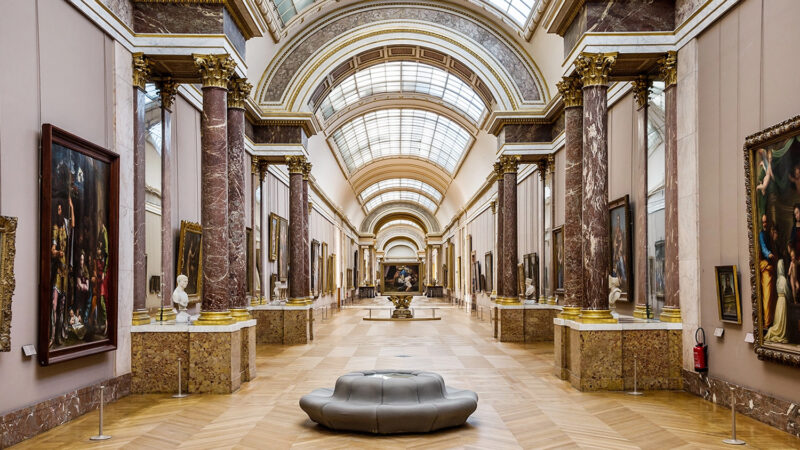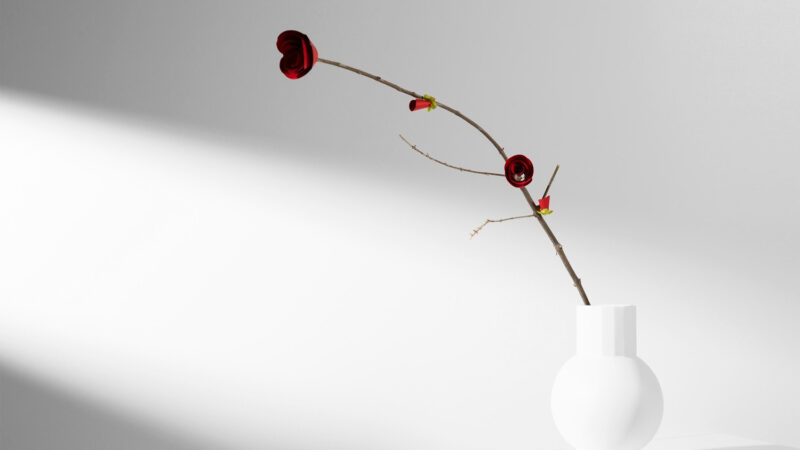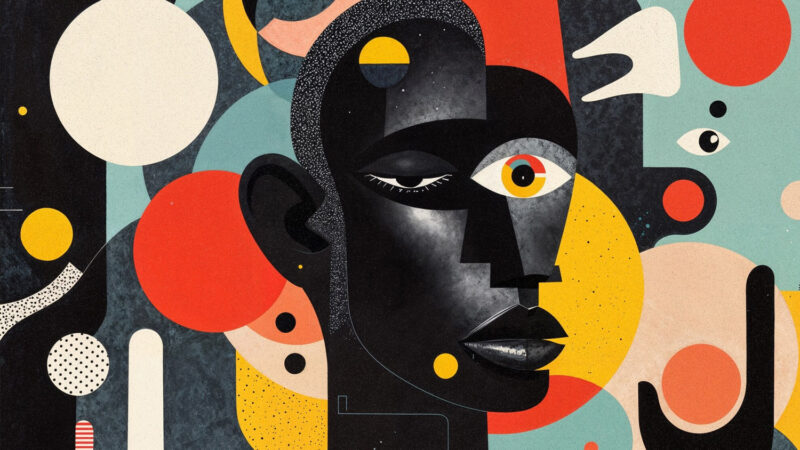
Color is one of the most powerful tools in design — it shapes perception, influences mood, and drives emotional connection. Whether in branding, interior design, art, or digital media, understanding how to use color theory effectively can transform a visual experience from ordinary to unforgettable.
Understanding Color Theory
Color theory is the foundation of how we perceive and combine colors. At its core is the color wheel, which organizes primary (red, blue, yellow), secondary (green, orange, purple), and tertiary colors. Designers use this system to create harmony, contrast, and balance in their work.
Color schemes such as complementary (opposite colors), analogous (adjacent colors), and triadic (three evenly spaced colors) help achieve different visual effects. For instance, complementary colors like blue and orange create strong contrast, while analogous hues such as green and teal evoke calm and cohesion.
The Psychology Behind Color
Every color triggers a psychological and emotional response, shaped by cultural context and personal experience. Here’s how some of the most common colors are perceived:
- Red: Energy, passion, urgency — often used in sales or food branding.
- Blue: Trust, calm, intelligence — a favorite among corporate and tech brands.
- Yellow: Optimism, creativity, warmth — commonly used to grab attention or evoke happiness.
- Green: Nature, growth, balance — ideal for eco-friendly or wellness brands.
- Purple: Luxury, mystery, spirituality — used to convey sophistication and creativity.
- Black: Power, elegance, modernity — dominant in luxury and minimalist design.
- White: Simplicity, purity, clarity — used to create space and focus.
A study by the Institute for Color Research found that people make subconscious judgments about a product within 90 seconds, and up to 90% of those judgments are based on color alone.
Color and Emotion in Design
Designers strategically use color to evoke emotion and guide audience response. For example, warm tones like red and orange stimulate energy and appetite, making them ideal for restaurants and entertainment brands. Cool tones like blue and green, on the other hand, promote calm and trust — perfect for healthcare, finance, and technology.
In film and photography, directors use color grading to mirror emotional states — think of the somber blues in The Matrix or the warm yellows of Amélie. In digital design, UI experts rely on accent colors to highlight actions, improving user experience and conversion rates.
Cultural and Contextual Influence
Color meanings are not universal. In Western cultures, white symbolizes purity, while in parts of Asia, it’s associated with mourning. Red may signify danger in one context and prosperity in another. Understanding these cultural nuances ensures that color choices resonate globally and respectfully.
Practical Tips for Designers
- Start with emotion, not color. Define the feeling you want your design to convey, then select colors that support it.
- Limit your palette. Too many colors can overwhelm the viewer — focus on a primary, secondary, and accent color.
- Use contrast wisely. High contrast grabs attention; low contrast creates harmony and sophistication.
- Test across devices. Digital colors can appear differently on screens — consistency is key.
- Draw inspiration from nature. The most harmonious palettes often come from the natural world.
Conclusion
Color is more than decoration — it’s a language. When used thoughtfully, it communicates mood, emotion, and meaning without words. Mastering color theory and understanding color psychology enables designers and artists to connect more deeply with their audiences, creating visuals that not only attract the eye but also move the heart.
In design, the right color doesn’t just make something beautiful — it makes it memorable.