The Art of Minimalism: How Less Became More in Design
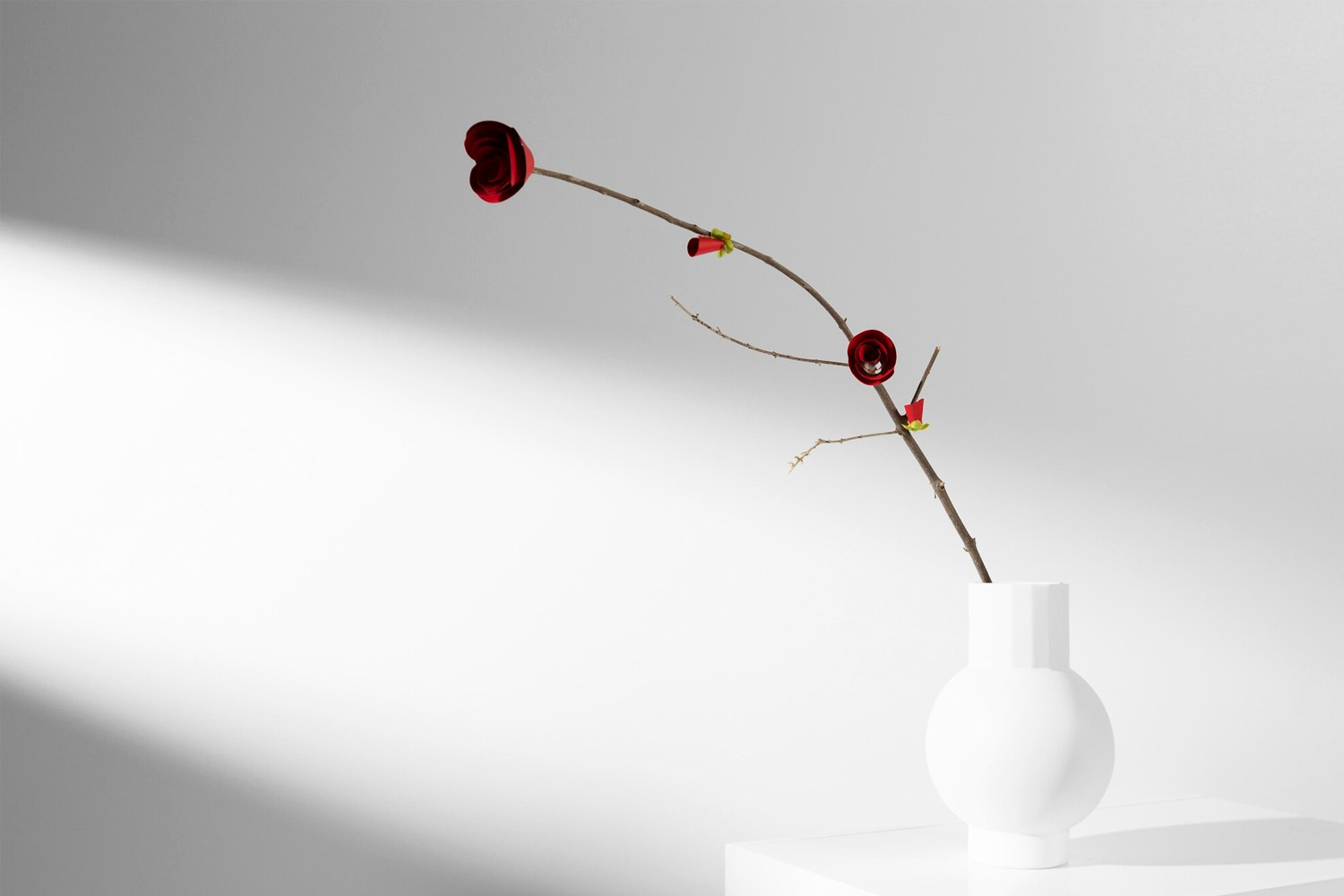
Minimalism is more than just an aesthetic—it’s a philosophy that has shaped modern design across disciplines. Built on the principle that “less is more,” minimalist design emphasizes simplicity, clarity, and functionality. Whether in architecture, interior spaces, or digital interfaces, the minimalist approach strips away excess to focus on what truly matters.
The Origins of Minimalism
The roots of minimalism can be traced back to early 20th-century movements such as Bauhaus and De Stijl, which promoted harmony between form and function. Influenced by Japanese Zen culture and post-World War II modernism, minimalism became a global design language that valued purpose, balance, and space.
Core Principles of Minimalist Design
Minimalist design is defined by several key principles:
- Simplicity: Every element serves a purpose, avoiding clutter or unnecessary decoration.
- Functionality: Design must prioritize usability and clarity over ornamentation.
- Clean Lines and Geometry: Straight lines, open spaces, and balanced proportions create a sense of order.
- Neutral Colors: Whites, grays, blacks, and natural tones enhance calmness and focus.
- Quality Over Quantity: Materials and craftsmanship take precedence over excess detail.
Minimalism in Architecture
In architecture, minimalism emphasizes light, open spaces, and natural materials. Architects like Ludwig Mies van der Rohe and Tadao Ando revolutionized design by using geometry, glass, and concrete to create spaces that feel serene and timeless. The result is architecture that encourages reflection and simplicity in daily life.
Minimalism in Interior Design
Minimalist interiors are characterized by clean layouts, muted colors, and multifunctional furniture. The absence of clutter allows for mental clarity and a stronger connection to the surrounding environment. Scandinavian design, for example, embodies minimalism by combining simplicity with comfort and warmth.
Minimalism in Graphic and Digital Design
In the digital era, minimalist principles have shaped everything from branding to user interfaces. Tech giants like Apple and Google embrace clean visuals, intuitive layouts, and whitespace to enhance usability. Minimalist design helps users focus on content without distraction—proving that clarity often outperforms complexity.
The Psychological Impact of Minimalism
Minimalism isn’t just about appearance—it influences how we feel. Studies suggest that simplified environments reduce stress and promote focus. By removing visual noise, minimalist design creates a sense of calm and order in both physical and digital spaces.
Final Thoughts
Minimalism has redefined modern aesthetics by proving that restraint can be powerful. Whether in buildings, products, or digital experiences, minimalist design reminds us that true beauty often lies in simplicity. In an age of constant stimulation, minimalism offers a refreshing return to clarity, purpose, and timeless elegance.