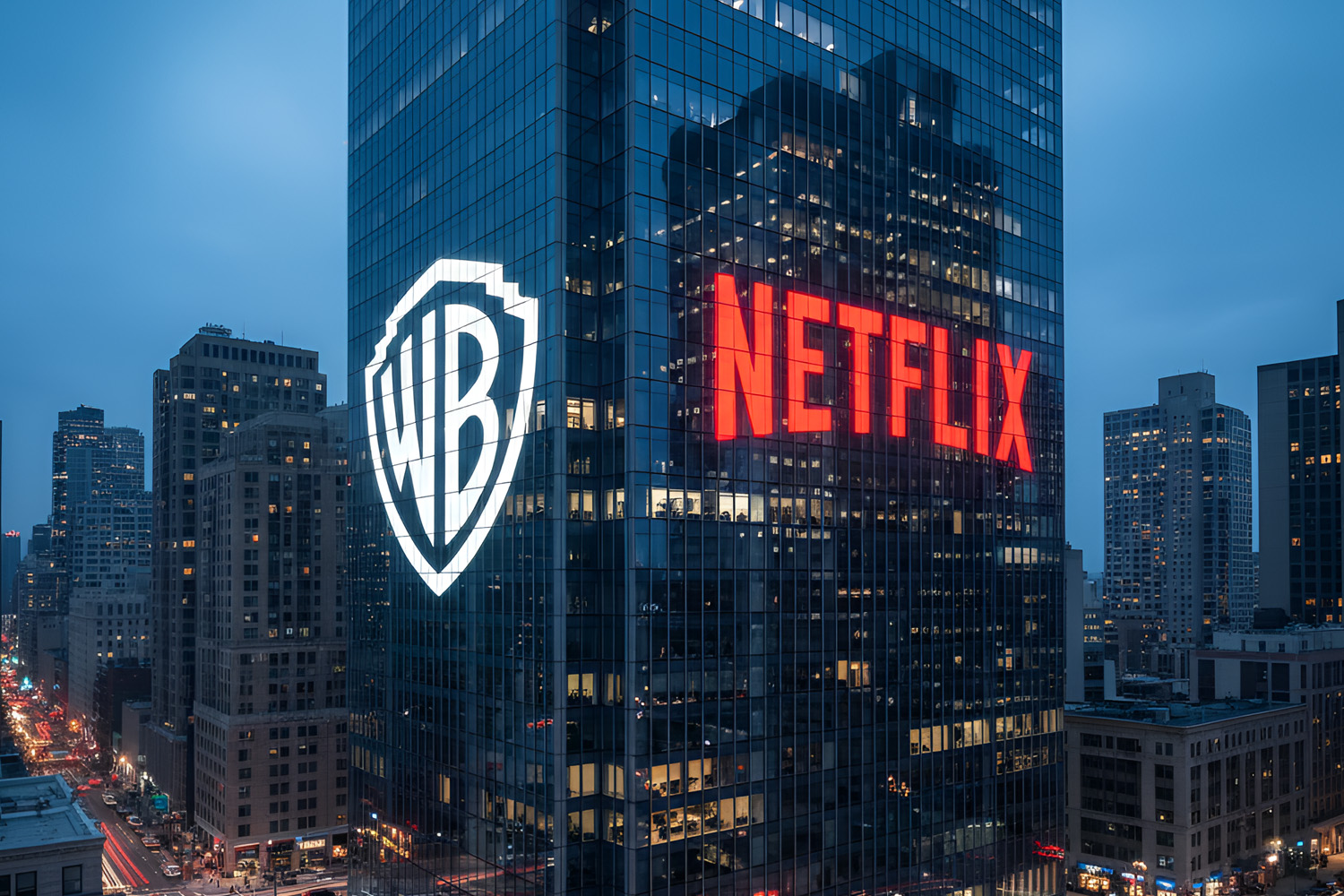
Warner Bros. Discovery has filed its definitive proxy statement and scheduled a special shareholder meeting for March 20, 2026, where investors will vote on a proposed $83 billion transaction involving Netflix. The move marks a significant procedural step in what could become one of the largest media consolidation deals in recent years.
The filing formally outlines the terms of the transaction and provides shareholders with detailed financial disclosures, strategic rationale, and governance implications. If approved, the deal would significantly reshape the global streaming and entertainment landscape, bringing together major content libraries, production capabilities, and distribution platforms under a new structure.
The proposed agreement comes at a time when the streaming industry is undergoing structural change. After years of rapid subscriber growth and aggressive content spending, platforms are facing tighter capital markets, rising production costs, and intensifying global competition. Consolidation has increasingly been viewed as a way to strengthen balance sheets, expand intellectual property portfolios, and improve long-term profitability.
Why It Matters
A combined Warner Bros. Discovery–Netflix entity would unite some of the world’s most recognizable film and television assets with the largest global subscription streaming platform. The potential scale of such a company could alter competitive dynamics across North America, Europe, and emerging markets.
Beyond content, the deal carries implications for advertising models, international licensing, theatrical releases, and direct-to-consumer distribution strategies. Regulators in key markets would likely examine the transaction closely due to its size and its potential impact on market competition.
For shareholders, the March 20 vote represents a decisive moment. Approval would advance the deal toward regulatory review and finalization. Rejection could force both companies to reassess strategic alternatives in an increasingly competitive media environment.
Trend Impact
The proposed $83 billion transaction reflects a broader trend of consolidation across technology, telecommunications, and entertainment sectors. As streaming matures from growth-at-all-costs to sustainable profitability, scale and diversified revenue streams are becoming central to corporate strategy.
If completed, the deal could accelerate further mergers and partnerships across the industry, as competitors respond to preserve market share. It would also signal that traditional media and digital streaming models are no longer operating in parallel — but are converging into integrated global entertainment ecosystems.
The March 2026 shareholder vote will therefore not only determine the future of two media giants, but may also mark a turning point in the next phase of global streaming competition.