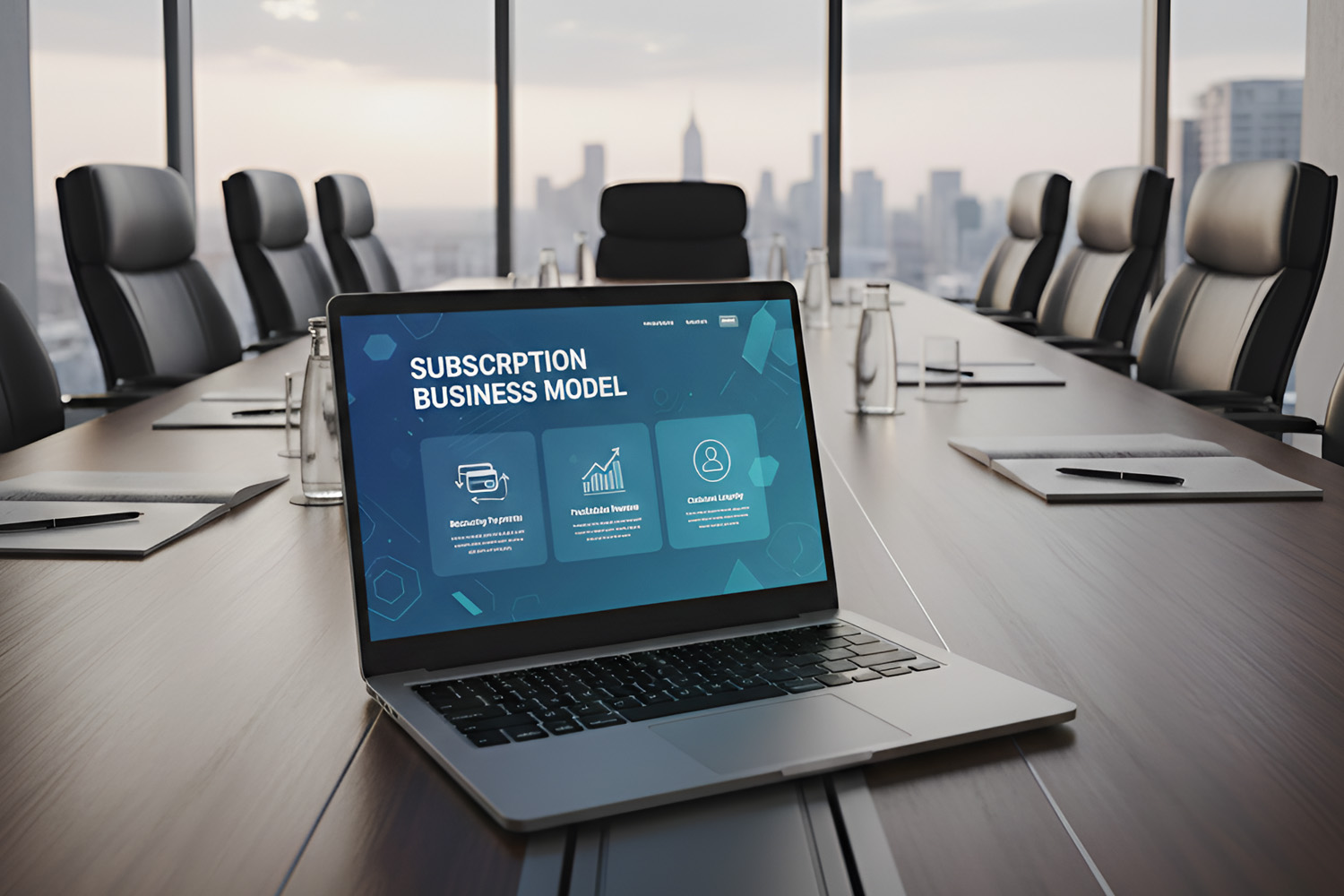
Across industries and markets worldwide, businesses are increasingly embracing subscription models — transforming traditional product sales into ongoing service relationships with customers. This shift, often described as the rise of the subscription economy, reflects a fundamental change in how value is delivered, consumed and monetized in the modern economy.
At its core, a subscription business model involves charging customers a recurring fee — monthly, annually or at other regular intervals — in exchange for continuous access to a product, service or combined offering. Rather than relying on one-off purchases, companies benefit from predictable revenue streams and deeper customer engagement, while consumers enjoy convenience, personalization and flexibility.
Why Companies Are Adopting Subscription Models
1. Predictable and Recurring Revenue
Subscription models provide businesses with more stable and forecastable income compared with traditional one-time sales. This reliability helps firms plan investments, manage cash flow and reduce financial volatility.
2. Stronger Customer Relationships and Loyalty
Because subscription businesses engage with customers over long periods, they can build deeper relationships and foster loyalty. Regular interactions and updates — whether through software upgrades or curated product deliveries — encourage subscribers to remain engaged and invested in the brand.
3. Enhanced Data Insights and Personalization
Subscription services generate rich data on usage patterns and preferences. Companies leverage these insights to refine offerings, tailor recommendations and improve user experiences — boosting satisfaction and retention.
4. Lower Customer Acquisition Costs and Scalability
Once customers subscribe, companies can focus on retention rather than constantly acquiring new buyers. This dynamic often reduces marketing spend and increases customer lifetime value, making the business more scalable over time.
5. Shift in Consumer Preferences
Modern consumers increasingly value access over ownership. From streaming media and software to vehicles and household goods, people prefer services that are convenient, flexible and regularly updated — without the burden of long-term ownership.
Subscription Models Across Industries
The subscription trend began in digital sectors such as media and software with companies like Netflix, Spotify, Microsoft 365 and Adobe Creative Cloud, which have built massive user bases on recurring fees.
Over time, it has spread to e-commerce subscription boxes, fitness and wellness platforms, automotive services and even hardware as a service offerings, where products like vehicles or tools are bundled with ongoing access, maintenance and upgrades.
This transformation — sometimes called servitization — blurs the line between products and services, positioning companies as continuous value providers rather than one-time sellers.
Balancing Growth and Customer Value
While the subscription model offers many advantages, it also presents challenges. Companies must continuously deliver value to justify recurring fees and avoid high customer churn. In some sectors, especially those delivering physical products on a subscription basis, high logistics costs and competitive pressure can make profitability difficult.
The Future of the Subscription Economy
Despite these challenges, the subscription economy continues to grow as businesses innovate new ways to meet consumer needs and create sustainable revenue streams. From software and entertainment to everyday products and mobility services, subscriptions are reshaping how companies—large and small — design offerings, engage customers and compete in the global marketplace.